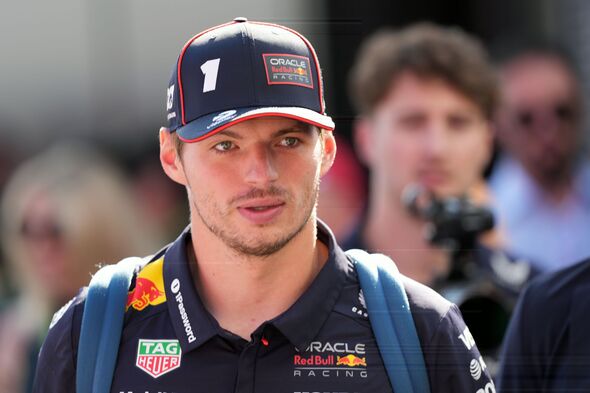
Four-time Formula 1 world champion Max Verstappen is reportedly exploring one of the boldest crossovers in motorsport history: owning a MotoGP team. The move, if realized, would cement the Dutch driver not only as a competitor at the pinnacle of F1 but also as an investor shaping the future of two-wheeled racing.
From Superfan to Potential Owner
Verstappen’s enthusiasm for MotoGP is well documented. He has been a regular presence in the paddock, openly follows the championship, and has previously spoken of his desire to test Marc Márquez’s bike. His deep connection to the sport makes team ownership a natural next step—a passion project evolving into a potential business venture.
According to reports, Verstappen, together with his inner circle and his father Jos Verstappen, has begun informal conversations with satellite teams, testing the waters for possible entry.
Why Satellite Teams Make Sense
Verstappen’s inquiries are said to focus on LCR Honda and Trackhouse Racing. Unlike factory-backed giants such as Ducati or Yamaha, satellite teams provide a more accessible entry point. They already possess infrastructure, relationships with manufacturers, and competitive machinery, but without the overwhelming overheads and politics of factory operations.
For Verstappen, this approach offers the chance to step into MotoGP at scale—serious enough to matter, but nimble enough to grow.
Resistance from Current Owners
While Verstappen’s interest is serious, both targets have made their positions clear: they are not for sale.
- LCR Honda: Founder Lucio Cecchinello reaffirmed the team’s independence and security, citing a new supply agreement with Honda that extends from 2027. Cecchinello highlighted his duty to “the 40 families” employed by the operation, making full or majority sale highly unlikely. He is, however, open to new sponsorships or minority investment.
- Trackhouse Racing: Run by Justin Marks, Trackhouse has transitioned from NASCAR to MotoGP with ambitious growth plans. Marks has no intention of stepping away; instead, he is doubling down on expanding Trackhouse as a long-term fixture in the MotoGP paddock.
Both teams also recognize the increased commercial upside of holding onto their stakes, especially with Liberty Media—the owner of Formula 1—now invested in MotoGP, bringing its marketing and global expansion expertise to the sport.
Why Verstappen’s Interest Matters
Even if the immediate prospects of a deal seem slim, Verstappen’s reported inquiries underline a new era in motorsport:
- Crossover ambition: Drivers, owners, and investors are increasingly blurring boundaries between disciplines.
- Commercial momentum: With Liberty Media at the helm, MotoGP is positioning itself for the same global growth trajectory F1 has enjoyed.
- Cultural signal: A current F1 world champion seeking a MotoGP stake amplifies MotoGP’s visibility to a broader audience and strengthens ties between the two series.
The 365247 View: Passion Projects as Business Strategy
At 365247, we see Verstappen’s MotoGP interest as part of a broader trend: athletes turning fandom into ownership. From LeBron James’ stake in Liverpool to Tom Brady’s investment in Birmingham City, sports stars are leveraging both passion and brand to shape industries beyond their playing careers.
For Verstappen, MotoGP represents both an authentic passion project and a hedge on the future of motorsport rights. The barriers to entry (ownership resistance, high valuations, limited slots) are significant—but his interest signals that the paddock may soon need to prepare for a new class of investor-owners.
Consulting Insight
For stakeholders in MotoGP—or sports properties facing similar crossovers—three strategic questions arise:
- How to price passion capital? When global icons like Verstappen want in, teams must balance valuation discipline with the branding and media lift such figures bring.
- What structures allow entry? If full sales are unlikely, teams should consider hybrid models: minority stakes, strategic partnerships, or co-branded content ventures.
- How to future-proof ownership? With Liberty Media expanding MotoGP’s reach, now is the moment to define long-term governance and commercial rules before celebrity ownership accelerates.
For Brands, Businesses and Services, feature in our ecosystem
IMAGE: Getty Images