Credit: The Athletic
Manchester United have borrowed a further £105 million ($142.3m) to fund their summer transfer activity, increasing their revolving credit facility to a new maximum of £350m ($474.4m) and extending repayment terms to December 2029.
The decision underlines both the club’s aggressive transfer strategy and its continued reliance on debt financing to support squad rebuilding.
Transfer Spending Breakdown
Under new manager Ruben Amorim, United made several high-profile acquisitions:
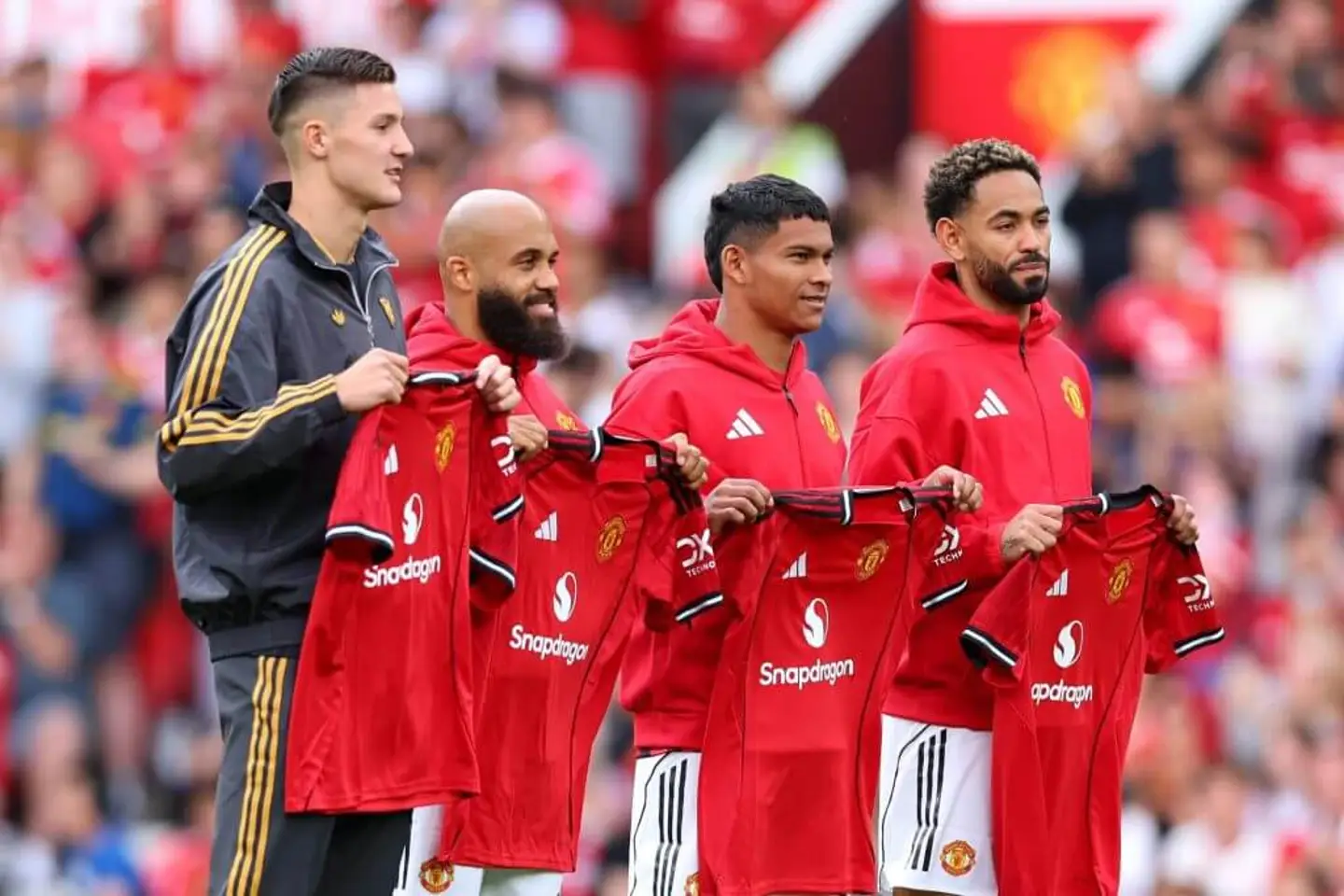
- Matheus Cunha and Bryan Mbeumo for a combined £127.5m ($172.8m).
- Benjamin Sesko from RB Leipzig for €76.5m (£66.2m, $89.7m).
- Goalkeeper Senne Lammens for €22m (£19.3m, $26.2m).
The club also considered Carlos Baleba but ultimately walked away due to Brighton’s demands.
In total, United’s gross spend for the summer window reached £239.2m ($324.2m), including agent fees and the Premier League’s transfer levy.
Offsetting this outlay were limited sales:
- Alejandro Garnacho and Antony generated £55.4m ($75.1m).
- Sell-on clauses for former players like Anthony Elanga and Alvaro Carreras added £20.3m ($27.5m).
The result: a net transfer spend of £163.5m ($221.6m).
Financing the Rebuild
To fund these moves, United leaned heavily on credit facilities — essentially corporate overdrafts used for day-to-day liquidity.
- On July 7, the club consolidated multiple facilities into a single revolving fund with an increased borrowing capacity of £350m.
- Between July and September, United drew down a total of £265m ($359.2m), including the additional £105m ($142.3m) now reported.
- Repayment deadlines were extended by two-and-a-half years, giving the club breathing room until December 2029.
As of June 30, United’s gross debt stood at £637m ($863.4m), with £160m ($216.9m) tied to revolving facilities. The latest drawdowns raise that figure significantly.
Strategic and Financial Context
United’s spending spree reflects both the ambition to return to the Premier League’s elite and the financial risks of chasing success. While revenues hit a record £666.5m ($901m) in 2024–25, the club also posted its sixth consecutive annual loss.
The reliance on debt is a continuation of a long-running model under the Glazer ownership, where investment in the playing squad is often underpinned by financial leverage rather than self-sustaining profit.
365247 Insight
Manchester United’s situation underscores a broader challenge in elite football: balancing sporting ambition with financial stability.
- Debt as a tool: Borrowing to invest in talent can create short-term competitiveness but risks long-term vulnerability if revenues dip or on-field success falters.
- Revenue vs. net spend: Even record commercial and matchday income cannot fully offset aggressive transfer activity without player sales.
- Structural reform: Sustainable growth will require more than credit — from squad value appreciation to maximising digital and global monetisation.
For Brands, Businesses and Services, feature in our posts
IMAGE: Getty Images