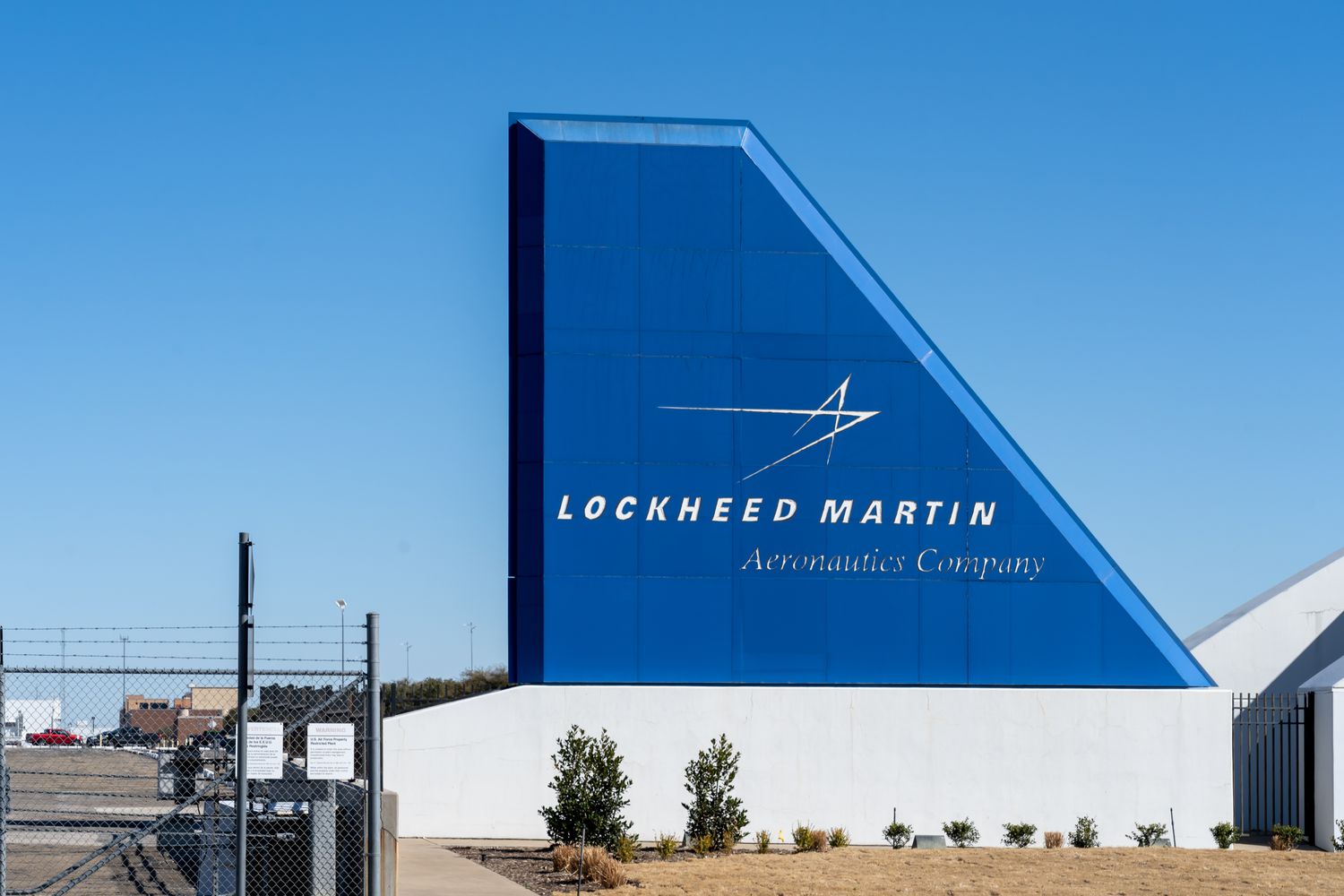
Lockheed Martin’s Q2 earnings report has sent ripples through defense and investment circles, with the U.S. aerospace and defense heavyweight announcing a staggering 80% drop in quarterly profits — a decline driven by a $1.6 billion pretax loss tied to a confidential program within its Aeronautics division.
This unforeseen blow led to an 8% dip in the company’s share price and forced Lockheed to lower its full-year 2025 operating profit forecast by $1.5 billion, now targeting $6.65 billion. The revision marks an 18% cut from prior guidance and reflects a broader recalibration underway inside the world’s largest defense contractor.
What’s Behind the Numbers?
The losses primarily stem from a combination of cost escalations and delivery complications related to highly sensitive classified programs, alongside setbacks in international contracts such as Canada’s CH-148 Cyclone helicopter procurement and Turkey’s utility helicopter initiative — the latter strained by ongoing U.S. sanctions.
While Lockheed has traditionally benefited from long-cycle contracts and strong government ties, it’s now wrestling with fixed-price agreements signed years ago — long before the inflation spike, post-pandemic labor shortages, and global component scarcities reshaped defense supply chains.
These financial pressures are emblematic of a larger challenge across the defense industry: managing increasingly complex geopolitical obligations while balancing procurement risks that were once viewed as routine.
More Than One Front
Adding to its list of concerns, Lockheed is currently disputing a proposed $4.6 billion tax bill with U.S. authorities. Executives have not ruled out litigation as a possible path to resolution.
On the operational side, there’s positive momentum in key programs. The company confirmed progress on its F-35 upgrades, with software deployment and hardware integration reportedly complete. In tandem, the Pentagon has approved the delivery of 72 previously held aircraft, signaling sustained confidence in Lockheed’s flagship fighter program.
Reading Between the Lines
Despite the headline-grabbing losses, Lockheed still managed to post an adjusted profit of $7.29 per share — outperforming analyst estimates, which stood at $6.44 per share. However, revenues fell short of expectations at $18.16 billion versus the projected $18.57 billion.
The story here isn’t just about a bad quarter. It’s about the shifting dynamics of the global defense ecosystem — where volatile geopolitics, sanctions, trade policies, and technological secrecy intersect. As the world’s conflicts grow more complex and governments rethink defense investments through a geopolitical lens, firms like Lockheed Martin are forced to evolve from engineering-driven giants into agile, risk-savvy multinationals.
At 365247 Media, we continue to track how legacy defense corporations are adapting — or struggling — in a world where cost certainty and confidentiality are no longer guaranteed.
IMAGE: Getty Images