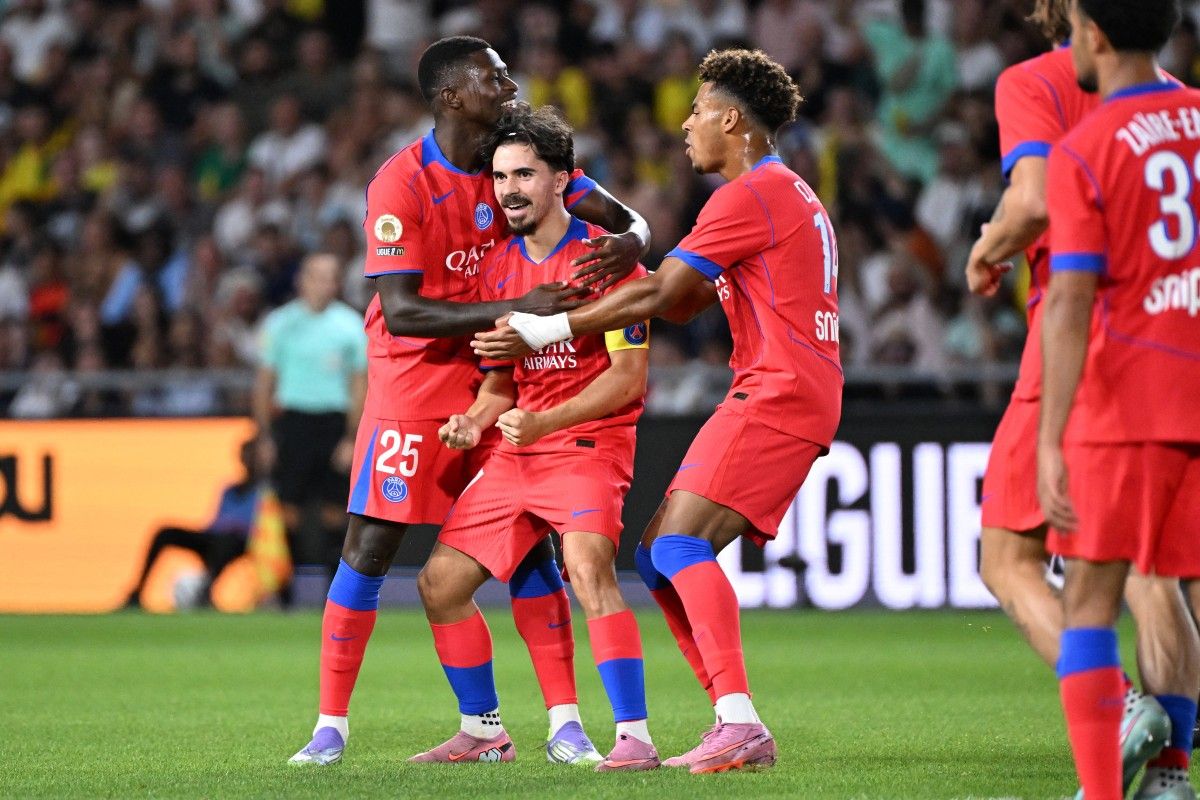
The 2025/26 season may well be defined less by what happens on the pitch and more by what unfolds off it. For the first time in Europe, a major domestic football league is taking the radical step of broadcasting most of its games through its own direct-to-consumer (DTC) streaming platform.
Enter Ligue 1+, the French Professional Football League’s (LFP) in-house media service, which will carry eight of nine matches per round, plus marquee events such as the Trophée des Champions and relegation playoffs. At €14.99 per month (with discounts for youth and mobile users), it’s priced far lower than previous media packages, aiming to rebuild fan trust and drive subscriptions at scale.
The move has been hailed as groundbreaking—but in reality, it reflects a league that ran out of options. Years of failed rights deals, most infamously the collapse of Mediapro’s overvalued contract, left Ligue 1 financially vulnerable. With broadcasters unwilling to pay premium rates and subscription partners underperforming, the LFP has bet its future on going it alone.
How Did Ligue 1 End Up Here?
The story traces back to 2018, when Mediapro’s ambitious €814 million-a-year rights bid collapsed under unrealistic subscriber expectations. By 2021, the fallout had devalued French football rights, alienated Canal+, and left clubs battling financial instability. Stopgap deals with DAZN and BeIN failed to restore momentum, and when DAZN withdrew early from its contract in 2024, the LFP had little choice but to deploy its contingency plan: fund its own platform.
The consequences have been stark. Clubs in France’s top divisions face combined projected losses of €1.2 billion this season, with broadcast income now dependent on Ligue 1+ subscriber numbers. Unlike traditional rights contracts, which deliver predictable revenues upfront, the DTC model is volatile—success or failure is tied directly to consumer uptake.
The Early Signals
Ligue 1+ launched with 600,000 subscribers in its first weekend—encouraging but still a long way from the millions needed to provide stability across French clubs. Early positives include:
- Lower pricing than past subscription services, making the product more accessible.
- Club-driven marketing and access, with players, coaches, and dressing rooms featured more prominently than under external broadcasters.
- Broader content strategy, including docuseries, magazine shows, and plans for esports and youth programming.
But challenges remain: piracy, consumer churn, and the absence of Canal+ as a distribution partner could all cap growth. And while PSG continues to dominate on the field, Ligue 1’s competitive appeal compared to the Premier League or La Liga is an ongoing concern.
Will It Work?
Ligue 1+ represents both opportunity and risk. On one hand, the LFP gains direct control over the fan experience, richer consumer data, and the ability to innovate with formats. On the other, the league shoulders full commercial and technical risk in a crowded streaming market.
The long-term success will hinge on three factors:
- Retention and scale—building beyond the launch surge and keeping fans engaged.
- Partnership leverage—reconciling with Canal+ or forging global distribution plays.
- Commercial diversification—using consumer data to enhance sponsorships, merchandising, and fan engagement beyond subscriptions.
If it succeeds, Ligue 1+ could become a template for second-tier leagues globally. If it fails, it may reinforce the idea that only the biggest leagues can afford to bypass broadcasters.
What Leagues and Brands Can Learn
For leagues:
- DTC is a survival tactic, not a growth guarantee. Unless you control global talent (like the Premier League), consumer adoption will be fragile.
- Data is the prize. Ownership of fan insights and viewing behaviors can drive sponsorship, ticketing, and merchandising strategies far beyond broadcast revenues.
- Content must be cultural. Beyond games, storytelling, docuseries, and youth-focused content are essential for retention and global appeal.
For brands:
- Leagues need marketing partners. The success of Ligue 1+ depends not just on pricing, but on perception. Aligning with such ventures allows brands to position themselves as enablers of innovation and fan access.
- Activation is multi-channel. Brands shouldn’t just appear as sponsors—they should integrate into the content ecosystem with campaigns, fan experiences, and digital storytelling.
At 365247 Consultancy, we help leagues, clubs, and brands navigate the rapidly shifting sports media economy. From evaluating DTC viability to designing fan-first digital ecosystems and sponsorship strategies, we turn disruption into competitive advantage.
If your organization is considering a DTC play—or partnering with one—connect with us to build a strategy that balances innovation with sustainability. Let’s talk
Partner With Us
Want to feature your brand, business, or service on 365247 — Whether you’re looking to sponsor, collaborate, or build presence within our ecosystem, we’d love to explore it with you.
Submit your interest here
IMAGE: AFP