Kraft Heinz is reportedly evaluating the spin-off of a major portion of its grocery portfolio—including several iconic Kraft-branded products—into a separate publicly traded entity that could carry a standalone valuation of up to $20 billion. This potential restructuring reflects growing pressures on legacy consumer packaged goods (CPG) companies to adapt to shifting consumer behavior and unlock greater shareholder value.
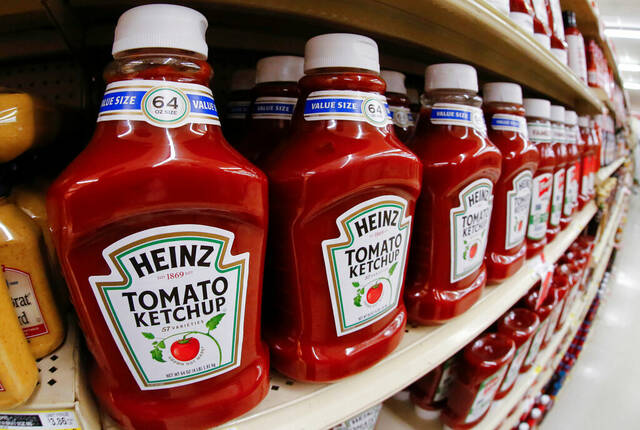
While the structure of the deal is still under review and no final decision has been made, the move would align Kraft Heinz with a broader industry trend: slimming down portfolios to focus on higher-margin, category-leading products. In this scenario, Kraft Heinz would retain ownership of core assets like Heinz ketchup and Grey Poupon mustard, potentially creating a sharper, more brand-focused operating model.
The development comes on the heels of WK Kellogg’s $3.1 billion sale to Italy’s Ferrero, another example of legacy food companies responding to margin compression, inflation, and evolving consumer preferences. Kraft Heinz’s current market cap stands at approximately $31.3 billion, meaning the potential spin-off could represent a significant reshaping of the company’s capital structure.
Kraft Heinz was formed in 2015 through a merger orchestrated by Berkshire Hathaway and 3G Capital, combining Kraft Foods with H.J. Heinz. While the deal initially promised operational synergies, the long-term performance has been rocky—exacerbated by macroeconomic pressures and a wider consumer shift toward fresh, natural, and less processed foods.
In recent months, Kraft Heinz has faced:
- Sluggish consumer demand across legacy lunch and pantry categories
- A strategic decision to halt the U.S. launch of products containing artificial coloring
- Downward revisions of its annual forecasts following a disappointing Q1 earnings report
If completed, the spin-off would likely mirror the structure of Kellogg’s 2023 move to separate its cereal business, which had been in long-term volumetric decline.
The CPG Playbook Is Being Rewritten
What does this mean for brands, investors, and dealmakers?
Kraft Heinz’s potential spin-off signals a wider transformation playbook taking hold in the CPG sector. As consumer habits shift rapidly, even historic brands must reimagine their operating models. In this case:
- Divestitures and spin-offs allow companies to concentrate on faster-growing or more profitable segments
- Investors may favor the transparency and simplicity of a streamlined, focused brand portfolio
- M&A activity in the grocery and pantry category is likely to accelerate as challengers, startups, and PE firms look to acquire legacy assets at value
IMAGE: AP