Credit to original reporting by The Athletic
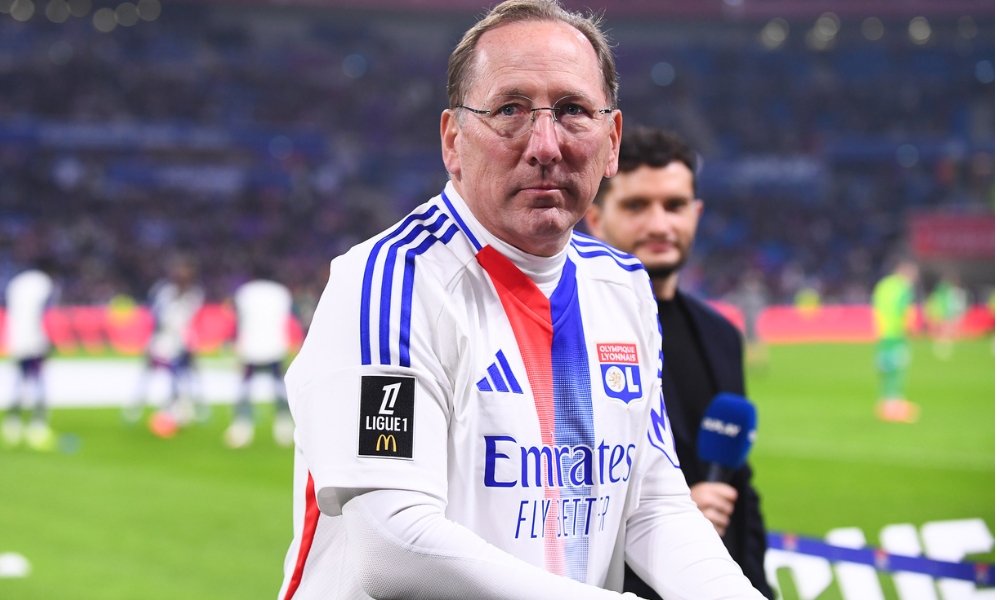
John Textor’s global football ambitions remain undeterred despite a whirlwind of recent exits, legal battles, and shifting club ownership stakes. From stepping away from Lyon and putting his Florida mansion up for sale, to offloading his Crystal Palace shares, the optics may suggest a retreat. But that couldn’t be further from the truth.
In reality, Textor is doubling down.
The man who once positioned himself as football’s tech-driven cowboy isn’t leaving the saloon—he’s building a new one. A recalibrated empire is forming around two of his most prized assets: Brazil’s Botafogo and Belgium’s RWDM Brussels. His plan? Buy them outright from Eagle Football Group, rehouse them in a Cayman Islands-registered entity, and bring them to the public market in New York. The big sell: a portfolio where football meets cutting-edge biometric ticketing technology via his Facebank company.
Textor’s model remains a blend of innovation, disruption, and relentless optimism. But the road is anything but smooth.
A Transatlantic Legal Shootout
The most recent flashpoint is a high-stakes legal dispute with Iconic Sports, a group of U.S. investors who funded part of his 2022 acquisition of Lyon. Textor is suing Iconic and its principals, James Dinan and Alexander Knaster, for alleged securities fraud and misrepresentation tied to a put option they executed last year. The dispute has turned transcontinental—Iconic filed its case in London, while Textor responded with counterclaims in Florida.
Iconic, meanwhile, argues that it had every right to activate the put option and is now demanding nearly $94 million, effectively calling for Textor’s shares in Eagle Football to be transferred. Textor’s legal maneuver to block the claim in Florida has already been dismissed, with the court reaffirming that any such matters must be settled in England, Eagle’s jurisdiction of incorporation.
Crisis at Lyon and Mounting Investor Pressure
Amid the legal fog, the financial health of Olympique Lyonnais—Eagle Football’s flagship club—remains under scrutiny. The club’s most recent accounts paint a grim picture, with heavy losses sustained despite selling top players and assets, including the women’s team and its arena. With French football’s domestic broadcast deal in turmoil, future cash flow looks anything but certain.
Ares Management, the heavyweight U.S. investor that loaned $425 million to Eagle to complete the Lyon purchase, is still owed a significant portion of that sum. Reports indicate that proceeds from the Crystal Palace sale have been redirected to reduce this debt, but an estimated $300 million liability remains unresolved.
The New Play: Football + Tech, IPO Style
Unfazed, Textor is crafting his next act.
His strategy: extract Botafogo and RWDM Brussels from the Eagle structure, merge them with Facebank’s biometric turnstile tech, and bundle the new ecosystem for a public listing in New York. He hopes to capture the zeitgeist of modern sport—where media, data, fan access, and biometrics converge.
To complete the new-look portfolio, he’s also actively exploring the acquisition of another English club, ideally mid-tier but with high potential, such as QPR, Watford, or Southampton. The aim? Build a credible, tech-integrated multi-club football group that feels more like a next-gen platform than a traditional sports holding company.
Textor is also reportedly open to merging this new Eagle entity with other multi-club ownership groups. Talks—or at least ideas—have surfaced around Evangelos Marinakis, the Greek shipping magnate who owns Olympiacos and Nottingham Forest. Whether Marinakis is aligned with this ambition remains to be seen, as Forest insiders reportedly heard of the plan through media speculation.
A Risky Road with Grand Ambitions
Textor is not a passive investor. His model is built on scale, transformation, and rapid reinvention—often at odds with legacy football culture. But he has consistently shown two things: a willingness to absorb losses in pursuit of a longer-term goal, and a tenacity to fight legal and financial battles head-on.
His story is emblematic of where football is headed: global, investor-led, technology-infused, and increasingly intertwined with capital markets. But while the likes of RedBird, City Football Group, and 777 Partners pursue coordinated expansion, Textor’s route is more chaotic—equal parts visionary and volatile.
One thing’s certain: John Textor isn’t riding off into the sunset. He’s still very much in the saddle, chasing his vision of a digital-first, publicly-traded football future.
Original reporting inspiration: The Athletic
Partner With Us
Want to feature your brand, business, or service on 365247 — Whether you’re looking to sponsor, collaborate, or build presence within our ecosystem, we’d love to explore it with you.
Submit Your Interest Here
IMAGE: Getty Images