Credit: The Athletic (Phil Buckingham)
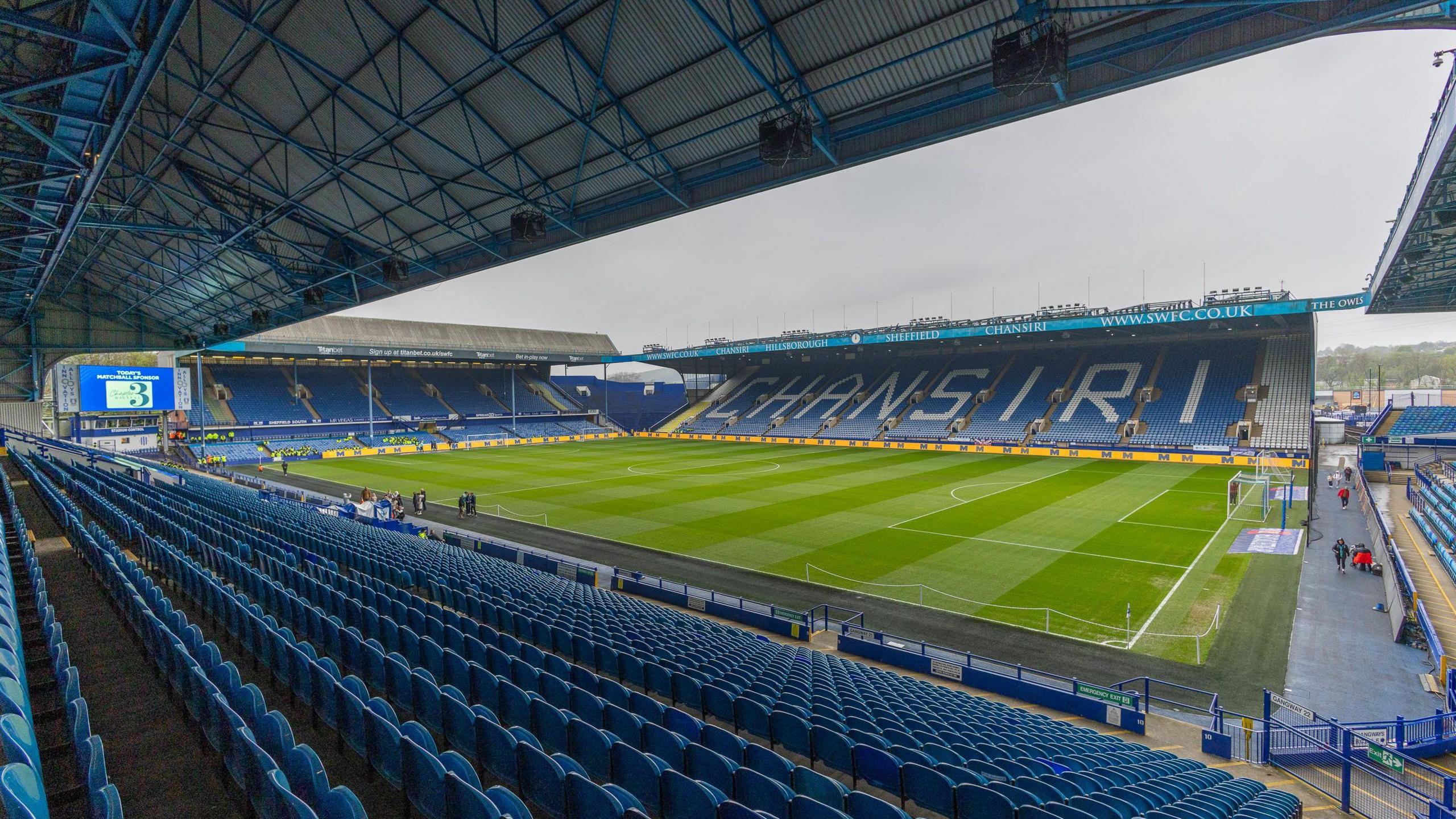
It has been nine weeks since Sheffield Wednesday last played a home game. But around Hillsborough, the message is loud and unmistakable: “Chansiri out”. The graffiti-laden hoardings and worn banners are symbols of a club in decline—once hopeful, now shackled by mismanagement.
A Legacy Fraying at the Seams
In the early 1990s, Wednesday enjoyed consistent success: competing in top-flight football and gracing Wembley finals. Fast-forward 25 years, and the club resembles a ship beset by leaks. Under the ownership of Dejphon Chansiri—whose family controls the Thai Union Group—much of the optimism has drained away. The family’s wealth once funded push after push toward the Premier League. But investment has dried up, optimism has faded, and now only instability remains.
Wage Crises and Transfer Embargoes
June and July ushered in a perfect storm. First-team players went without pay, triggering a transfer embargo for unpaid wages. Tax debts also led to a second embargo for unpaid HMRC obligations. The Professional Footballers’ Association labeled the situation “unacceptable.” Staff eventually received late payments—some up to 12 days overdue—but only after interim emergency disbursements. Many questions remain unanswered regarding the club’s cash flow.
Pre-Season Preparedness Missing in Action
Pre-season traditionally kicks off in late June or early July. This year, the squad showed up to empty pitches with no fixture list, no confirmed friendlies, and no head coach on site. Danny Rohl, who led Wednesday to a mid-table finish last season, hasn’t returned—his contract expired June 30. Support staff contracts have also lapsed, and despite a new Championship campaign looming, there is no apparent plan or structure in place.
Ownership Drama and Blocked Progress
Chansiri has stated publicly that he’s open to selling. A group led by businessman Adam Shaw and U.S. investor John Flanagan reportedly offered £40 million—along with commitments for future Premier League funding—but was rebuffed. Chansiri’s insistence on maximizing value and control remains a major barrier. Fans remain largely excluded from any meaningful dialogue, with the Supporters Trust calling for transparency and systemic change.
Micro-Management to the Point of Paralysis
Former insiders describe Chansiri as a micromanager who personally approves even the smallest expenses. Without a board or executive leadership since 2019 (post-Katrien Meire’s departure), Chansiri alone governs major decisions via messaging app Line. This hands-on style once fueled early ambition but now acts as a chokehold on operations and innovation.
A Cycle of Hope, Debt, and Miscalculated Risk
With an estimated £167 million invested since 2015, the club has borrowed heavily from Chansiri himself. Initial spending reignited hopes in 2016–17, but both seasons ended with narrow play-off losses. When rules on profitability forced a reckoning, the ill-fated sale of Hillsborough to a Chansiri-owned entity led to a six-point deduction and eventual relegation to League One in 2020. A temporary return in 2023 brought a bounce—but not stability.
Managers Come—and Go
Since promotion in 2023, Wednesday have cycled through four managers: Darren Moore left shortly after securing promotion; Xisco Munoz lasted just 10 games; Danny Rohl brought renewed hope only to see it unravel. A fresh appointment—Chansiri’s tenth—seems imminent, though the timing signals desperation rather than strategy.
Infrastructure vs Instability
Middlewood Road training ground saw significant investment this summer—but ironically, it became part of the disruption. The facility was under renovation even as the team was meant to return, forcing a temporary relocation to St George’s Park. Tactical and physical preparation has been replaced by logistical juggling.
Debt Looms Large, Hope Dwindles
Chansiri’s recent statement accepted responsibility yet pleaded for patience—and sale readiness. Despite the debt owed, no credible buyer has surfaced. His family’s wealth is extensive, but Wednesday’s own books paint a bleaker picture: administration looms if revenue doesn’t improve. The EFL has pledged help, but until ownership changes hands, fans and employees remain in limbo.
What This Means for Stakeholders
- Fans: Risk losing connection with the club they supported for generations. The current trajectory threatens community trust and emotional investment.
- Players & Staff: Continued wage delays and organizational chaos make it difficult to attract and retain talent—on and off the pitch.
- League Standing: Transfer bans and instability could push Wednesday into a relegation fight—or worse, crisis of solvency.
The situation at Hillsborough is emblematic of deeper governance failure—a cautionary tale with three key takeaways:
| Issue | Recommendation |
|---|---|
| Ownership & Governance | Establish an operational board with independent oversight and transparent governance. |
| Financial Stability | Secure immediate bridge financing and begin contingency planning for potential buyers. |
| Stakeholder Relations | Open structured dialogue with fans, implement regular updates, and engage community in future decision-making. |
Clubs universally can learn from Wednesday’s predicament: budgeting discipline alone isn’t enough. Long-term health demands clear leadership, accountability, and stakeholder alignment.
Join the 365247 Community here.
Image: Rex Features