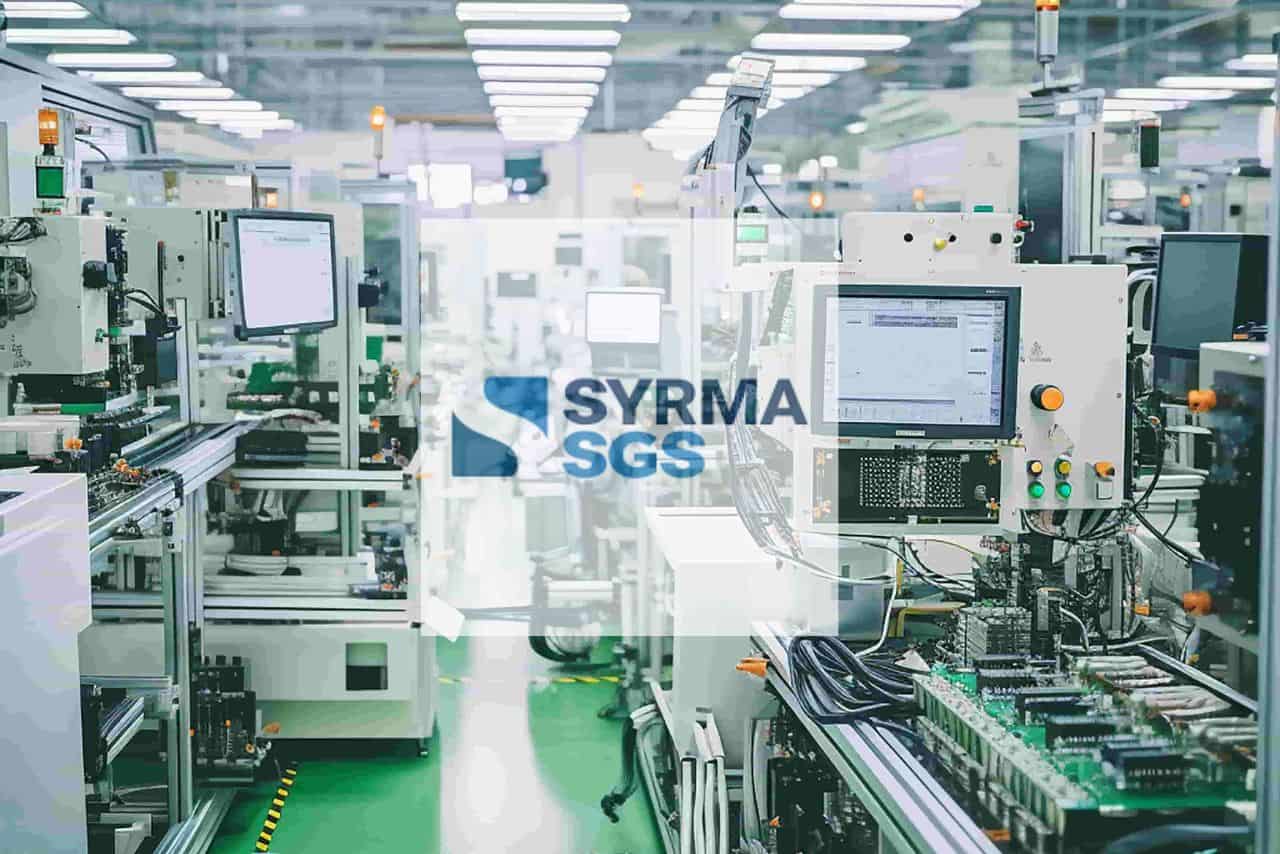
n a defining moment for India’s ambition to become self-reliant in high-value electronics manufacturing, Syrma SGS Technology is set to construct the nation’s largest multi-layer PCB (Printed Circuit Board) and CCL (Copper Clad Laminate) production facility in Naidupeta, Andhra Pradesh. The Chennai-headquartered company will invest approximately ₹1,800 crore into the development of the plant, in strategic partnership with South Korea’s Shinhyup Electronics Ltd, which will offer technical and market support.
This move signals not just another manufacturing expansion—but a fundamental shift in India’s electronics value chain architecture. If approved by the Andhra Pradesh cabinet, this facility could serve as a foundational pillar for India’s ambition to become a global electronics manufacturing hub, complementing the country’s ongoing Production-Linked Incentive (PLI) schemes and anti-dumping safeguards to bolster local output.
Why This Facility Matters
PCBs and their base component, CCL, are core to nearly every electronic device—from consumer gadgets and medical tech to automotive systems and electric vehicles. Syrma SGS’s Naidupeta facility is expected to directly serve high-growth verticals such as:
- Smart metering systems
- Healthcare and diagnostic equipment
- Next-generation automotive electronics
- Electric mobility and energy storage devices
Its commissioning—targeted between 2026 and 2027—will coincide with an inflection point in India’s clean tech and industrial electronics curve.
The facility is not a standalone industrial play. It includes a dedicated R&D centre focused on next-gen engineering solutions. According to sources, the project may ultimately add up to ₹6,200 crore to Syrma SGS’s topline, marking it as a high-yield strategic investment with multi-sectoral impact.
Andhra Pradesh’s Role in the Electronics Pivot
Tirupati district’s Naidupeta has emerged as a promising industrial node, thanks to infrastructural readiness and proximity to Chennai’s mature electronics ecosystem. Syrma SGS has reportedly applied for state incentives under Andhra Pradesh’s Electronics Manufacturing Policy and Industrial Policy 4.0. This includes capital subsidies, power tariff exemptions, and skill development support.
This facility also aligns with broader central policies such as the ₹22,919 crore Electronics Components Manufacturing Scheme and the imposition of a 30% anti-dumping duty on bare PCBs to protect and promote domestic capacity.
Strategic Industry Insight: Why This Investment Matters
From a consultancy lens, this announcement is more than just about one company scaling up—it’s about vertical integration and value chain sovereignty.
Here’s what this means for the Indian electronics landscape:
- Import substitution at scale: Currently, India relies heavily on imports for PCBs, especially multi-layer and high-spec variants. This facility addresses a critical gap.
- Forward integration opportunities: With CCL being produced in-house, Syrma SGS is securing its supply chain—a move that enhances both cost efficiency and quality control.
- Synergies with EV and smart tech sectors: As automotive and consumer electronics evolve toward digital-first, connected ecosystems, PCB innovation becomes mission-critical.
- Global competitiveness through partnerships: Shinhyup’s involvement ensures best-in-class tech know-how, accelerating India’s climb up the global electronics value chain.
Market Outlook: South India Leads the Charge
According to market intelligence firm UnivDatos, the Indian PCB market was valued at $6.24 billion in 2024 and is expected to grow at a robust CAGR of 16.4% between 2025 and 2033. This expansion is underpinned by rising demand in:
- Consumer electronics
- Electric vehicles
- IoT and smart devices
- Industrial automation
The southern corridor—comprising Bengaluru, Chennai, and Hyderabad—remains the nerve centre of this growth, thanks to an ecosystem of OEMs, EMS providers, and semiconductor firms.
For OEMs, investors, and policymakers, this announcement offers a roadmap to where India’s electronics manufacturing future is headed:
- State governments must continue offering location-specific incentives to attract high-tech manufacturing.
- Private investors should look beyond assembly to upstream integration in components like CCL and PCBs.
- Tech collaborators and VCs can explore R&D linkages, especially in embedded systems and IoT.
Final Word
Syrma SGS’s investment is not just a milestone for the company—it’s a signal of India’s maturing capabilities in electronics hardware. As PCB and CCL manufacturing become indigenous, expect cascading effects across EVs, medtech, aerospace, and smart infrastructure.
This is the kind of high-impact, high-tech industrial investment that India needs more of—rooted in partnerships, powered by policy, and driven by long-term market confidence.