India’s ambition to become a global hub for advanced technology industries is driving a quiet but critical transformation within its chemical sector. A new wave of investment and innovation is underway, with domestic chemical companies aligning themselves with the needs of the semiconductor ecosystem — a sector that is strategically central to the country’s technological future.
The Critical Role of Chemicals in Chipmaking
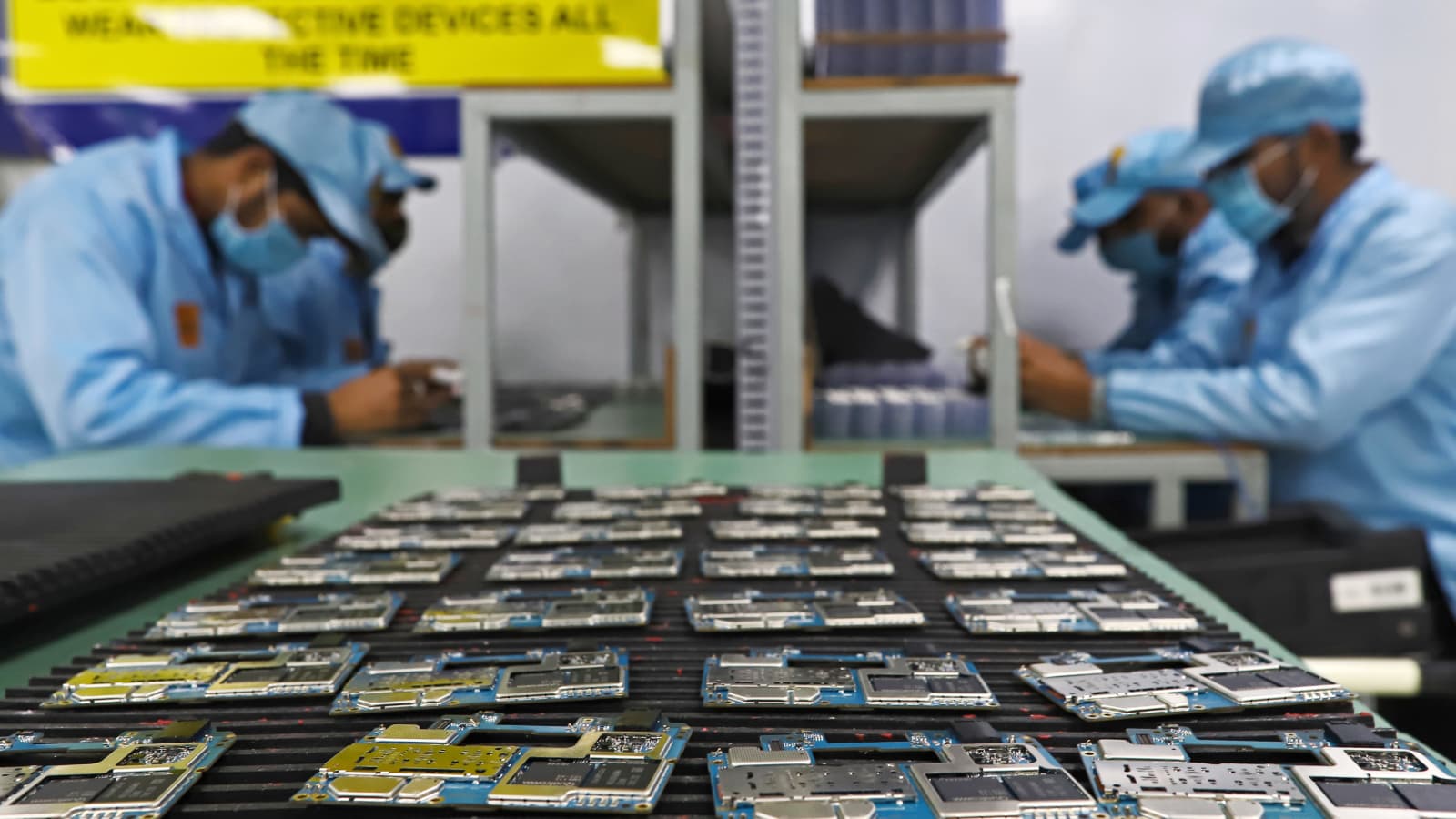
The semiconductor manufacturing process relies heavily on ultra-high-purity chemicals, used in wafer fabrication steps such as etching and cleaning. Precision at the atomic level demands stringent material standards — without them, chip production cannot achieve the quality and reliability required for global competitiveness.
Historically, India has depended on imports, largely from Japan and the U.S., for these specialty materials. This reliance created both cost pressures and supply-chain vulnerabilities. Now, however, Indian chemical manufacturers are investing in semiconductor-grade production capabilities, aiming to reduce import dependency and strengthen local resilience.
Domestic Players Stepping Up
Leading firms are beginning to carve out their place in the semiconductor value chain:
- Tata Chemicals has been expanding its capacity for high-purity chemicals, with a focus on etching and cleaning processes essential for semiconductor fabrication.
- Deepak Nitrite, a major specialty chemical producer, is advancing in the supply of critical materials required to maintain the precision standards of wafer production.
These moves are not just incremental adjustments but represent strategic shifts toward becoming foundational contributors to India’s semiconductor supply infrastructure.
Beyond Chemicals: Building a Self-Sustaining Ecosystem
The timing of these efforts is significant. India is currently scaling up its semiconductor infrastructure, from fabrication plants (fabs) to Assembly, Testing, Marking, and Packaging (ATMP) and Outsourced Semiconductor Assembly and Test (OSAT) facilities. The parallel development of a dependable domestic chemical supply chain ensures that the ecosystem matures in a holistic, integrated manner.
This alignment reflects a broader national strategy: to embed self-reliance into the semiconductor sector while still remaining globally competitive. By doing so, India not only reduces its vulnerability to global supply shocks but also positions itself as a viable partner in the international semiconductor value chain.
Strategic Implications
The chemical industry’s shift into semiconductor-grade production represents more than a business opportunity. It is a nation-building exercise, with long-term implications for technology sovereignty, trade balance, and industrial competitiveness.
For India, the emergence of domestic champions in this space marks another step toward its vision of becoming not just a participant but a leader in the global semiconductor race.
Partner With Us
Want to feature your brand, business, or service on 365247 — Whether you’re looking to sponsor, collaborate, or build presence within our ecosystem, we’d love to explore it with you.
Submit your interest here
IMAGE: Getty Images