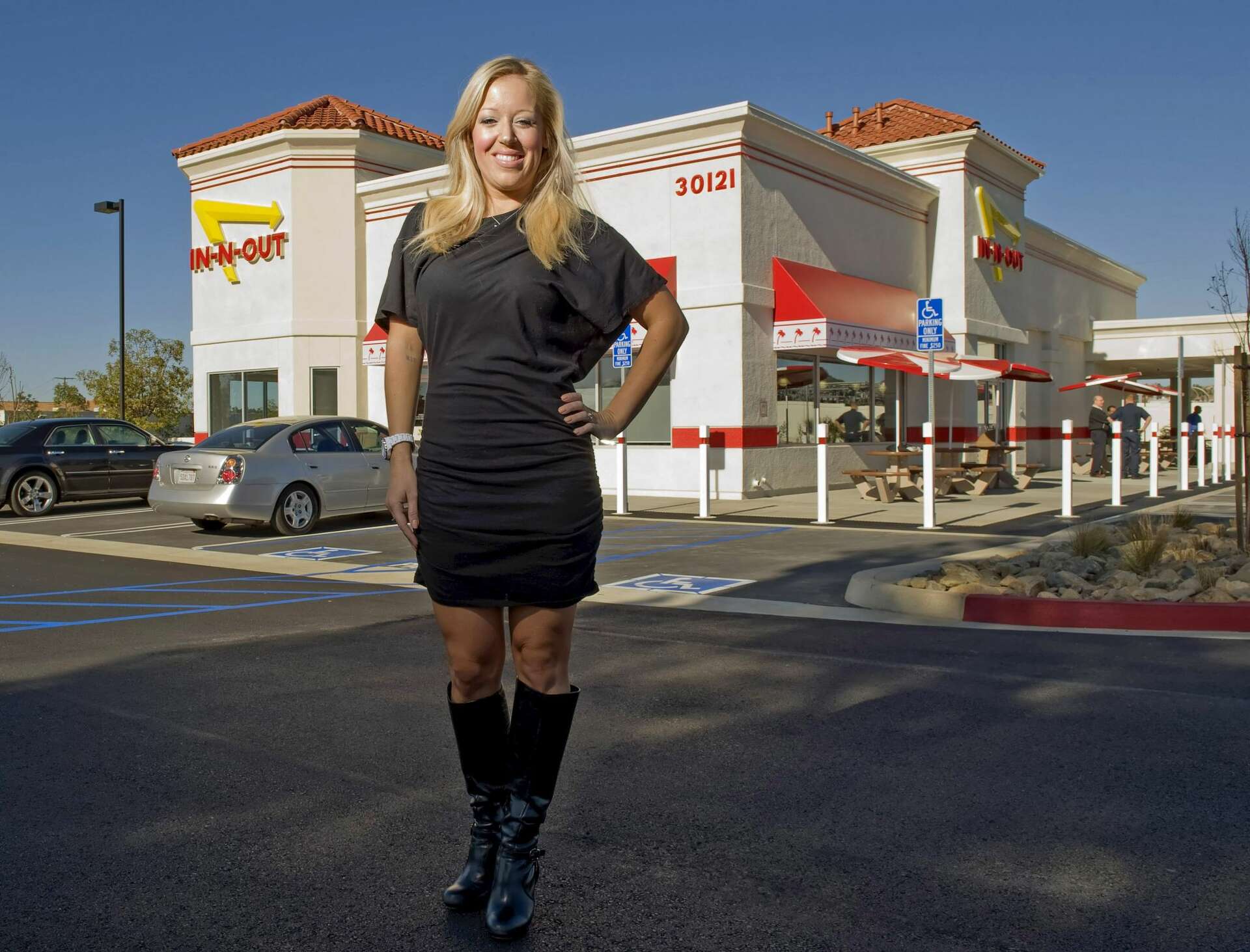
In-N-Out Burger — one of the most iconic fast-food brands tied to California’s cultural identity — is making a bold move. Not just in footprint, but in leadership. CEO and owner Lynsi Snyder, the granddaughter of the chain’s founder, is relocating to Tennessee as the brand expands across the southern U.S.
The company will maintain its headquarters in California, but it’s also opening a corporate hub in Tennessee. The move is more than geographic — it’s symbolic of a broader trend reshaping America’s business landscape.
Why the Move Matters
Snyder’s decision isn’t just about proximity to new stores. It reflects growing unease among business leaders with California’s regulatory complexity, high taxes, and soaring cost of living. Her public comments underscore this: raising a family and running a business in California, she noted, has become increasingly challenging.
She now joins a growing list of high-profile business leaders — from Elon Musk to the boards of Chevron and Charles Schwab — who have either shifted operations or personally relocated out of the Golden State in search of what they call a more “business-friendly” environment.
But In-N-Out isn’t just another brand chasing tax breaks. This is a company whose ethos is deeply tied to California’s post-war suburban sprawl, car culture, and clean-living image. So what does this mean for its identity?
The Brand Risk (and Opportunity)
California isn’t just a location for In-N-Out — it’s been a brand pillar. The palm-tree cross signage, the minimalist menu, the suburban strip-mall nostalgia — all built on a foundation of West Coast cool. The challenge now is maintaining that identity while entering regions with different cultural, political, and culinary landscapes.
Tennessee offers economic upside, sure. But how does In-N-Out maintain its authenticity while adapting to a new regional character? The answer may lie in what In-N-Out doesn’t change: its strict supply chain, privately held ownership, employee-first policies, and commitment to its core menu.
The Bigger Business Story
This move also reflects a deeper national shift: the realignment of business influence and innovation away from traditional coastal hubs toward rising Southern and Central states. With lower operating costs and looser regulatory environments, states like Texas and Tennessee are now hosting satellite offices, tech campuses, and corporate HQs at a rapid pace.
For Tennessee Governor Bill Lee, welcoming a brand like In-N-Out is more than a headline — it’s validation that the state is open for premium business. In his words, “We both knew the chain would thrive in the Volunteer State.”
What Comes Next?
With over 400 locations across eight states, In-N-Out’s expansion is still selective and strategic. Tennessee isn’t just a new market — it’s a proving ground. If the move works, it could open doors to a broader presence across the Southeast.
But the real test will be whether In-N-Out can export not just burgers, but brand culture — and do it without dilution.
As the company settles into its new dual-coastal reality, one thing is clear: the debate over where great American brands belong — and where they thrive — is far from over.
IMAGE: Getty Images