CREDIT: The Athletic
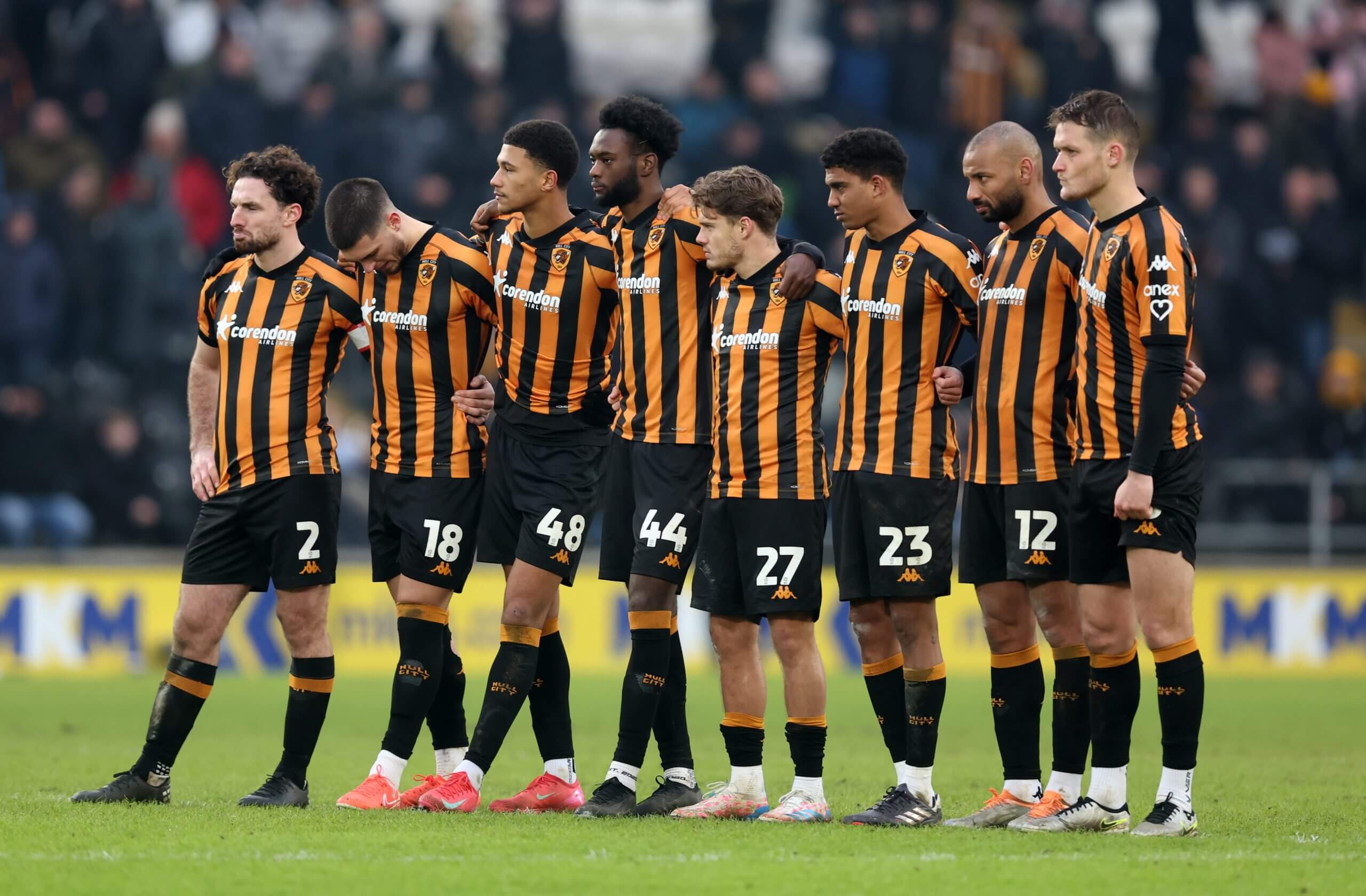
As Hull City gears up for the 2024-25 season, owner Acun Ilicali finds himself under intense scrutiny. What started as a passionate push for Premier League promotion has now evolved into a cautionary tale of ambition, financial risk, and regulatory friction. From promising fan engagement to multiple transfer embargoes, Hull City’s current chapter reflects both the evolving pressures of Championship football and the cost of aggressive investment strategies.
A Public Promise, a Private Strain
On June 30, hours after announcing new head coach Sergej Jakirovic, Ilicali faced fans at a Q&A session, reiterating his commitment and financial health: “It is not like we have financial problems.”
Yet within days, the EFL imposed a transfer embargo after Hull failed to meet a £1 million transfer obligation to Aston Villa. The club’s appeal highlighted a supposed misunderstanding, but the reality was more complex. Financial records showed nearly £22 million in outstanding player commitments, and a further £3 million owed to former owner Ehab Allam.
A Pattern of Overextension
Under Ilicali’s ownership, Hull’s spending has ballooned. The wage bill jumped from £8.6 million in 2021-22 to £27.4 million last season, far exceeding their 2023-24 revenues of £21.4 million. Transfers for players like Belloumi, Matazo, Hughes, and Kamara further strained the budget.
Some suppliers and partner clubs have faced delayed payments. Most notably, Hull has repeatedly requested alterations to transfer payment timelines to improve short-term cash flow.
The EFL Responds
A botched loan deal for Louie Barry triggered the initial embargo, followed by another over unpaid dues to Manchester City for Finley Burns. Though both were eventually resolved, they exposed the club’s fragile cash flow.
More seriously, the EFL has imposed a registration ban until January 2027, preventing Hull from spending on transfers or loans. Though they intend to appeal, success is uncertain.
Leadership Changes and Operational Turnover
Hull’s internal stability has also been affected. Trusted lieutenants like Vice Chairman Tan Kesler and head of strategy Beri Pardo have exited. Perhaps most significantly, Merthan Acil — once described by Ilicali as a key architect of Hull’s vision — parted ways with the club after being named in a corruption case in Turkey.
What’s at Stake
Despite the setbacks, Hull is not without its assets. A loyal fanbase, a globally visible owner, and an ongoing Sky Sports documentary offer commercial upside. However, poor squad performance (only 44 goals scored last season) and instability in management (three coaches in 12 months) signal a critical moment.
The club is now open to investment or even a full sale, though £60 million in debt owed to Acun Medya may complicate proceedings.
What Can Clubs Learn from Hull City?
At 365247, we view Hull City’s situation as a stark reminder of four critical truths for mid-tier football clubs:
- Debt-Driven Growth Needs Guardrails: Investing in talent is essential, but deferred payments and wage inflation can spiral without risk buffers.
- PR Can Never Replace Governance: Fan-facing generosity (e.g., free holidays or away-day travel) must be matched by internal operational discipline.
- Football Strategy = Talent + Timing: Overhauling squads yearly without a clear playing philosophy leads to tactical incoherence and wasted capital.
- Administrative Resilience Is Underrated: A single missed payment can spark regulatory disaster. Clubs must treat finance departments with the same respect as talent scouts.
Call to Action
Are you a football club owner, investor, or executive navigating the tricky terrain between ambition and accountability?
365247 Consultancy specializes in club restructuring, financial strategy, and operational transformation tailored to high-stakes environments like the EFL. Let’s talk.
Let’s build a smarter, sustainable path to success.
IMAGE: Getty Images
CREDIT: The Athletic