In January, Polish club Pogon Szczecin was on the brink of collapse.
Players were unpaid, vendors were walking away, and the club’s license to compete was at risk. It looked like another European football story destined to end in administration. Instead, it became a case study in decisive ownership intervention.
The 48-Hour Rescue
Within two days, Tan Kesler and Alex Haditaghi engineered a financial lifeline that turned crisis into opportunity. Their immediate steps included:
- Covering three months of unpaid wages to stabilise the dressing room.
- Convincing contractors and vendors to return.
- Injecting €10–11 million directly as equity rather than loans — a rarity in modern football takeovers.
This decision was critical. By providing equity, they wiped out debt and created a clean foundation for growth, rather than burdening the club with further financial liabilities.
Why Pogon Szczecin?
The rescue wasn’t just about sentiment — it was a calculated bet on untapped potential:
- A €250 million new stadium project, anchoring Pogon in long-term infrastructure.
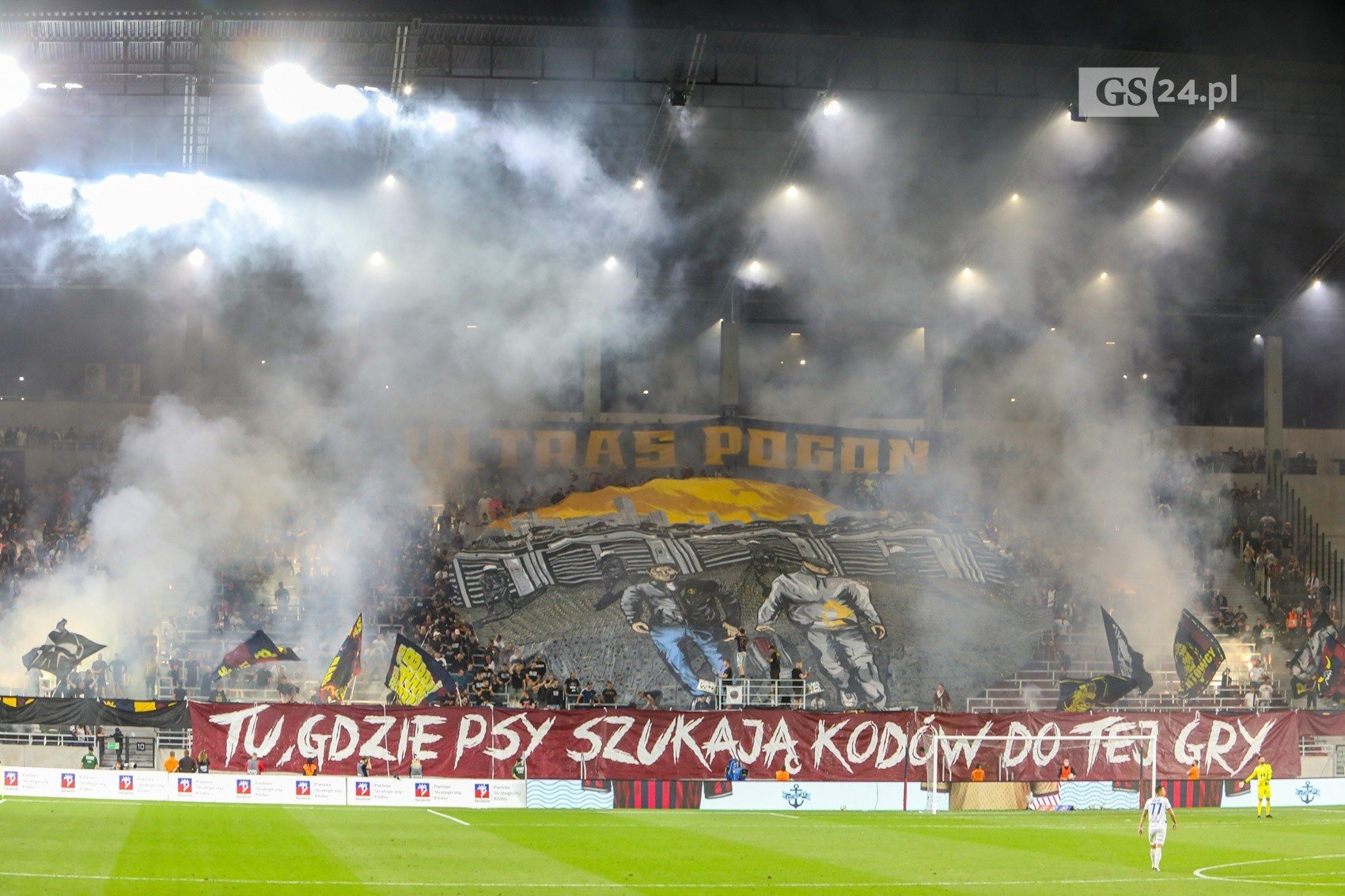
- A loyal fan base with deep community roots.
- An academy of 1,400 youth players, providing both sporting identity and future transfer value.
- Undervalued commercial opportunities, offering room for revenue growth in sponsorship and matchday activation.
These fundamentals made Pogon not only worth saving but worth transforming.
From Survival to Strategy
Today, Pogon Szczecin is no longer in survival mode. Under its new ownership, the club is working towards a 10-year plan focused on:
- Achieving financial stability through sustainable operations.
- Expanding and professionalising its academy system.
- Maximising revenue from stadium, fan engagement, and commercial deals.
- Building a squad capable of contending for domestic honours.
What once looked like a looming collapse has become a blueprint for regeneration.
Lessons from Pogon’s Turnaround
At 365247 Consultancy, we see Pogon Szczecin’s case as a clear example of how football clubs can be saved — and repositioned — when ownership takes bold, strategic steps. The key lessons are:
- Equity over debt: true stability requires investment, not financial patchwork.
- Infrastructure as an anchor: stadiums and academies provide foundations beyond short-term results.
- Community alignment: loyal fans are assets when properly engaged, not just spectators.
- Commercial unlocking: undervalued markets can become growth engines with the right activation.
For investors, Pogon demonstrates that distressed clubs can be rescued not just to survive, but to grow.
Partner With Us
Want to feature your brand, business, or service on 365247 — Whether you’re looking to sponsor, collaborate, or build presence within our ecosystem, we’d love to explore it with you.
Submit your interest here