The valuation of NBA franchises has seen an extraordinary surge over the past four decades. What once were modest acquisitions in the millions have now become multi-billion-dollar transactions, reflecting the league’s global reach, broadcasting dominance, and increasing relevance as both a sporting and entertainment property.
Below is a breakdown of the most recent team sales — a snapshot of how ownership values have evolved across eras.
The Billion-Dollar Era
- Phoenix Suns – $4.0B (2023)
Mat Ishbia’s acquisition of the Suns set a benchmark for valuations at the time, reflecting the NBA’s growth in markets outside the major coastal hubs. - Dallas Mavericks – $3.5B+ (2023)
Mark Cuban sold a majority stake to the Adelson family, underscoring how ownership now attracts institutional and hospitality-linked investors. - Brooklyn Nets – $3.3B (2019)
Joseph Tsai’s purchase marked one of the most significant valuations in the pre-pandemic era. - Minnesota Timberwolves – $1.7B (2020)
Alex Rodriguez and Marc Lore’s phased takeover reflects a trend where groups spread out financial commitments over time. - Utah Jazz – $1.66B (2020)
Ryan Smith’s acquisition signaled how regional tech wealth is increasingly intertwined with sports ownership. - Milwaukee Bucks – $3.5B (2023)
Wes Edens and Marc Lasry’s sale set another record for small-market franchises.
Historic Growth in the 2010s
- Los Angeles Clippers – $2.0B (2014)
Steve Ballmer’s purchase was a watershed moment, breaking valuation ceilings and redefining expectations for NBA ownership. - Houston Rockets – $2.2B (2017)
Tilman Fertitta’s acquisition further illustrated the inflationary trend following Ballmer’s landmark deal. - Golden State Warriors – $450M (2010)
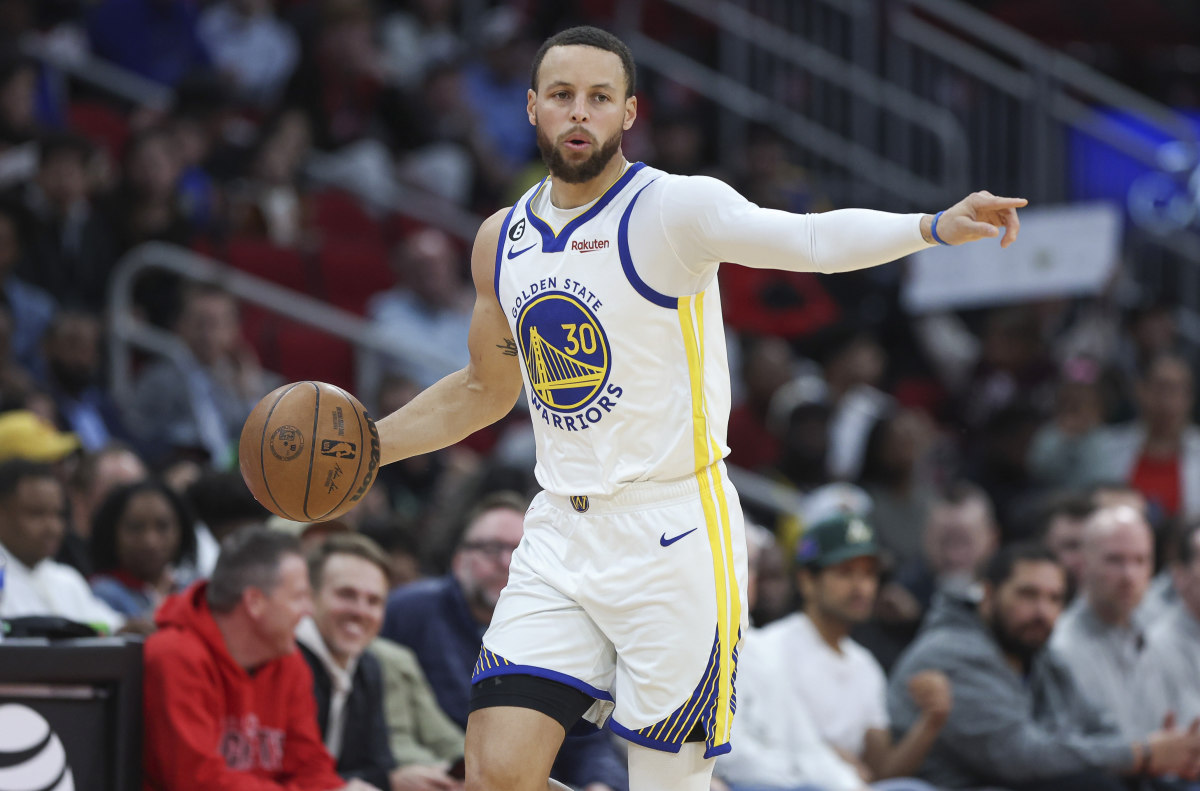
A sale that looks like a bargain in hindsight — the Warriors are now estimated at over $8B in value, the highest in the league. - Philadelphia 76ers – $280M (2011)
A group led by Josh Harris acquired the Sixers at a valuation that now seems staggeringly low compared to today’s standards. - Detroit Pistons – $325M (2011)
Tom Gores’ purchase reflected a transitional period for NBA valuations just before the surge of the mid-2010s. - Cleveland Cavaliers – $375M (2005)
Dan Gilbert’s entry as owner coincided with the LeBron James era — a move that transformed both the franchise’s fortunes and Gilbert’s profile. - Sacramento Kings – $534M (2013)
Vivek Ranadivé’s ownership stabilized a franchise that was once under relocation threats.
Deals from Earlier Decades
- Chicago Bulls – $16M (1985)
Jerry Reinsdorf’s purchase preceded the Michael Jordan era, arguably the single greatest value appreciation in sports history. - Boston Celtics – $360M (2002)
Long viewed as an iconic brand, the Celtics’ valuation has only compounded with their resurgence as a perennial title contender. - Miami Heat – $33M (1995)
Micky Arison’s acquisition helped turn Miami into one of the league’s most attractive destinations. - San Antonio Spurs – $76M (1993)
What was then a regional investment became the backbone of a dynasty through Tim Duncan, Tony Parker, and Manu Ginóbili. - Portland Trail Blazers – $85M (1991)
Paul Allen’s investment highlighted the early involvement of tech wealth in professional sports. - Denver Nuggets – $202M (2000)
Stan Kroenke’s acquisition was part of his broader sports empire strategy, linking NBA, NFL, and Premier League assets. - Indiana Pacers – $11M (1983)
A figure that underscores just how radically NBA economics have shifted in 40 years.
Key Takeaways
- Exponential Growth – A franchise worth $300M in the 2000s is now selling for $3B+.
- New Investor Classes – Tech billionaires, private equity, and hospitality investors are reshaping ownership groups.
- Global Appeal – With international broadcasting, streaming, and player influence, NBA franchises are now viewed as global assets, not just local teams.
- Scarcity Premium – With only 30 franchises, every sale represents not just a sports investment, but entry into one of the world’s most exclusive ownership clubs.
At 365247 Media, we track these shifts not just as transactions, but as strategic signals. NBA franchise valuations are more than financial markers — they are indicators of cultural capital, global reach, and the growing fusion of sport, business, and entertainment.
Partner With Us
Want to feature your brand, business, or service on 365247 — Whether you’re looking to sponsor, collaborate, or build presence within our ecosystem, we’d love to explore it with you.
Submit your interest here
IMAGE: USA Today Sports