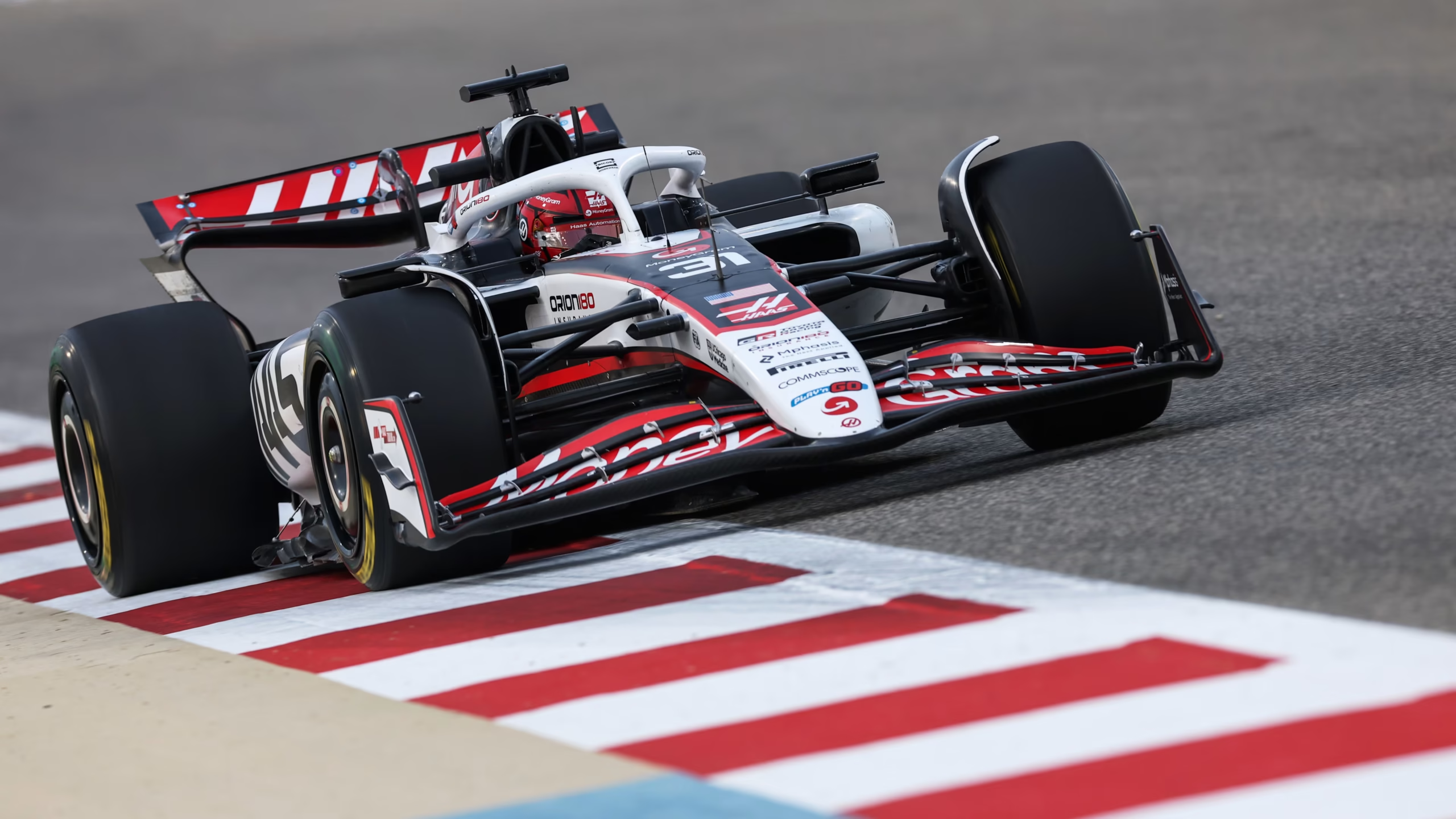
The Haas Formula One team has reported a profit of UK£6.5 million (US$8.7 million) for the 2024 season, marking its most successful financial year since 2019. The result also extends Haas’ streak of profitability to five consecutive years, a rarity in Formula One’s high-cost environment.
A Consistent Profit Model
Since 2020, Haas have generated UK£26.2 million (US$35.2 million) in cumulative profits — more than Aston Martin, Red Bull, and Williams over the same period. This achievement comes despite the team recording the lowest revenue among UK-based F1 operations in 2024, with UK£119.4 million (US$160.6 million).
The team’s long-standing strategy remains simple: purchase the maximum allowable car parts from Ferrari rather than investing heavily in their own infrastructure. For the smallest outfit on the F1 grid, this asset-light model continues to deliver sustainability, even with administrative expenses soaring to UK£111.3 million (US$149.7 million).
A Sharp Decline in Costs
One of the most striking financial details is the 60% reduction in cost of sales year-over-year, dropping to just UK£502,000 (US$675,000). This stands in stark contrast to the rest of the grid, where cost of sales generally rose in 2024.
The cause of such a sharp decline remains unclear, but the season did mark Haas’ first without former team principal Günther Steiner, who was reported to command an annual salary of around US$1 million. While Steiner’s departure cannot solely explain the drop, it signals a potential shift in operational expenditure and strategic decision-making under new leadership.
Context Within Formula One
In a year when several teams faced financial strain — Alpine posted a UK£14.6 million loss, while Williams’ cumulative losses since 2020 have hit UK£211 million — Haas’ ability to maintain profitability underscores the effectiveness of its lean business model.
However, questions remain about whether profitability at Haas comes at the expense of on-track competitiveness. While financial stability is vital, the team has struggled to break into the midfield consistently, raising the question of how far its current structure can take it under Formula One’s cost cap era.
Outlook
With Formula One revenues continuing to grow globally and sponsorship opportunities expanding, Haas faces a decision point:
- Double down on its current “lean” Ferrari-dependent model and continue delivering steady profits, or
- Invest more aggressively in performance infrastructure to close the competitive gap with midfield rivals.
For now, Haas’ financial results reflect one of the rarest qualities in motorsport: a consistently profitable Formula One team operating within its means.
Don’t Just Watch Sport, Understand It. Join the 365247 Newsletter for daily insights
For brands, agencies and services
IMAGE: F1