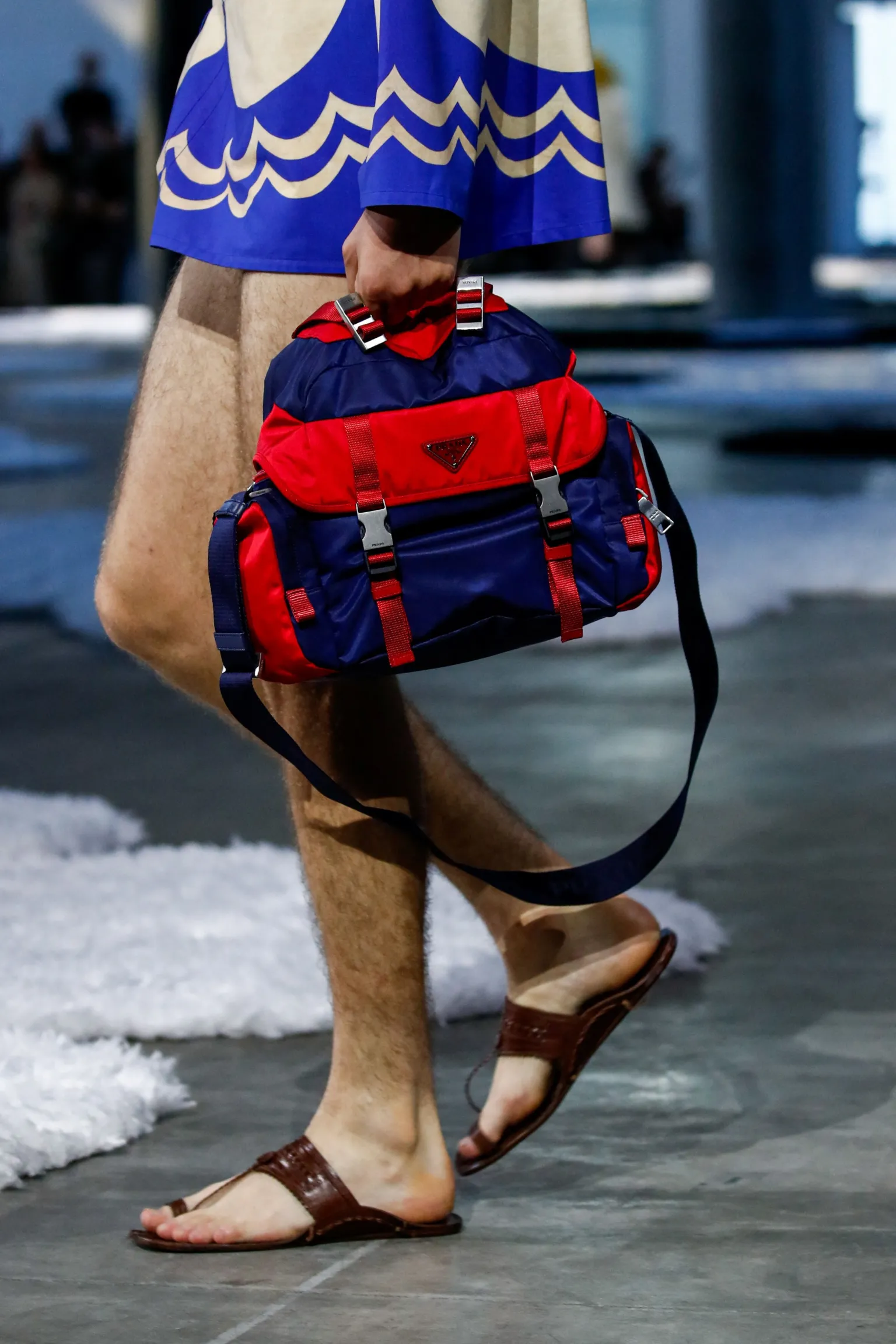
In June 2025, Italian luxury fashion house Prada found itself in hot water after showcasing a sandal in its Milan menswear collection that closely resembled India’s traditional Kolhapuri chappals—without acknowledgment. This moment became more than just a case of cultural oversight; it spotlighted a systemic issue that global brands continue to grapple with: how to engage authentically with India’s rich design heritage without appropriating it.
Fashion Meets Friction
Kolhapuri sandals, a handcrafted leather footwear style with centuries of heritage rooted in Maharashtra, hold cultural significance far beyond aesthetics. So when Prada’s version—a toe-braided sandal visually mirroring the Kolhapuri—appeared on the runway without attribution, the backlash was swift and widespread.
To its credit, Prada responded by engaging in dialogue. It sent a delegation to Kolhapur to meet with artisans, retailers, and local trade associations. The brand publicly expressed willingness to explore potential collaborations and acknowledged the origins of the design.
While the situation is evolving, this was a rare moment of recognition from a global brand—and one that sets a precedent.
This Isn’t New—But It Is Tiring
Prada isn’t alone. In the past few years, fashion giants like H&M, Reformation, and even Dior have faced similar criticism for borrowing from South Asian textile and embroidery traditions without proper attribution. Whether it’s mukaish embroidery or sari-inspired silhouettes, the recurring theme is a lack of context and credit.
In 2011, Chanel’s “Paris-Bombay” collection under Karl Lagerfeld was similarly called out for relying on visual clichés rather than genuine representation. While such collections are often celebrated for their exotic aesthetics, they often fall short in providing meaningful recognition—or commercial benefit—to the communities they draw from.
Why This Keeps Happening
Fashion insiders argue that today’s breakneck creative cycles leave little time for deep cultural research. But critics say the issue runs deeper—namely, a lack of cultural literacy and diversity within global luxury teams. As Nonita Kalra, Editor-in-Chief of Tata CliQ Luxury, puts it: “Brands need people from different parts of the world inside their decision-making rooms to course-correct these blind spots.”
Design schools teach attribution. Global brands can—and should—do better.
The Indian Luxury Conundrum
While India’s luxury retail market is projected to reach $14 billion by 2032 (Boston Consulting Group), many luxury brands still view the country more as a production hub than a lucrative consumer base. India’s super-rich shop globally, but first-time luxury consumers remain limited.
This perception, combined with low foot traffic in high-end Indian malls, means many labels don’t prioritize India in their brand strategies. But as a younger, more cosmopolitan generation with disposable income emerges, ignoring India might prove shortsighted.
The Bigger Picture
For Indian artisans, this isn’t just about global brands missing credit—it’s about missed opportunity. Traditional crafts like Kolhapuri chappals, juthis, and zardozi embroidery take weeks or months of work. Yet artisans often operate in vulnerable conditions, lacking formal protections, branding, or bargaining power.
“We bargain over a pair of handmade shoes, but pay tenfold for factory-made sneakers,” notes Laila Tyabji, Chairperson of Dastkar. “Until we value our own craftspeople, others will continue to exploit them.”
What Brands Need to Learn — And Do Better
Cultural storytelling must be inclusive, collaborative, and attributive. It should be grounded not just in aesthetic appeal, but in historical and social awareness.
If your brand is entering a culturally rich market like India—or drawing inspiration from it—consider the following:
- Conduct cultural audits before launching campaigns.
- Establish partnerships with local artisan communities.
- Build attribution into your creative and legal processes.
- Invest in diverse leadership to build global relevance with local nuance.