Women’s football is no longer riding a wave — it’s driving it. According to recent research released by Ofcom, Gen Z is gravitating more toward women’s football than traditional sports like tennis and rugby. The findings not only signal a shift in sporting preference but highlight a broader transformation in how the next generation consumes sport.
This isn’t a minor trend. It’s a new playbook.
The Stats Say It All
- 25% of 18-34-year-olds say they are actively interested in watching football.
- Within that, women’s football is showing the sharpest growth, with the UEFA Women’s Champions League viewership growing by 6% over five years.
- Traditional TV viewership in the same age group dropped by 34%, yet live sports viewing time per person increased — just not on the platforms we’re used to.
So what’s driving the rise in women’s football — and why is Gen Z tuning in?
From Legacy Underdog to Cultural Phenomenon
The success of the England Lionesses at the UEFA Women’s Euro 2022 was a turning point. For many, it wasn’t just a win on the pitch — it was a social and cultural victory.
But success on the field alone isn’t enough to build a movement. Accessibility and digital fluency are what turned momentum into fandom:
- Broadcast Deals that Matter: Women’s football found visibility thanks to free, flexible, and frictionless access via DAZN, YouTube, and the BBC.
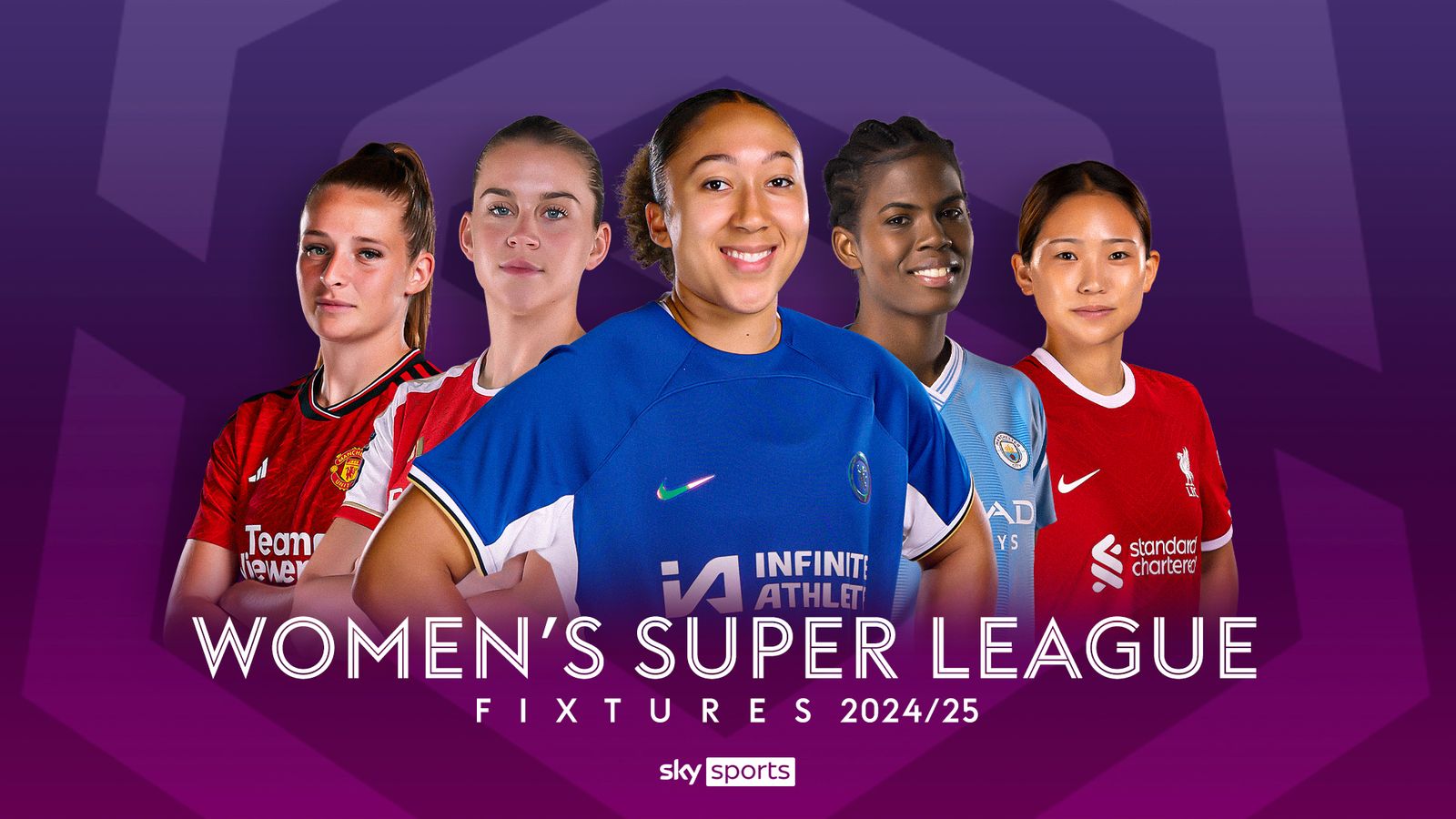
- Platform-Native Players: Players like Leah Williamson, Chloe Kelly, and Alessia Russo have built direct lines of connection with fans through TikTok, Instagram, and even YouTube Shorts.
- Digital-native Audiences: Gen Z doesn’t just watch sport — they follow, comment, clip, remix, and redefine it. The medium is the message.
As a result, women’s football now lives where Gen Z lives: online, social, mobile-first, and on demand.
Tennis and Rugby: At Risk of Falling Behind?
While tennis and rugby boast legacy appeal and institutional weight, their current digital strategies aren’t cutting through with younger audiences. Neither sport has cracked the content-format balance or creator integration that women’s football has leaned into so naturally.
To catch up, these sports must stop thinking in seasons and start thinking in storylines — distributed across content ecosystems, not just broadcast windows.
Key questions for rights holders:
- Are you telling stories beyond matchday?
- Is your sport shareable? Memeable? Creator-friendly?
- Do your athletes feel relatable or remote?
- Are you designing for the TikTok scroll or the linear schedule?
Strategic Takeaways for Sponsors, Broadcasters & Clubs
- Follow the Attention: Gen Z isn’t ditching live sport — they’re watching more, just not on cable. Sports that deliver digitally win the visibility battle.
- Athletes = Creators: Women’s footballers are bridging the gap between sport and lifestyle, using social media as a storytelling tool. Sponsors must empower — not control — athlete voices.
- Community, Not Just Coverage: The winning formula isn’t only reach; it’s resonance. Sports that feel inclusive, socially driven, and culturally aware are winning hearts and algorithms alike.
- Content is the Channel: Traditional media distribution models are crumbling. Future fandom is built in Reels, Shorts, TikToks, and Discords.
At 365247, we help sports organizations, leagues, and sponsors evolve their digital, commercial, and cultural strategy for the next generation of fans.
Whether you’re a rights holder looking to attract Gen Z, or a brand aiming to activate meaningfully within the growing women’s sports space, our consultancy provides:
- Digital fan engagement strategies
- Social-led content planning & creator partnerships
- Sponsorship frameworks for purpose-driven alignment
- Commercial models for sport x lifestyle crossovers
Ready to futureproof your sport or brand for Gen Z?
Let’s build what’s next — together. Schedule your introductory call here.