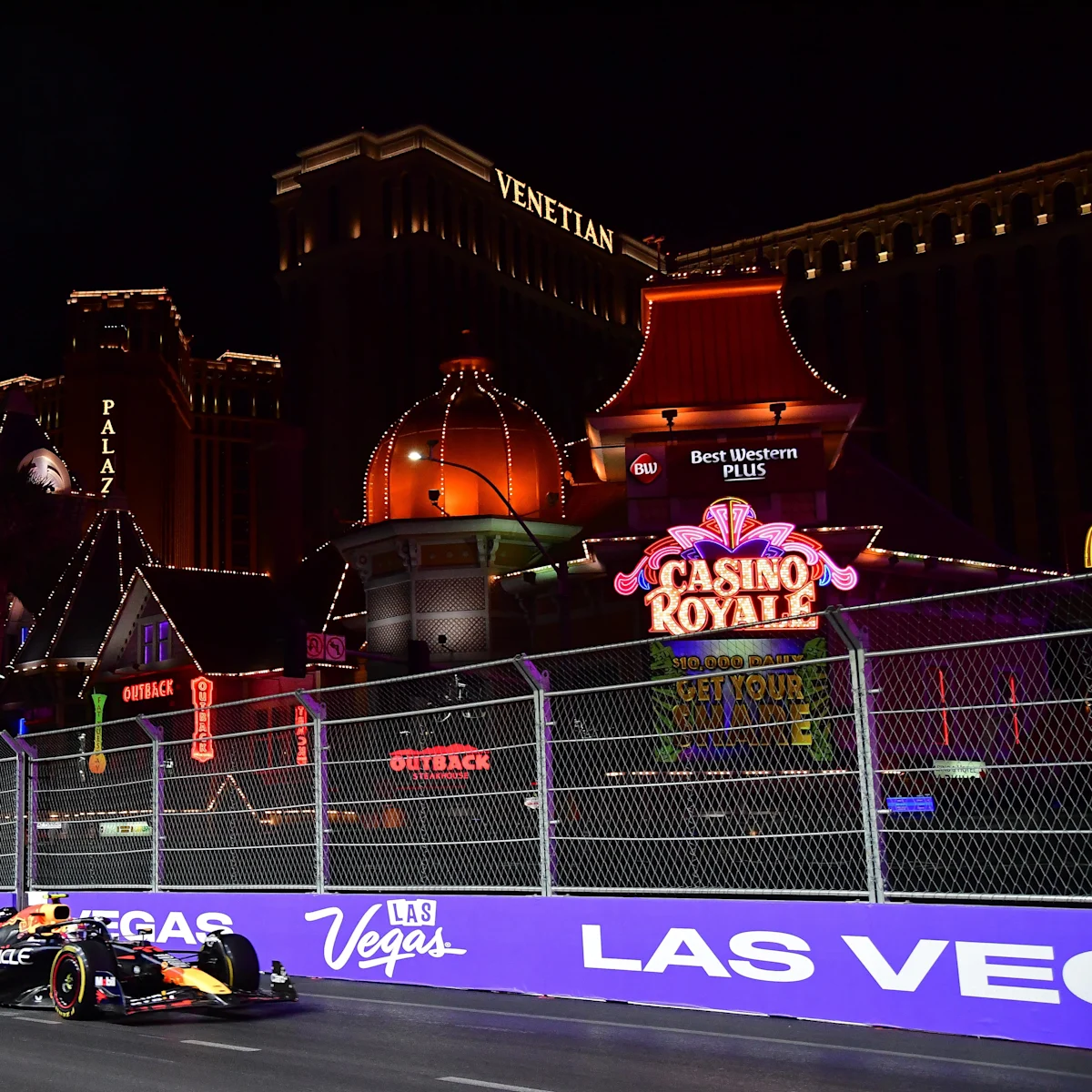
The Formula One Las Vegas Grand Prix has confirmed a five-year extension of its founding partnership with MGM Resorts, securing the hospitality giant’s involvement in the annual race weekend until 2030.
MGM and the Bellagio Fountain Club
At the center of this partnership is the Bellagio Fountain Club, a hospitality zone built directly over the iconic Fountains of Bellagio. The space offers one of the most premium vantage points on the circuit — overlooking F1’s longest and fastest straightaway, where cars reach speeds of over 210 mph.
This unique viewing area has become a signature part of the Las Vegas race experience. Beyond the racing spectacle, it delivers a culinary showcase with globally renowned chefs, including José Andrés, Mario Carbone, Masaharu Morimoto, and Antonia Lofaso. Guests also enjoy an open bar with signature cocktails, curated premium wines, and a rooftop lounge — creating a blend of luxury hospitality and high-octane motorsport that reflects the Las Vegas brand.
Why This Matters for Formula One
The Las Vegas Grand Prix has quickly positioned itself as one of the most distinctive events on the F1 calendar, not only because of the circuit but because of its integration with Las Vegas’ entertainment and tourism ecosystem. By aligning with MGM Resorts, Formula One ensures the event is more than a race — it is a global entertainment property that fuses sport, luxury, and hospitality.
This extension signals confidence in the long-term success of Las Vegas as an F1 destination and reinforces MGM’s strategy to use premium sports partnerships as a magnet for global tourism and high-value guests.
The Future of Sports Hospitality
At 365247, we see the F1-MGM partnership as part of a much larger industry trend: the festivalisation of sport. It’s not enough to host a match, a race, or a game. The modern fan — especially high-spending global tourists — is looking for an immersive experience that blends competition with lifestyle, culture, and entertainment.
This raises important questions for other leagues and rights-holders:
- How can venues integrate hospitality and culture into the core sports product?
- Can clubs and leagues create “destination events” that attract fans beyond the sport itself?
- What role will partnerships with hotels, chefs, tourism boards, and luxury brands play in the future of fan engagement?
The lesson is clear: in the next decade, sports properties that fail to think beyond the field of play risk leaving value on the table.
For Brands, Businesses and Services, feature in our posts
IMAGE: Imagn Images