CREDIT: The Sports Business Journal
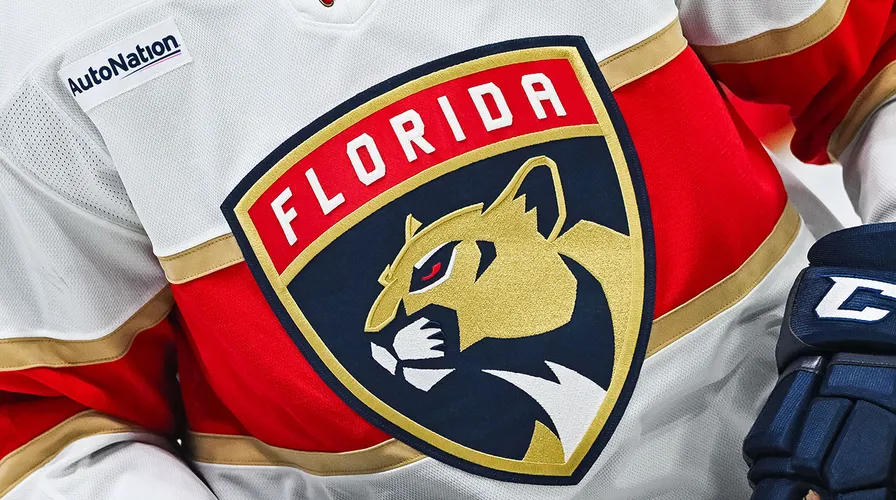
The Florida Panthers have officially established a dynasty — skating off with their second straight Stanley Cup, and their third consecutive Final appearance. Following on the heels of the Tampa Bay Lightning’s own back-to-back Cup wins and Finals streak, it marks a six-year era of dominance for hockey teams based in the Sunshine State.
In a twist that few could have predicted a decade ago, Florida — not Minnesota — is now the state that never stops skating.
As NHL Commissioner Gary Bettman proudly proclaimed during the Cup presentation:
“You have proven that hockey works in the sunshine.”
But does sustained success in non-traditional hockey markets like Florida help or hinder the NHL’s broader business objectives?
Viewership vs. Fan Development: A Balancing Act
From a ratings standpoint, the numbers tell a mixed story. Finals featuring Florida teams tend to underperform when compared to series with legacy franchises like the Maple Leafs, Bruins, Penguins, Rangers, or Red Wings. American television viewership across the last six Cup Finals — all of which featured the Panthers or Lightning — has trailed behind earlier years where traditional market teams drove national interest.
This year’s Final, for instance, saw U.S. viewership down nearly 28% through the first five games compared to the previous year — in part due to the broadcast shift from ABC to TNT, but also reflective of market pull.
However, NHL Chief Business Officer Keith Wachtel believes the long-term return far outweighs any short-term dip:
“We are absolutely growing the number of fans that are engaging in the sport… buying products, watching on TV, streaming, season-ticket holders. So, we’re building our business and building revenue streams that didn’t exist before.”
In other words, while fans in Boston or Pittsburgh might have tuned out, Florida is turning into fertile ground for fan base expansion, youth development, and sponsor engagement.
The Numbers Behind Florida’s Hockey Surge
The growth is tangible. Over the past five years:
- Hockey participation in Florida has increased by 35%
- Over 22,000 players are now registered statewide
- Local TV ratings in markets like Miami, Tampa, and West Palm Beach are on the rise
- Season-ticket renewals for the Panthers exceeded 90%, even after a nearly 40% price increase
The league is leaning into this momentum. In the upcoming season, both Florida franchises will host outdoor spectacle games — with the Panthers facing the Rangers in the Winter Classic at LoanDepot Park in Miami, and the Lightning taking on the Bruins at Raymond James Stadium in Tampa.
Can the Panthers Convert Championships Into Sustainable Business?
Despite ranking fifth in total ticket sales last season, the Panthers only placed 24th in ticket revenue, highlighting a gap in pricing power. That’s now shifting — and so is the club’s commercial outlook.
Panthers CEO Matt Caldwell notes that while many high-value sponsorship assets are locked under long-term deals, the back-to-back Cups have significantly boosted the team’s brand equity.
“We’re approaching the league average in overall revenue, and expect that to improve,” said Caldwell. “We want to stay competitive on the ice, and we intend to build the best roster possible.”
With the NHL’s salary cap projected to rise nearly 30% over the next three years, Caldwell says the Panthers are prepared to scale spending to match competitive ambitions.
Expansion Markets Are the Next Engine
From a consultancy standpoint, Florida’s hockey revolution offers a playbook for sports leagues aiming to deepen presence in “non-core” markets:
- On-Field Success Fuels Off-Field Growth
Florida’s surge proves winning isn’t just about trophies — it’s a catalyst for local investment, ticket sales, and participation. - Experiential Events Create Mass Moments
Hosting outdoor games adds cultural weight and unlocks new commercial inventory — without requiring new franchises. - Retention is as Crucial as Acquisition
The Panthers’ 90% renewal rate shows that when fans buy in emotionally, they’re likely to invest financially — even at higher prices.
If you’re a team, league, or city looking to reposition your market from secondary to central, now is the time to build vertically:
- Invest in tentpole events
- Leverage player development pipelines
- Use momentum-based pricing strategies
- And create pathways for non-traditional sponsors to enter the ecosystem
IMAGE: David Kirouac-Imagn Images