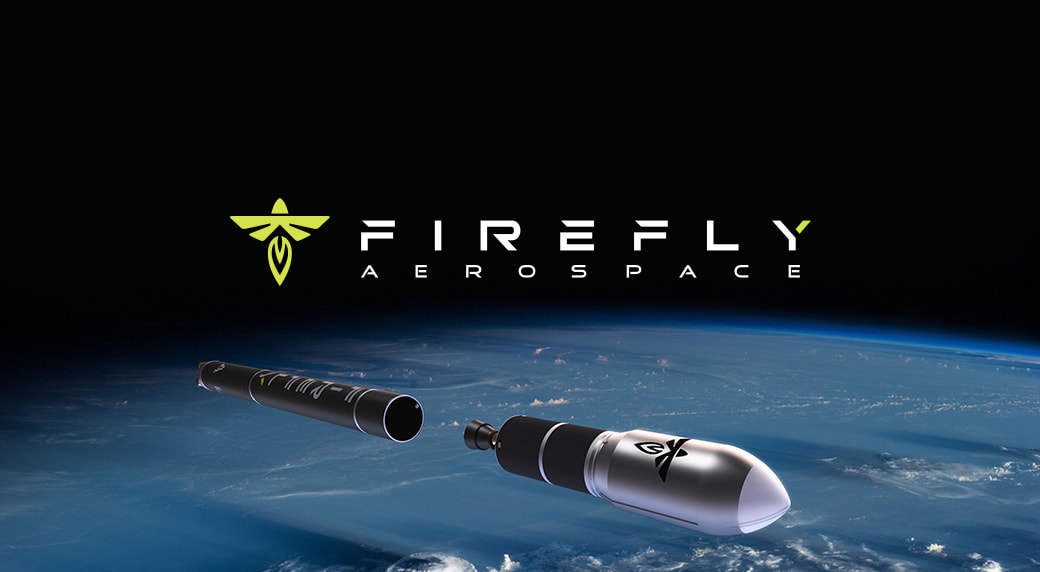
As public markets begin to thaw and investor appetite for frontier technologies reignites, Firefly Aerospace is taking bold steps to capitalize on the renewed momentum. The Texas-based space technology firm has raised the target range for its upcoming initial public offering (IPO), potentially pushing its market valuation beyond $6 billion — a signal of confidence not just in its own roadmap, but in the broader commercial space economy.
Revised Price, Renewed Confidence
In its latest regulatory filing, Firefly stated that it now expects to price shares between $41 and $43 each, a jump from its previously proposed range of $35–$39. If priced at the upper limit, the IPO could generate up to $697 million in fresh capital — a significant boost from the earlier projected total and a mark of how investor sentiment is shifting in favor of high-growth, defense-aligned ventures.
This upward revision comes as space tech re-emerges as a magnet for institutional capital. Following in the slipstream of companies like SpaceX and Voyager Space, Firefly is set to become a key public benchmark for how space and defense can intertwine in a new era of industrial competition.
A Strategic Stake in Space Infrastructure
Firefly’s offering isn’t just about rockets. The company builds space tugs, lunar landers, and is best known for its Alphalaunch vehicle designed for small satellite deployment. Its growing list of high-profile collaborators includes NASA, Lockheed Martin, L3Harris, and a recent $50 million funding boost from Northrop Grumman — further embedding the company into the defense-industrial base.
This isn’t a speculative moonshot. It’s a calibrated bet on space infrastructure as a dual-use platform for both national security and private sector innovation.
Financial Signals: Scaling Fast, Spending Hard
The company’s revenue performance is another indicator of its rapid rise. Firefly reported $55.9 million in revenues at the end of Q1 2025, a substantial leap from just $8.3 million in the same quarter last year. However, its net losses also expanded, rising to $60.1 million, reflecting the capital-intensive nature of space tech as it scales.
In many ways, this is par for the course. For space companies at the growth frontier, aggressive investment often precedes profitability — and Firefly appears to be no exception. What sets it apart is the blend of commercial and defense relevance, which may provide a more resilient long-term path to monetization.
IPOs Return to Orbit
Firefly’s IPO also underscores a broader trend: the cautious reawakening of the public markets for tech and aerospace companies, after a prolonged slowdown in IPO activity. Its peer, Voyager Space, debuted earlier this summer — potentially kicking off a new wave of space IPOs that were put on ice during the 2022–2023 tech market correction.
For investors and strategists watching the sector, Firefly’s launch into public life will serve as a bellwether — not just for how investors price risk in emerging aerospace, but how seriously Wall Street is beginning to treat the next space race.
Partner With Us
Want to feature your brand, business, or service on 365247 — Whether you’re looking to sponsor, collaborate, or build presence within our ecosystem, we’d love to explore it with you.
Submit your Interest Here