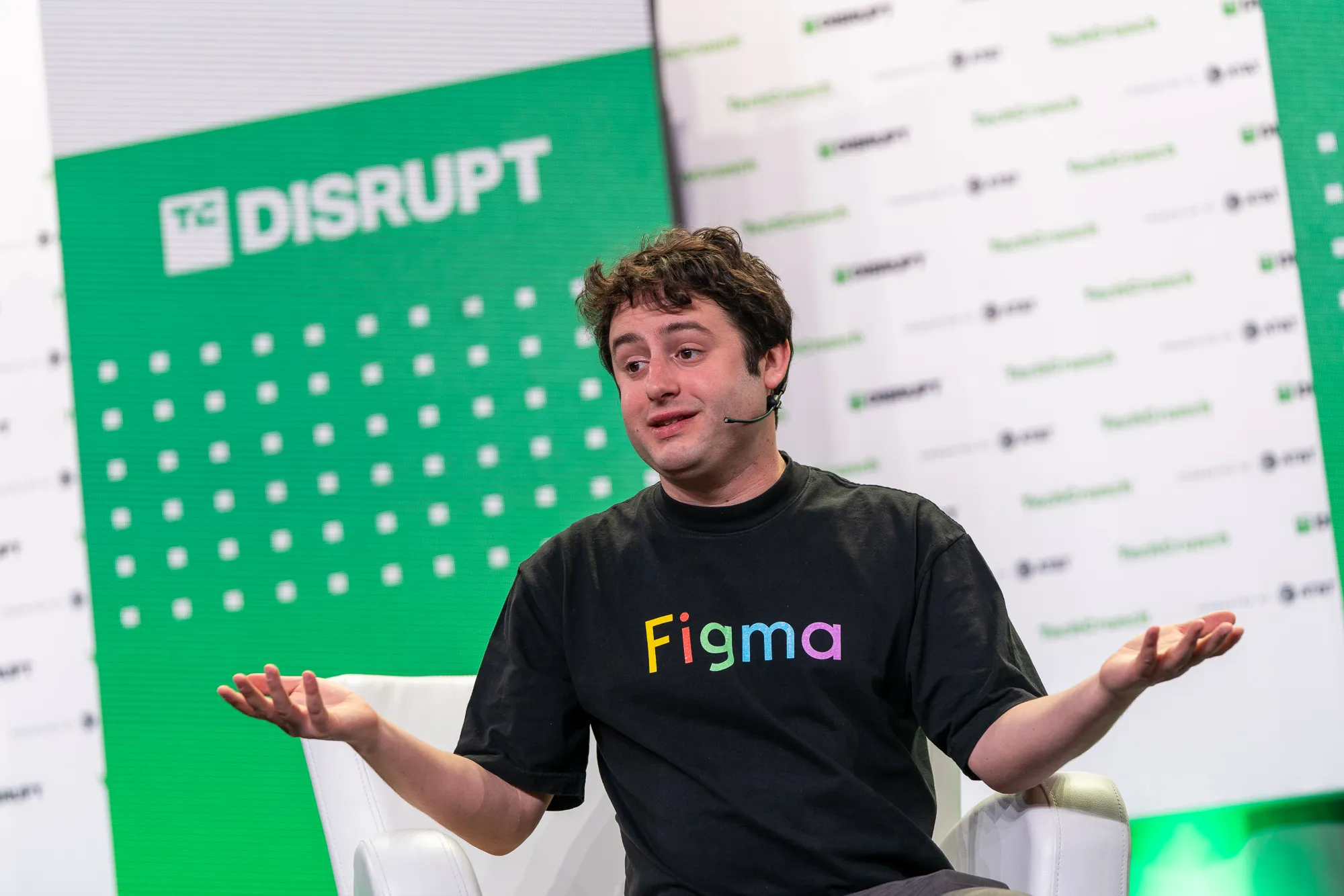
The U.S. IPO market may have just found its comeback moment—and it comes with a design twist.
Figma, the collaborative design software company that reshaped how teams build digital products, has made a resounding entrance on the New York Stock Exchange. Its shares are expected to debut at over three times the IPO price of $33, potentially valuing the company near $59 billion—a massive leap from the $20 billion valuation Adobe proposed in a now-cancelled acquisition deal last year.
The public debut places Figma firmly in the spotlight, not just as a software success story, but as a bellwether for a tech sector that has waited nearly three years for fresh high-growth listings. According to Renaissance Capital, the market has seen a scarcity of large-scale tech IPOs in recent years, creating pent-up demand from investors seeking innovative companies—especially those with strong AI narratives.
Why This IPO Matters
Figma’s public offering arrives at a moment when the broader market is regaining momentum. After a brief cooldown earlier in the year due to global tariff uncertainties, 2025 now looks to be the year IPOs return to form—particularly in the technology sector.
The company secured a $19.34 billion valuation through the IPO itself, but trading at anticipated levels between $95–$100 per share suggests investor sentiment is far more bullish.
This is more than just a successful exit for Figma. It’s a signpost for how AI-driven innovation is becoming the new prerequisite for public-market excitement.
AI as Strategic Differentiator
Figma’s real strength may lie in its evolving AI capabilities. According to its leadership, the company has embedded AI in ways that democratize design while enhancing creative quality—lowering the barrier for beginners while raising the ceiling for professionals and enterprise teams.
“We’ve built AI to both simplify and amplify the design process,” said CFO Praveer Melwani. That strategy is already paying off, as the company races alongside Adobe, Microsoft, and others to deliver generative AI tools that redefine productivity—from automatic layouts to image generation and even code suggestions.
Backed by Silicon Valley’s Elite
Figma’s cap table reads like a who’s who of venture capital: Kleiner Perkins and Sequoia Capital are among its earliest and most prominent investors. Sequoia, which reportedly invested in Figma at just $1.10 per share during its Series C round, is now positioned for a massive return. This outcome also underscores how elite venture firms continue to dominate the late-stage tech landscape.
Andrew Reed, Sequoia partner and Figma board member, noted that AI wasn’t a visible asset in Figma’s value proposition back in 2022—but it has now become central to the company’s long-term moat.
Enterprise Design in a New Era
Figma serves a high-profile client base including Netflix, Airbnb, and Duolingo. Its enterprise growth has coincided with a wider trend of creative and tech teams demanding real-time collaboration and design automation at scale.
With the IPO reinforcing investor appetite for design tools integrated with AI, Figma’s trajectory may influence not only public markets, but also how other startups position themselves for growth and liquidity.
The Broader Context
Figma’s listing lands in the same week that Microsoft posted strong earnings, further fueling confidence in AI-led business transformation. With Big Tech doubling down on AI, capital markets appear eager to reward companies building real utility around it—not just hype.
As more software firms emphasize AI in their products and strategies, the message is clear: high-growth is back, but this time, it’s AI-first.
Partner With Us
Want to feature your brand, business, or service on 365247 — Whether you’re looking to sponsor, collaborate, or build presence within our ecosystem, we’d love to explore it with you.
Submit Your Interest Here
IMAGE: TechCrunch