Fifa is weighing up a significant change to its flagship club competition — the Club World Cup could shift to a biennial format after 2029, intensifying debates over the already crowded football calendar.
The expanded 32-team Club World Cup, set for its inaugural edition in the US this summer, was originally scheduled to run every four years. But leading European clubs are pressuring Fifa to accelerate the cycle, with Real Madrid reportedly raising the proposal in June talks in Miami. Other global giants, including Barcelona, Manchester United, Liverpool, and Napoli, are said to support the move, particularly those that missed qualification this year.
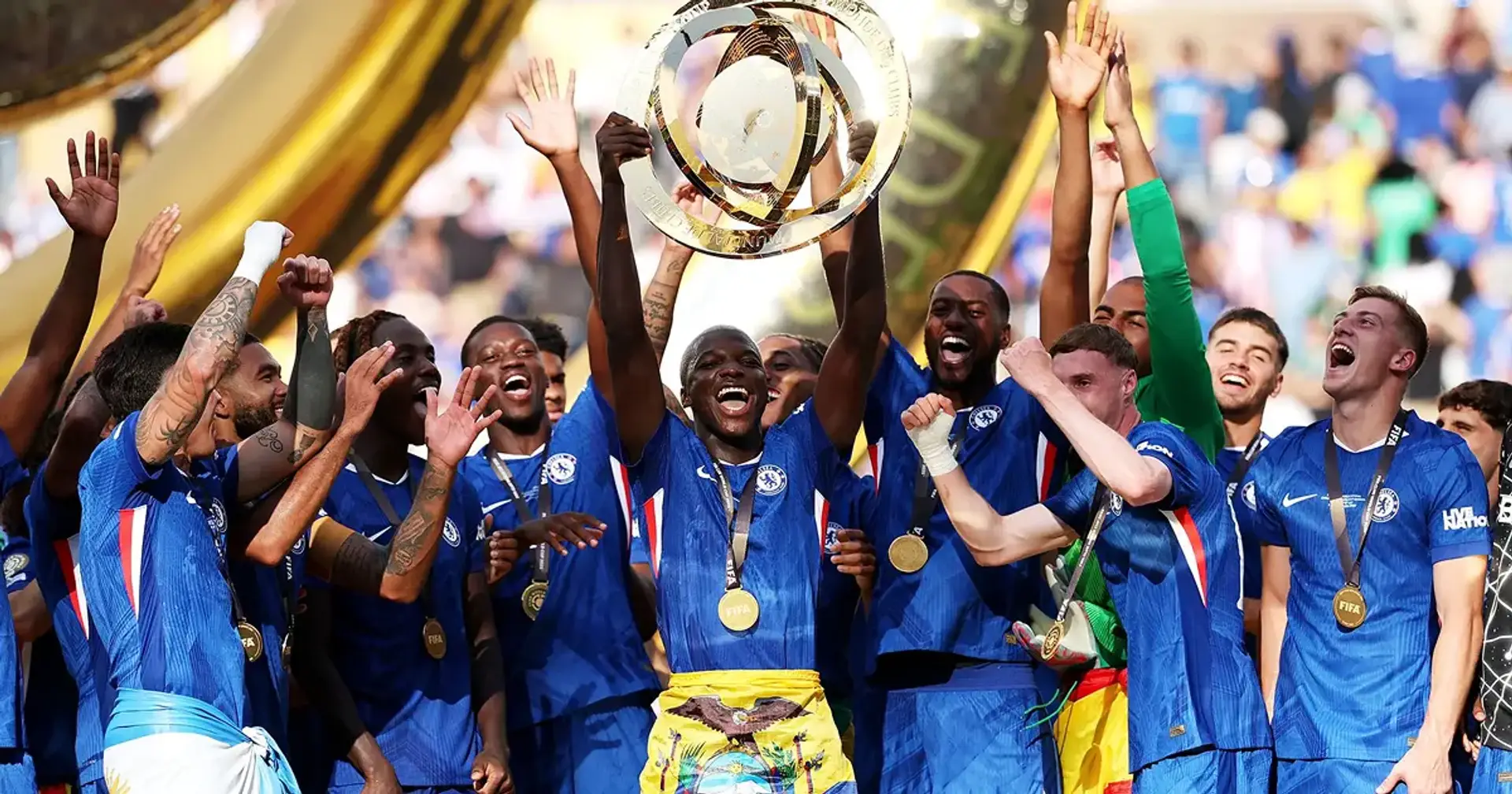
The commercial rationale is clear. Chelsea earned £85m in prize money for winning the competition, and clubs see the Club World Cup as a direct pathway into Fifa’s increasingly lucrative revenue ecosystem, funded in large part by Saudi Arabia’s Surj Sports Investments.
Tensions with Domestic & Continental Football
Any shift would set the stage for fresh clashes with Uefa and domestic leagues, particularly the Premier League. Governing bodies argue that Fifa is overreaching into the club game while ignoring consultation with leagues, unions, and player associations.
Richard Masters, Premier League chief executive, recently underlined this frustration: “The Club World Cup directly affects the scheduling of the domestic season. We’re asking for a seat at the table, not unilateral decisions.”
Adding to the legal pressure, World Leagues — a lobbying group including the Premier League — has filed a complaint to the European Commission, accusing Fifa of abusing its dominance in global football. With support from FIFPro, the players’ union, the case highlights a deeper conflict: who truly controls football’s calendar?
What Comes Next
- No changes before 2029: Fifa is bound by its current agreement with the European Clubs Association until 2030.
- Post-2030 flexibility: Negotiations for the global calendar beyond 2030 will be decisive, with Fifa signaling openness to scrapping the June international break to create space.
- Expansion in play: Fifa is reviewing whether to lift the current cap of two clubs per country and could even expand the Club World Cup to 48 teams, aligning with its World Cup model.
- Hosting rights: Unlike this summer’s US-hosted edition (awarded without a tender), the 2029 tournament will see a bidding process. Qatar, Spain, and Morocco have already expressed interest.
Strategic Implications
From a sports business and governance lens, this development carries several critical implications:
- Revenue vs. Sustainability
- Clubs want access to Fifa’s commercial engine, but increased competition risks oversaturation. The challenge is balancing new revenues with player welfare and fan appetite.
- Global Football Governance
- Fifa’s push deeper into club football highlights shifting power away from continental bodies like Uefa. Expect intensified governance battles as stakeholders demand a greater say in scheduling.
- Market Opportunities for Hosts & Sponsors
- For nations like Qatar, Spain, and Morocco, hosting presents a chance to leverage soft power, tourism, and commercial activation. For brands, the Club World Cup offers global visibility akin to the men’s World Cup, but with a club-driven narrative.
- Risk for Domestic Leagues
- Extended international competitions may dilute the value of domestic football, impacting broadcasters and sponsors who invest heavily in leagues like the Premier League and La Liga.
- Strategic Advisory Need
- Clubs, leagues, and sponsors will require data-driven scenario planning, fan engagement models, and governance strategies to navigate this evolving landscape.
Partner With Us
Want to feature your brand, business, or service on 365247 — Whether you’re looking to sponsor, collaborate, or build presence within our ecosystem, we’d love to explore it with you.
Submit your interest here
IMAGE: Getty Images