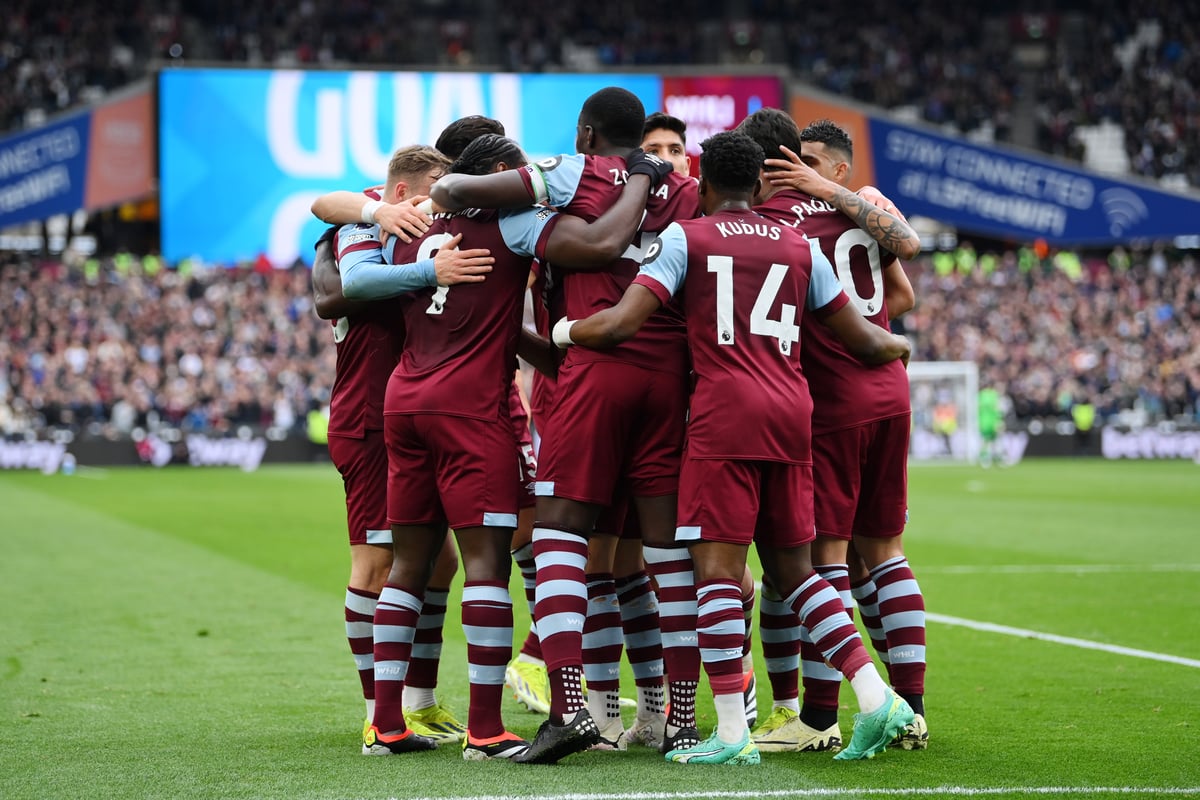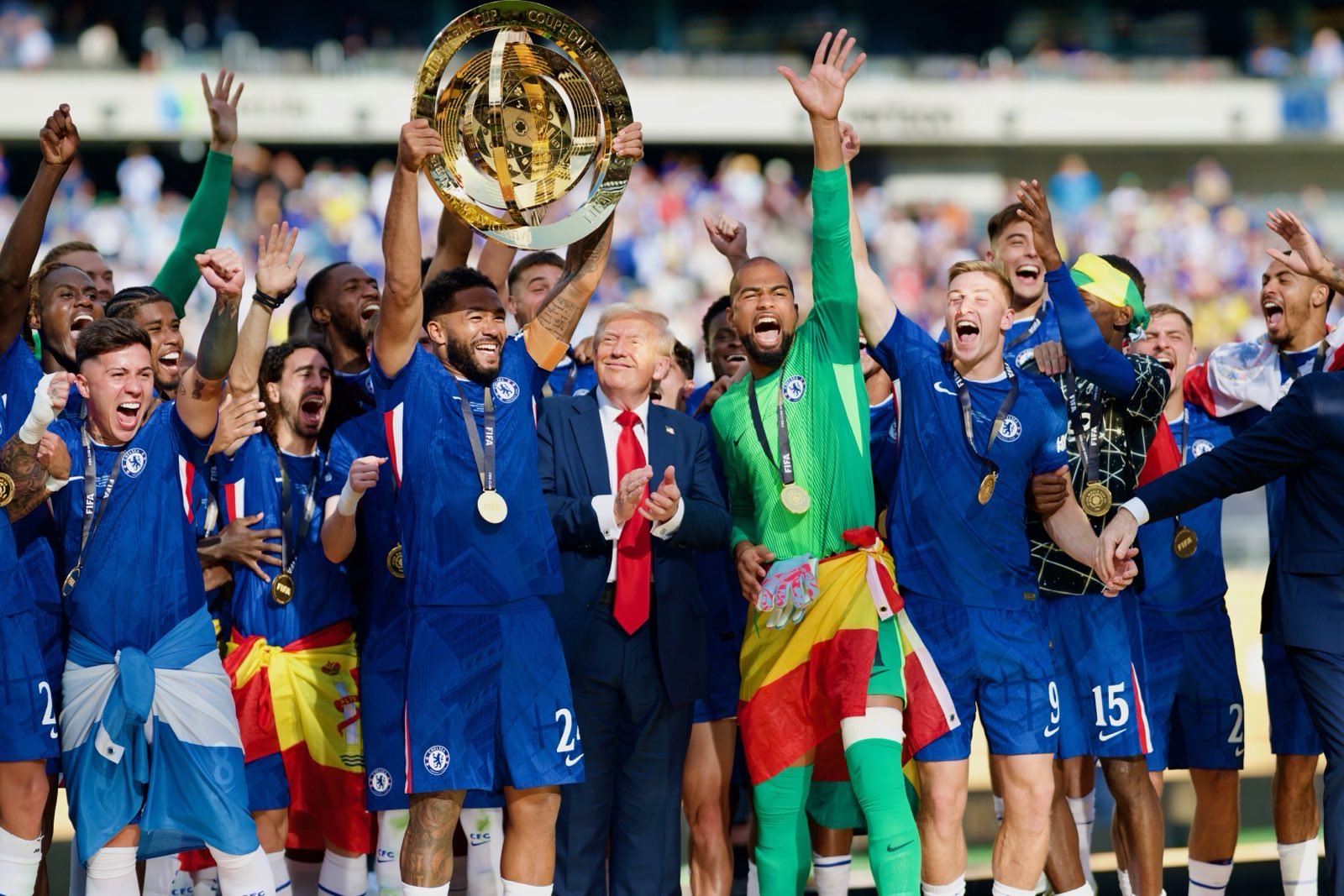
FIFA says the inaugural, expanded Club World Cup delivered a 2.7 billion global audience, with almost 2.5 million fans in stadiums across the U.S., while DAZN reported its biggest registration day ever on the tournament’s opening day. FIFA also highlighted massive social traction, with 10B+ impressions across platforms.
The top-line numbers, decoded
2.7B global audience (preliminary). In FIFA’s own framing, this figure reflects preliminary independent data indicating worldwide reach and engagement, not a single-match average. Treat it as cumulative exposure across the month-long event rather than simultaneous viewership.
2.5M in-venue fans. Across 63 matches, attendance approached 2.5M—roughly in line with a high-30Ks average per game. Independent roundups pegged the tournament around 39–40k per match, with the final cresting above 80k.
DAZN’s record day + 10B social. DAZN’s corporate messaging around the event emphasizes sign-up spikes and social scale (“biggest registration day ever” and “10B+ social impressions”), underlining how a global, multi-language OTT front door can convert tent-pole football into audience acquisition
The reality check on attendance
Group-stage gates were uneven. Reporting during the tournament noted large swathes of empty seats in several early fixtures—even as the competition averaged mid-30Ks through those rounds and built toward stronger late-stage crowds. In short: the macro total is impressive, but demand was spiky by match, city, and kickoff time.
Why these outcomes matter (beyond bragging rights)
1) Proof of global product-market fit. The scale—both on screens and at the turnstiles—gives FIFA a concrete case that an expanded club tournament can stand as a summer tent-pole in its own right, distinct from the national-team World Cup. (FIFA’s release explicitly positions the event as a worldwide success story.)
2) OTT as a growth engine. DAZN’s reported record registration day shows how premium football IP can be customer-acquisition infrastructure, not just programming. That playbook—big rights + creator/social flywheel + low-friction sign-ups—will inform how platforms approach future global events.
3) Social as the second screen (and sometimes the first). Hitting 10B+ impressions reframes success beyond linear or even OTT averages; global football increasingly measures health by cumulative cultural reach across feeds, shorts, and creators as much as by minute-by-minute viewing.
365247 take
- Reach (cume), not just rating (avg). Expect stakeholders to lead with cumulative global audience and social touchpoints when selling sponsorships and renewals.
- Acquisition moments. Rights holders and platforms will engineer “registration spikes” around opening weekends, derby days, and finals—then nurture those cohorts with evergreen club content.
- Venue programming discipline. The attendance picture rewards markets with strong local hooks and smart kickoff windows; schedule design and localized marketing will be as important as badge value.
Bottom line
FIFA’s 2025 Club World Cup didn’t just produce a champion; it produced a commercial blueprint: global reach at platform scale, measurable subscriber acquisition for streamers, and a stadium footprint that—while uneven early—added up to heavyweight totals by the end. For sponsors, clubs, and platforms, this is the clearest signal yet that club-football summers can be built into truly worldwide moments—if you optimize the distribution mix and design the calendar for modern consumption.