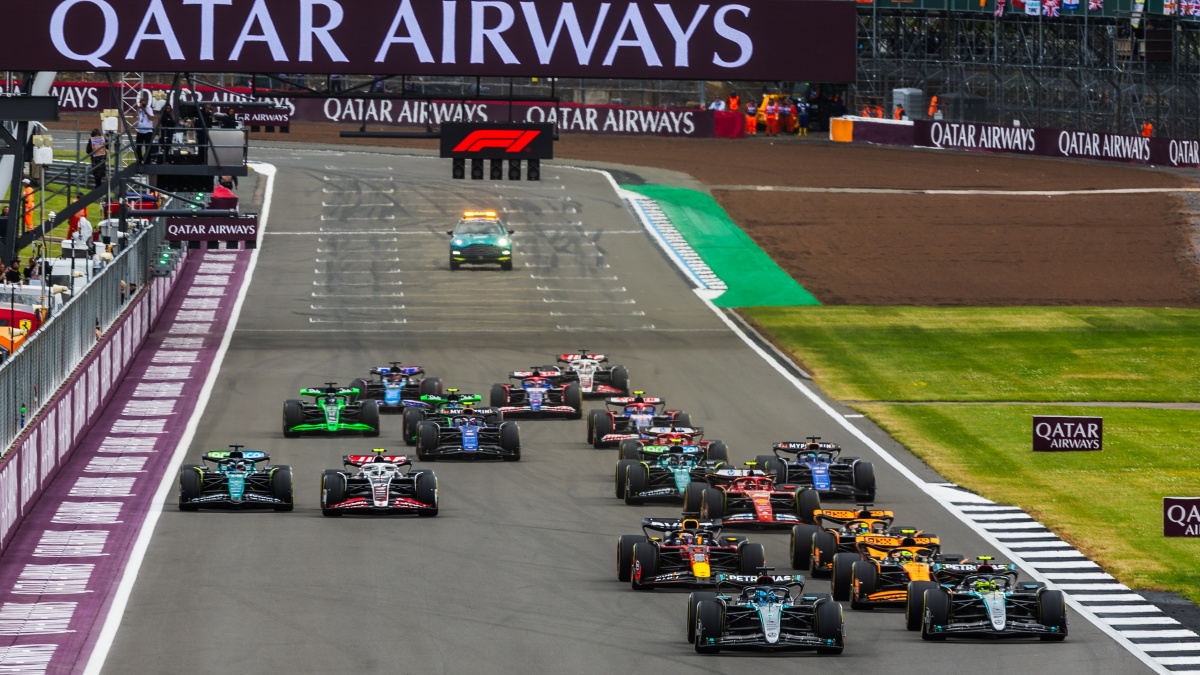
Formula 1’s meteoric rise in the global sports landscape hasn’t been incidental. While some credit cultural trends or Netflix documentaries, the reality is far more intentional: Formula 1’s surge has been meticulously engineered — both on the track and behind the broadcast curtain.
Under the ownership of Liberty Media, the sport has become a case study in how to modernize a legacy brand. In 2024, Formula 1 generated a record-breaking $3.6 billion in revenue, up 11% from the previous year. Attendance figures reached 6.5 million, TV viewership hit 1.6 billion, and F1’s social media following grew to nearly 100 million — each of these data points underlining a sport that has transitioned from elite niche to mass-market spectacle.
But what exactly is fueling this momentum? It’s more than just engines and adrenaline.
Narrative Engineering: The Power of Modern Storytelling
The shift began with Netflix’s Drive to Survive, which transformed F1 drivers into protagonists in a global drama. The series didn’t just recap races — it delivered story arcs, rivalries, and emotional vulnerability. That shift from technical coverage to emotional storytelling created an entirely new demographic of F1 fans — younger, digital-first, and more globally diverse.
As Dhaval Ponda, VP and Global Head of Media & Entertainment at Tata Communications, noted in an interview with Insider Sport, this isn’t a happy accident. “People want the journey,” he explained. “They want access to the personalities, not just the podium.” Regional storytelling, local commentary, and athlete-focused narratives are reshaping not just how fans watch sport — but why.
This emotional connection — what brand strategist Nick LaManna described as “narrative arbitrage” — is key. While long-time fans debate tyre strategies, new markets are falling in love with the human stories behind the helmets.
The Medium is the Message: F1’s Digital Consumption Revolution
Ponda highlighted another major shift: the screen. Today’s F1 audience is mobile-native. Their first interaction with the sport is on a phone, not a TV. For them, passive viewership is dead. They expect short-form, tailored, on-demand, and hyper-relevant content — and they expect it now.
The challenge for traditional broadcasters? Mobile is not a downsized TV experience — it’s an entirely different product. “Digital-native content must feel made for me,” said Ponda. “Not just repackaged broadcast.”
F1’s strategic pivot — from linear broadcasts to modular, personalised experiences — has been key to capturing this evolving market. And that shift has been powered by partners like Tata Communications.
Behind the Scenes: Tata Communications, F1’s Quiet Innovation Engine
Few fans know Tata Communications by name, but they’ve been one of the most critical enablers of F1’s digital transformation. As F1’s official broadcast connectivity partner, Tata has worked with the sport for over a decade — from introducing ultra-high-definition streaming years ahead of competitors to pioneering biometric overlays and immersive fan tech.
Their work includes:
- Supporting Sky’s 24/7 F1 channel
- Powering global live data transmission from race circuits
- Testing and implementing ultra-HD, VR, and AR integrations
- Innovating live venue experiences for in-person fans
“We don’t just transmit data,” said Ponda. “We enhance the experience — whether you’re in Silverstone or scrolling in Singapore.”
The Future of F1: Data, Immersion, and Adaptability
What’s next for F1? Expect continued investment in real-time analytics, fantasy integrations, interactive overlays, and AR/VR-powered fan zones. But Tata isn’t betting on one technology — they’re betting on adaptability.
“Not everyone wants to watch sport on a VR headset,” said Ponda. “But we must be ready if and when they do.”
The focus remains on building proof-of-concept models, trialing new fan engagement tools, and co-developing experiences that feel intuitive across geographies, demographics, and devices.
What Can Other Sports Learn from F1?
At 365247 Consultancy, we believe Formula 1’s playbook offers a masterclass in next-gen sports marketing and commercial growth. The key lessons:
1. Storytelling Is Strategy:
You’re not selling matches — you’re selling meaning. Build player narratives and regional relevance to capture long-term fan loyalty.
2. Modular Content Wins:
Design for the medium. Don’t resize content for mobile; reimagine it. Think in clips, reels, overlays, and native formats.
3. Partner Smart, Not Wide:
Strategic alliances like F1 + Tata drive long-term innovation. Value aligned, flexible partners outperform bloated vendor ecosystems.
4. Embrace Emotion Over Exclusivity:
Legacy fans value precision; new fans crave connection. Serve both with layered, immersive experiences.
CREDIT: Insider Sport
IMAGE: Shutterstock