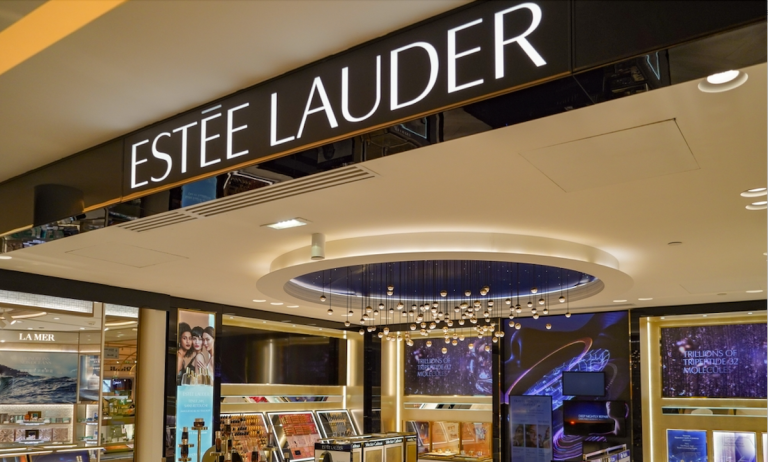
Global beauty powerhouse Estée Lauder is gearing up for a bold digital transformation, aimed at reversing sluggish sales and capturing the loyalty of younger, digitally native consumers.
At the heart of this renewed strategy is new CEO Stéphane de La Faverie, who is steering the company toward a unified vision of beauty retail — one that merges the physical and digital realms into a seamless, AI-enhanced experience.
In a move signaling the seriousness of this pivot, Estée Lauder has appointed Aude Gandon — a seasoned marketing leader from Nestlé — as its first-ever Chief Digital and Marketing Officer. Her remit goes beyond traditional eCommerce; it includes reimagining physical store design and elevating the entire consumer journey, from discovery to retention.
“Consumers no longer shop in silos. They might find a product on social media, test it in-store, and complete the purchase on a mobile app. The key is integrating all touchpoints and making the brand journey intuitive and responsive,” de La Faverie has said in recent interviews.
The AI Advantage in Beauty Retail
One of the pillars of Estée Lauder’s transformation is artificial intelligence. The brand is using AI to enhance personalization — offering tailored product suggestions, real-time feedback loops, and curated experiences based on individual preferences and online behavior.
Imagine discovering a lipstick shade online — and instantly receiving suggestions for matching blushes, foundations, or even skin prep routines, all personalized through machine learning. That’s the level of seamless curation Estée Lauder is working toward.
Winning Over Gen Z: A Non-Negotiable
The strategic urgency is clear: younger consumers, particularly Gen Z, are now the primary trend drivers in the beauty industry. With their “now or never” approach to digital shopping, they expect immediacy, authenticity, and integrated brand experiences.
And crucially, they want trust. Recent consumer research suggests nearly 43% of Gen Z shoppers prefer buying directly from brands rather than third-party platforms, citing trust and product authenticity as key factors.
Estée Lauder’s shift to a direct-to-consumer and AI-driven model is an answer to this generational demand — and a signal that legacy beauty brands must now think like agile, tech-enabled startups if they want to stay relevant.
Strategic Takeaway
Estée Lauder is not just updating its eCommerce strategy — it’s re-architecting the way beauty is discovered, bought, and experienced. In doing so, it joins a growing wave of traditional brands retooling their operations to match the pace, expectations, and behaviors of a rapidly evolving consumer landscape.
For global retail watchers, this is more than a turnaround story — it’s a case study in how heritage brands can reinvent themselves in the age of digital-first, trust-driven commerce.
IMAGE: PYMNTS