Durham County Cricket Club has publicly thrown its support behind a bold restructuring of the English domestic cricket calendar — advocating for a Grand Final model that could reshape the County Championship’s relevance, fan engagement, and commercial potential.
In a statement addressed to its members and stakeholders, Durham detailed a joint proposal — reportedly developed in collaboration with several other counties and the England and Wales Cricket Board (ECB) — that seeks to replace the current two-division format with a more competitive, streamlined structure built around high-stakes fixtures and reduced player burnout.
The Proposed Format: Grand Final Meets County Cricket
Under the new structure:
- The Championship would be divided into three conferences — two top-tier divisions and one lower conference, each comprising six teams.
- Each team would play 12 matches: 10 within its own group (home and away) and two inter-group games.
- The top team from each upper division would qualify for a five-day “Grand Final”, creating what Durham claims could be “the first £1 million domestic red-ball match” in the UK.
- The lower conference would function as a promotion platform, with two teams moving up annually, while one team from each upper division would be relegated.
This system borrows from models already in use across elite domestic competitions in Australia, New Zealand, India, and South Africa — all of which have successfully introduced Grand Final formats to raise competitive intensity and commercial value.
Addressing Player Fatigue and Meaningless Matches
Durham’s proposal arrives in the wake of a Professional Cricketers’ Association (PCA) survey, which revealed that:
- 83% of players believe the current schedule negatively impacts their physical health.
- 72% feel it prevents peak performance.
- More than two-thirds cited mental health concerns due to the existing workload.
Durham chairman Phil Collins pointedly criticised the existing 10/8 divisional split, noting the high number of “meaningless fixtures” in the final third of the season:
“Mid-table games in both divisions lack jeopardy. When you remove the stakes — title races, promotion battles, relegation fears — the cricket becomes less intense. That’s not good for players, fans, or the future of the red-ball game.”
A Broader Overhaul of Domestic Structures
Durham’s proposal also calls for a trimmed-down T20 Blast, consisting of three groups of six teams, with the entire competition concluding before the launch of The Hundred. This aligns with the growing consensus that the domestic calendar is currently overcrowded and unsustainable.
Several other counties have publicly backed varying reforms:
- Lancashire supports a similar 2×6 division model.
- Surrey and Somerset favour an 8/10 split to preserve 14 games per season.
- Middlesex wants to retain the current structure.
A members’ forum will be held on 30 July, where Durham will further outline the rationale behind its vision.
Why This Matters?
The current model of the County Championship — long a cornerstone of English cricket heritage — is losing traction among fans, broadcasters, and even players. From a strategic standpoint, Durham’s proposal should be seen not merely as structural tinkering, but as a move to reframe the product-market fit of red-ball domestic cricket.
Key implications:
- Commercial Uplift: A £1 million Grand Final creates a marquee media property, drawing sponsor interest, ticketing demand, and national attention.
- Broadcast Alignment: High-stakes, narrative-driven fixtures are more compatible with modern content distribution and second-screen consumption habits.
- Athlete Welfare: A reduced workload aligns with global trends in elite sports — from football to tennis — where athlete health is now central to scheduling.
- Fan Engagement: Jeopardy, clarity, and climactic finishes are central to compelling competition. A Grand Final brings red-ball cricket closer to the kind of “eventization” seen in other formats.
The ECB and county stakeholders must weigh competing interests, but the central question remains: What kind of domestic red-ball product can sustain both its legacy and its future viability?
At 365247 Consultancy, we specialize in helping rights-holders, governing bodies, and investors reimagine sports products for a changing audience. Whether it’s designing formats, creating narrative-driven IPs, or aligning legacy with commercial potential, our work bridges tradition and transformation.
Want to talk about domestic cricket strategy, player-first scheduling models, or Grand Final storytelling? Let’s connect.
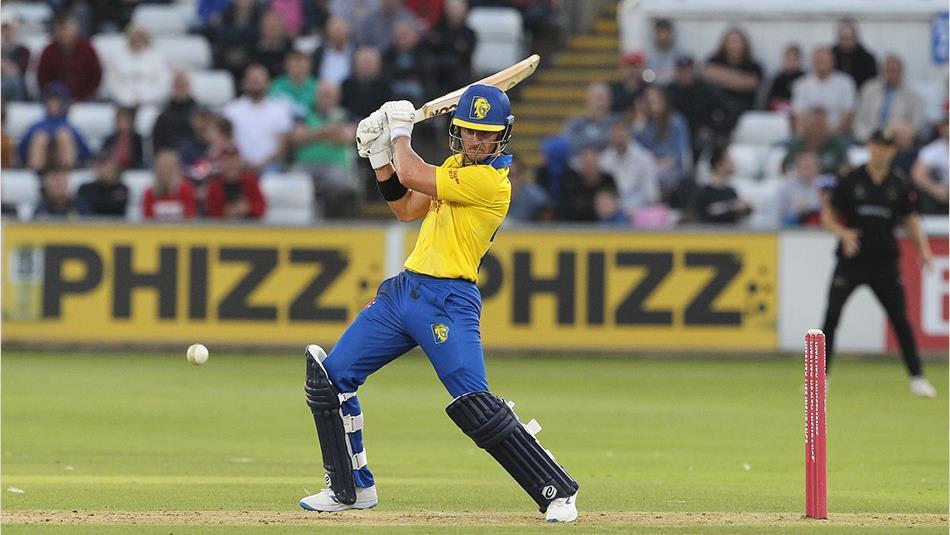
IMAGE: Durham Cricket