Inspired by original reporting from The Athletic
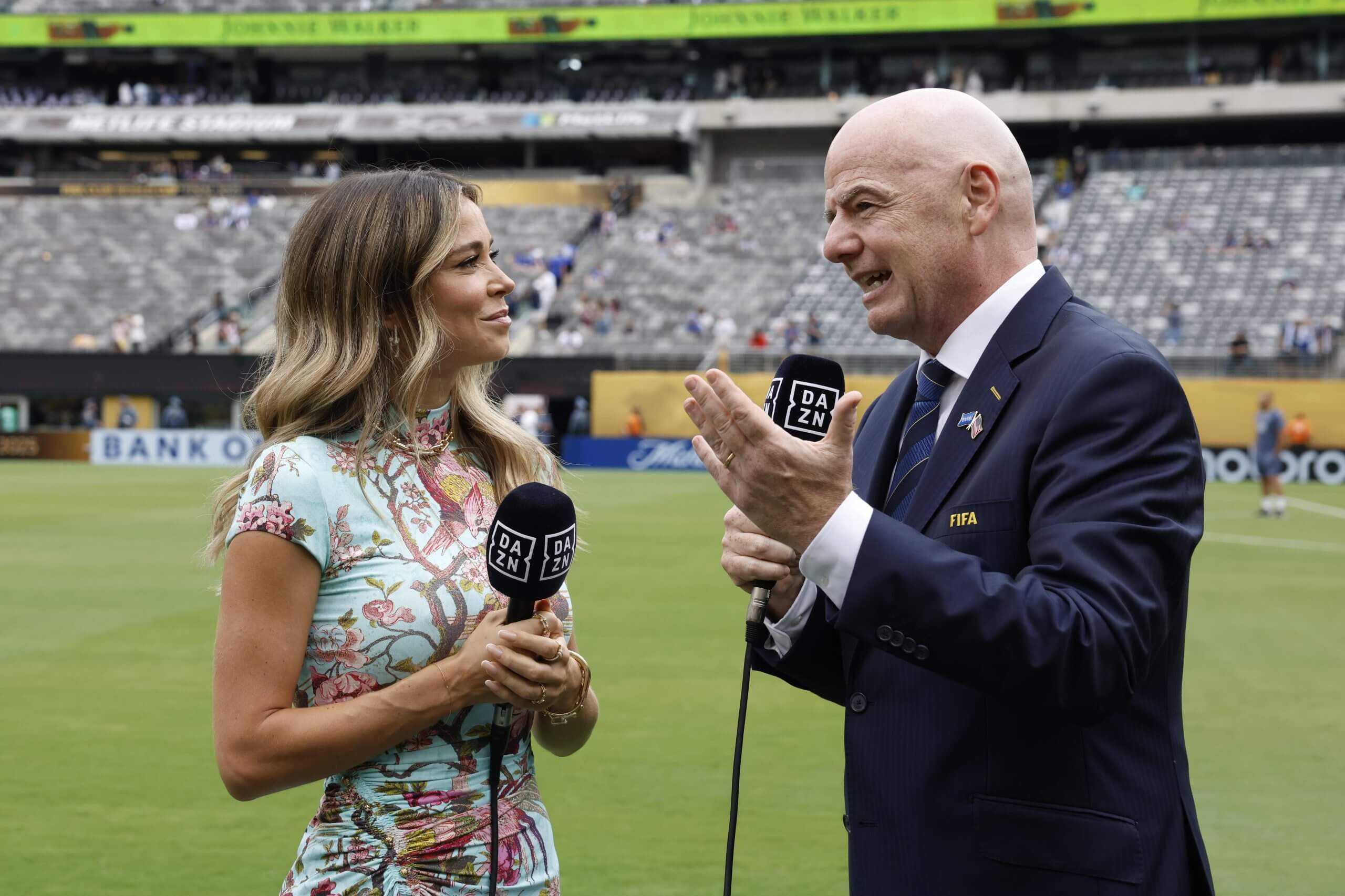
When DAZN acquired the global broadcasting rights to the Club World Cup for a reported $1 billion, many in the sports business world raised an eyebrow. Was the tournament truly worth such a valuation for a streaming platform still carving out its position in an increasingly fragmented landscape?
If you ask DAZN, the answer is a resounding yes.
Audience Growth Over Immediate Profit
While the short-term revenue picture might not yet sparkle, DAZN’s play was clearly strategic rather than transactional. The platform saw record-breaking sign-ups and engagement, notably achieving over 1 million new YouTube subscribers—a growth of more than 50%, according to Social Blade. This surge helped push total views to over 250 million across 30 days, with the final’s extended highlights alone drawing more than 17 million views.
This wasn’t just about acquiring eyeballs. It was about onboarding users into DAZN’s wider ecosystem—expanding the funnel of casual viewers, soft subscribers, and global sports fans who may eventually convert into long-term customers.
In that sense, DAZN wasn’t just a broadcaster. It became a marketing engine for FIFA’s revamped Club World Cup.
Innovation as Differentiation
From a production standpoint, the tournament didn’t reinvent the wheel. However, one new feature stood out: the referee body cam. While still pending approval by IFAB for broader implementation (such as in the Premier League), this angle added an immersive perspective that resonated with digital audiences and social media users alike. It may signal a future where interactive or cinematic elements become central to football’s broadcast evolution.
The Long Game
What’s more important is how this partnership positions DAZN for the long term. As Pierre Maes, a European sports rights expert, explained in The Athletic, DAZN proved its capability not just as a broadcaster but as a global distribution agency—facilitating sub-licensing and exposure across numerous territories. This dual role of content carrier and content broker could reshape how emerging properties like the Club World Cup are monetized moving forward.
FIFA, for its part, now sees a scalable model. While key details of the next edition—location, format, participant count—are still unconfirmed, FIFA will be emboldened to push for a deal that exceeds $1 billion in value, especially with expanded European involvement expected.
But is that ambition realistic?
The Risk of Oversaturation
The skepticism is real. Broadcasters have finite resources, and with an already packed football calendar, the Club World Cup risks being viewed as just another event—one that competes with domestic leagues, UEFA competitions, and international fixtures for both attention and budget.
As Maes pointed out, football may be in danger of over-commercializing itself. Unlike the NFL, which benefits from the scarcity of games and the eventized nature of each fixture, football continues to multiply competitions, diluting the significance of each one. There is a growing sense that rather than building value, the sport might be eroding it.
Final Takeaway
DAZN’s Club World Cup bet wasn’t just about numbers—it was about establishing global legitimacy, building data, and shaping perception. FIFA, too, sees potential in evolving the tournament into a billion-dollar media asset.
But the real challenge will be maintaining relevance in a saturated football economy. The next few years will reveal whether this was a forward-thinking media play — or a case study in the risks of overextension.
IMAGE: Getty Images