A potential mega-port acquisition spanning 43 global terminals has become the latest battleground in the geopolitical and commercial rivalry between China and the West.
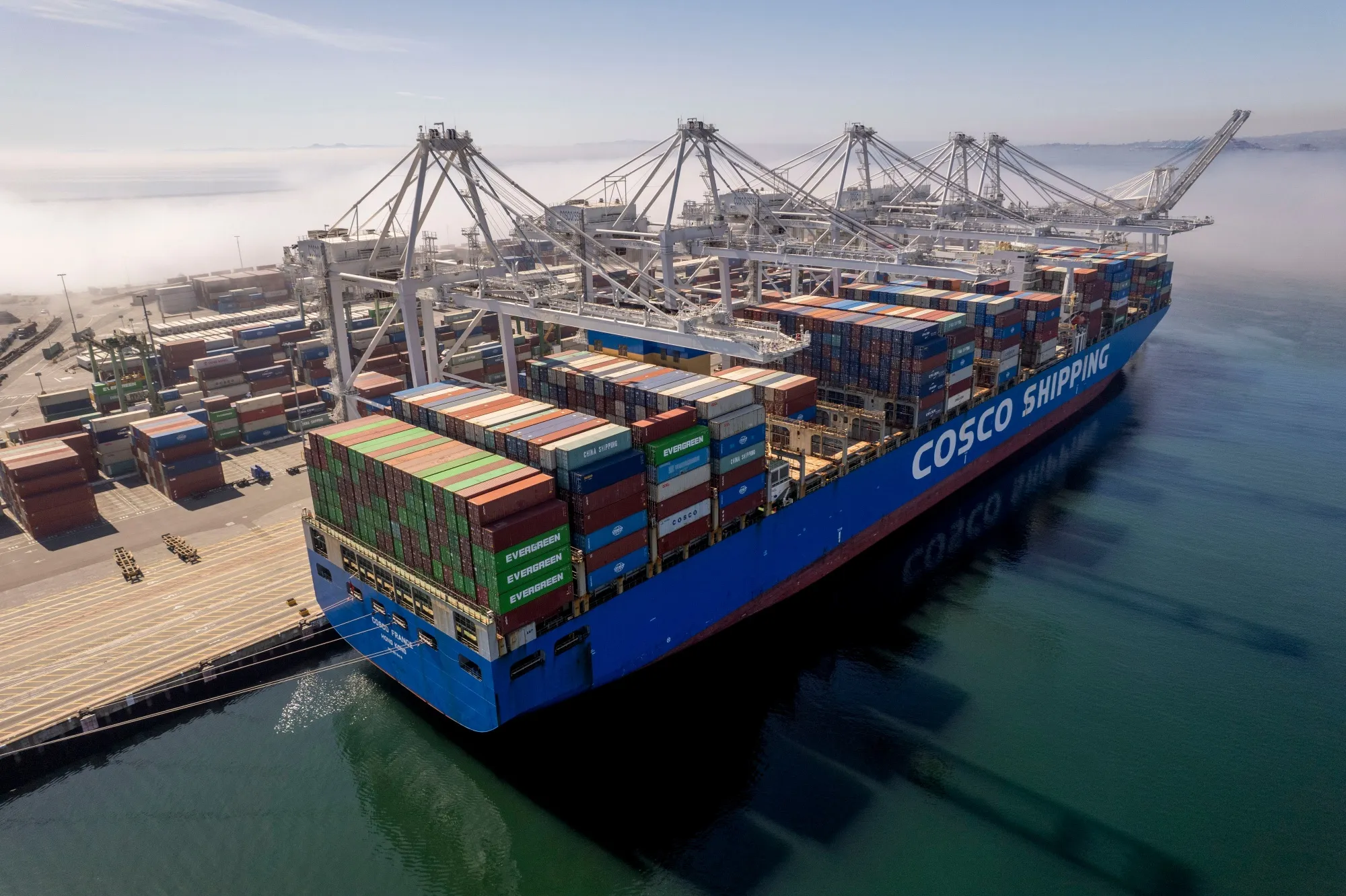
At the center of this high-stakes story is China Cosco Shipping Corp., the state-owned shipping giant. Cosco is actively negotiating its entry into the international consortium set to acquire the port assets of Li Ka-shing’s CK Hutchison Holdings, one of Asia’s most influential conglomerates.
But Cosco isn’t just looking for a seat at the table—it’s reportedly asking for veto powers or equivalent strategic influence within the group. According to those familiar with the matter, Cosco wants assurances that no decisions emerging from the new ownership structure could potentially undermine China’s national interests.
The stakes are particularly high due to the inclusion of two ports located on or near the Panama Canal, a globally critical maritime corridor and a sensitive geopolitical touchpoint for both China and the U.S.
Who’s at the Table?
The buyer consortium includes:
- Global Infrastructure Partners, a unit of BlackRock
- Terminal Investment Ltd., the port arm of MSC Mediterranean Shipping, owned by billionaire Gianluigi Aponte
Cosco is pushing for full transparency and access to operational data as part of its participation, which has already been granted. However, the final say on how much decision-making power Cosco will hold is still under negotiation.
The exclusivity period for the talks between CK Hutchison and the buyer group is expected to lapse by July 27, but insiders suggest Cosco’s role will likely be formalized by September.
Not Just a Deal — A Power Signal
This isn’t just a global logistics transaction. It’s a microcosm of the power struggle playing out between China and the U.S., with commercial infrastructure as the chessboard.
Former U.S. President Donald Trump once flagged this deal as a potential U.S. re-entry into Panama’s logistical influence. On the other side, Chinese regulators are reportedly keeping a close eye, wary that losing control over these ports may diminish China’s leverage in global shipping lanes.
The deal has already triggered downstream consequences. For example, Richard Li, the younger son of Li Ka-shing, has faced roadblocks expanding his insurance ventures into mainland China—believed to be a direct consequence of Beijing’s unease with the ports transaction.
China has also reportedly advised state-owned enterprises to freeze new dealings with companies linked to the Li family, suggesting just how deeply intertwined politics and business have become in this deal.
Strategic Portfolios, Strategic Intentions
For Cosco, this is more than protecting shipping lanes—it’s about strategic influence in global trade infrastructure, asserting presence where it matters most.
For investors, policymakers, and global strategists, the message is clear: infrastructure assets—especially ports—are no longer just about commerce. They are becoming instruments of national influence, regulatory pressure, and soft power.
As 365247 Media continues to track the intersection of business, diplomacy, and infrastructure, this story is a stark reminder that control of ports is control of the future.
IMAGE: Bloomberg