As the 2025 college football season kicks off—widely billed as one of the strongest opening-weekend schedules in history—the spotlight is not only on the field but also firmly on the balance sheet. More than ever, the business of college football is being defined by one word: revenue.
The New Economics of the Game
The financial dynamics of college football have shifted dramatically in recent years. With rising costs, the demands of NIL (Name, Image, and Likeness) payments, facility upgrades, and media rights battles, programs are under mounting pressure to generate new income streams. Traditional ticketing and broadcast deals no longer tell the full story. Schools are being forced to innovate—sometimes in unexpected ways.
Oklahoma’s Bold Experiment
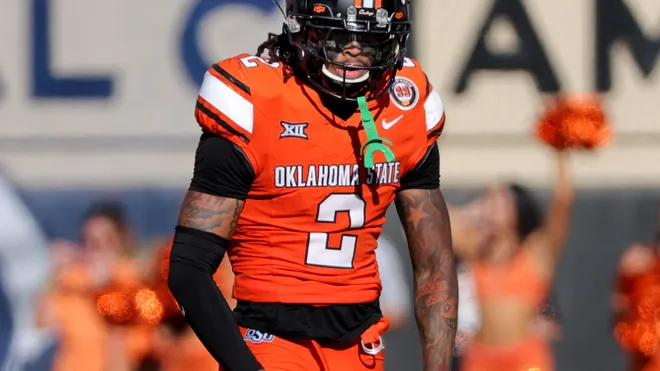
One of the clearest examples comes from the University of Oklahoma. In a move that underlines just how aggressively programs are chasing fresh revenue, the Sooners recently offered fans the chance to attend the postgame media session with coaches.
The price? $461.61 for a pair of passes to the press conference following their matchup with FCS opponent Illinois State. The result? It sold out.
For the university, this was more than a gimmick. It’s a signal that fans are willing to pay premium prices for exclusive, behind-the-scenes access. For the broader market, it raises the question: how far can programs go in monetizing experiences traditionally reserved for media and insiders?
Beyond Tickets: The Experience Economy
The Oklahoma example is just one indicator of a wider trend. College football programs are now tapping into what can be described as the experience economy—where the value lies less in the game itself, and more in unique, once-in-a-lifetime access.
Whether it’s locker room tours, sideline passes, meet-and-greets, or now even entry into press conferences, universities are looking at every aspect of game day and asking: can this be monetized?
This approach reflects a broader reality across the sports industry: fans are no longer satisfied with simply watching. They want to feel like participants, insiders, and stakeholders.
What It Means for the Future
If Oklahoma’s success is any indication, other programs will likely follow suit. The challenge for schools will be striking a balance—monetizing access without eroding the authenticity of the experience. For the NCAA and conferences, it also poses a strategic question: how far should commercialization go before it starts to impact tradition and fan perception?
But one thing is clear: in 2025, college football’s ultimate scoreboard isn’t just on the field—it’s in the bank.
Partner With Us
Want to feature your brand, business, or service on 365247 — Whether you’re looking to sponsor, collaborate, or build presence within our ecosystem, we’d love to explore it with you.
Submit your interest here