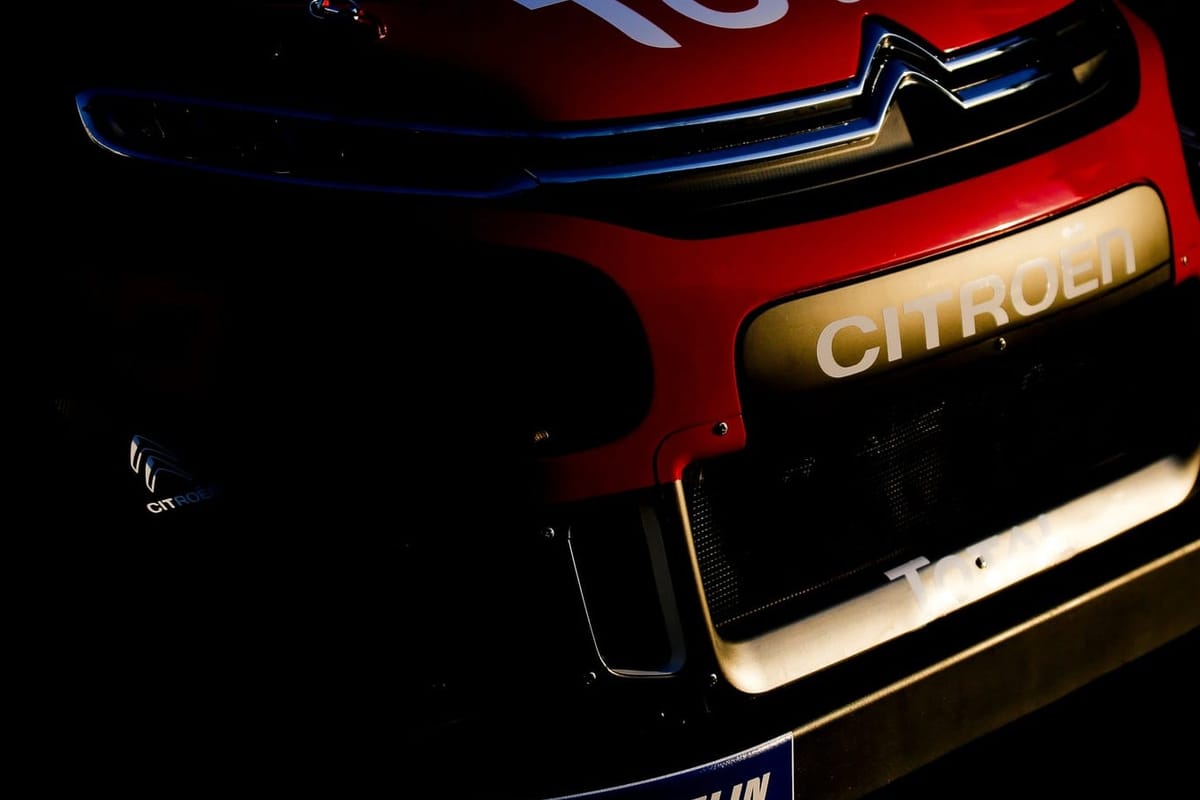
Citroën has officially confirmed its entry into the Formula E World Championship, stepping in to replace Maserati as the manufacturer partner of the MSG team. The move marks Citroën’s return to global motorsport for the first time since 2019, when it exited the World Rally Championship after a dominant era that delivered nine world titles with Sébastien Loeb.
The debut will come at the São Paulo E-Prix in December 2025, with an all-star driver line-up featuring Nick Cassidyand Jean-Eric Vergne—creating one of the strongest pairings on the grid.
Why Citroën, Why Now?
While Citroën has a modest history in single-seater racing, its motorsport pedigree is unquestionable. From World Rally Championship dominance to Dakar triumphs and multiple World Touring Car titles, the French marque has always been a force when it commits.
The brand’s re-entry into world championship racing aligns with Stellantis’ broader electrification strategy. Every new Citroën road car is now available in hybrid or fully electric form, making Formula E a natural showcase for its technology and vision.
Stellantis’ decision also reflects strategic portfolio management: Maserati has scaled back its electric roadmap, while Citroën offers a better fit for the Gen4 era of Formula E starting in 2026.
Maserati’s Missed Opportunity
Maserati’s three-year stint in Formula E will be remembered as a “what might have been.” Despite race wins from Maximilian Günther and Stoffel Vandoorne, the project was plagued by structural and commercial challenges.
The partnership with MSG lacked long-term stability, and financial complications limited the scope of Maserati’s involvement. By spring 2025, MSG required intervention from Formula E Operations, leaving Maserati unable to commit fully to the project.
Citroën’s arrival is designed to reset that narrative, bringing stability, brand alignment, and renewed ambition to the MSG operation.
The Road Ahead: Can Citroën Win Immediately?
In the short term, expectations are tempered. Citroën will inherit the same hardware as DS Penske, and while Cassidy and Vergne are among the grid’s most experienced and decorated drivers, the MSG team lags behind rivals in engineering depth and technical resources.
The real transformation is expected in the Gen4 era (from 2026), when operations are likely to shift from Monaco to Stellantis Motorsport’s Satory base in Paris. There, Citroën will have direct access to Stellantis’ innovation hub and rally-bred expertise.
For now, 2025/26 will be a season of rebuilding and preparation, with Cassidy and Vergne central to car development. The realistic target is competitiveness in the medium term, with a genuine title push expected once Gen4 machinery debuts.
A Strategic Play for Stellantis
Citroën’s entry gives Stellantis a two-pronged Formula E presence, alongside DS Penske. With Opel also rumored to join in Gen4, Stellantis appears to be hedging its bets across multiple brands—leveraging Formula E not just as a sporting platform, but as a showcase for electrification across its portfolio.
This move also signals a broader trend: manufacturers are increasingly using Formula E as a marketing and technology testbed. While some, like Maserati, have struggled, others see the championship as a bridge between automotive innovation and urban, youth-focused fanbases.
365247 Insight
Citroën’s Formula E return is less about short-term results and more about long-term positioning. For Stellantis, this is a brand revitalisation play—aligning Citroën’s historic motorsport credibility with its electric future.
The lesson here:
- Iconic legacy + future-facing strategy = commercial credibility.
- Motorsport must mirror brand identity, not work against it. Maserati’s struggles show what happens when the alignment isn’t there.
- Formula E remains a valuable platform for manufacturers to speak directly to the next generation of fans and consumers.
The question now: Can Citroën turn heritage into performance and establish itself as a leading electric racing brand by the time Gen4 arrives?