Chipotle’s Q2 earnings laid bare the struggles of even the strongest fast-casual brands in today’s volatile consumer landscape. Amid shifting sentiment, the burrito giant is contending with declining traffic, a shaken value narrative, and a new leadership team tasked with navigating a tough macroeconomic reset.
The Numbers: Not Just a Miss—A Warning Sign
Same-store sales dropped by 4%—a sharper fall than market watchers anticipated. Foot traffic also declined by 4.9%, marking the second consecutive quarter of contraction and the steepest drop since 2022.
The result? Chipotle stock slid over 12% in early trading following the earnings release, reflecting investor skepticism around both immediate growth potential and long-term brand defensibility.
Revenue fell short, reaching $3.06 billion against the Street’s $3.11 billion forecast. While earnings per share met expectations at $0.33 (adjusted), the disappointment on topline growth and traffic was unmistakable.
Leadership Tone: Measured, But Not Defensive
Newly appointed CEO Scott Boatwright struck a pragmatic tone on the investor call, citing a “volatile consumer environment” and “macro headwinds” but emphasizing that the brand still maintains momentum in certain regions and segments.
“We’re seeing a temporary pullback from lower-income customers, but recovery is already visible in June-July,” Boatwright noted, adding that broader consumer sentiment—not brand fatigue—is the central challenge.
Still, the company has revised its full-year forecast, now expecting flat same-store sales instead of the previously projected low-single-digit growth. That shift signals both realism—and an urgent need to regain ground.
The Value Dilemma: Brand Equity vs. Perceived Worth
A subtle but significant concern emerged from Boatwright’s comments: Chipotle’s value proposition may be losing resonance.
“We need to better communicate the value we offer relative to fast food and fast-casual peers,” he said, pointing to a potential disconnect between price perception and consumer loyalty. It’s a red flag not just for Chipotle, but for an entire segment navigating price-sensitive consumers and rising competition from both grocery and QSR formats.
Product Moves: Innovation on the Menu, But Timing Matters
The recent launch of Adobo Ranch, the brand’s first new dip since Queso Blanco, showed signs of promise. According to analysts, it marginally boosted both foot traffic and spend per visit, suggesting that targeted, high-margin menu extensions can still move the needle.
Sides and limited-time offers (LTOs) are likely to take center stage in the second half of the year, alongside a renewed push around rewards members and catering.
“We’re confident that more innovation, better communication, and catering will help us return to mid-single-digit growth,” said CFO Adam Rymer.
The Bigger Picture: Navigating a Fork in the Road
Chipotle’s Q2 is more than just a dip in earnings—it’s a reminder that even premium casual brands must constantly recalibrate their value story and innovate with urgency. With tariff-related cost pressures expected to add nearly 0.9%to input costs over the next two quarters, margin management will be key.
The brand’s ability to rebound now rests on how convincingly it can blend product creativity, pricing strategy, and digital loyalty—without diluting the premium edge it’s spent years cultivating.
Bottom line? Chipotle still has brand equity, operational control, and a fan base—but it needs to turn sentiment, fast. If Q3 doesn’t show an uptick in transactions, investors might start asking deeper questions about the elasticity of even the most beloved fast-casual chains.
Partner With Us
Want to feature your brand, business, or service on 365247 — Whether you’re looking to sponsor, collaborate, or build presence within our ecosystem, we’d love to explore it with you.
Submit Your Interest Here
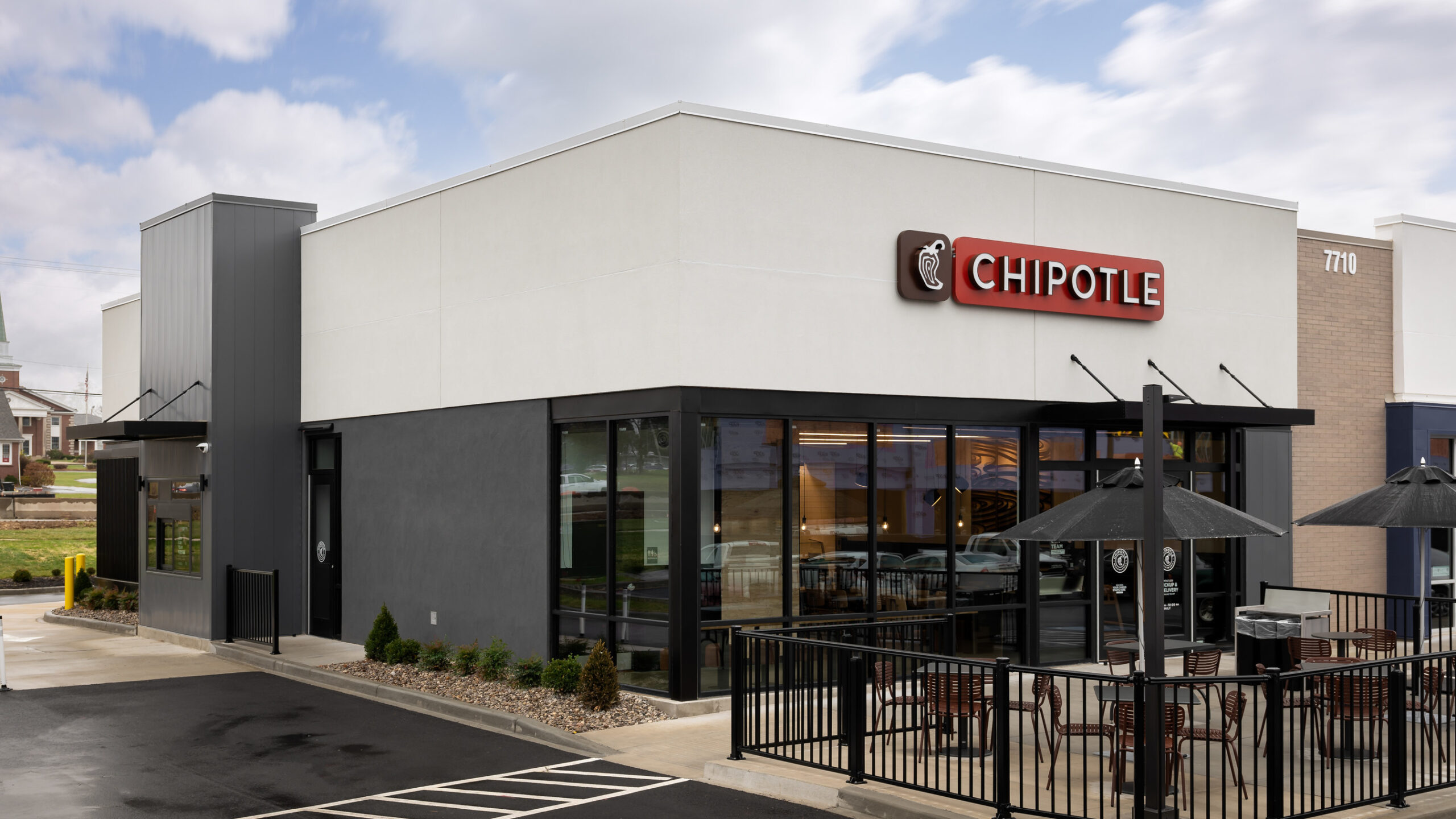
IMAGE: Chipotle Mexican Grill Inc.