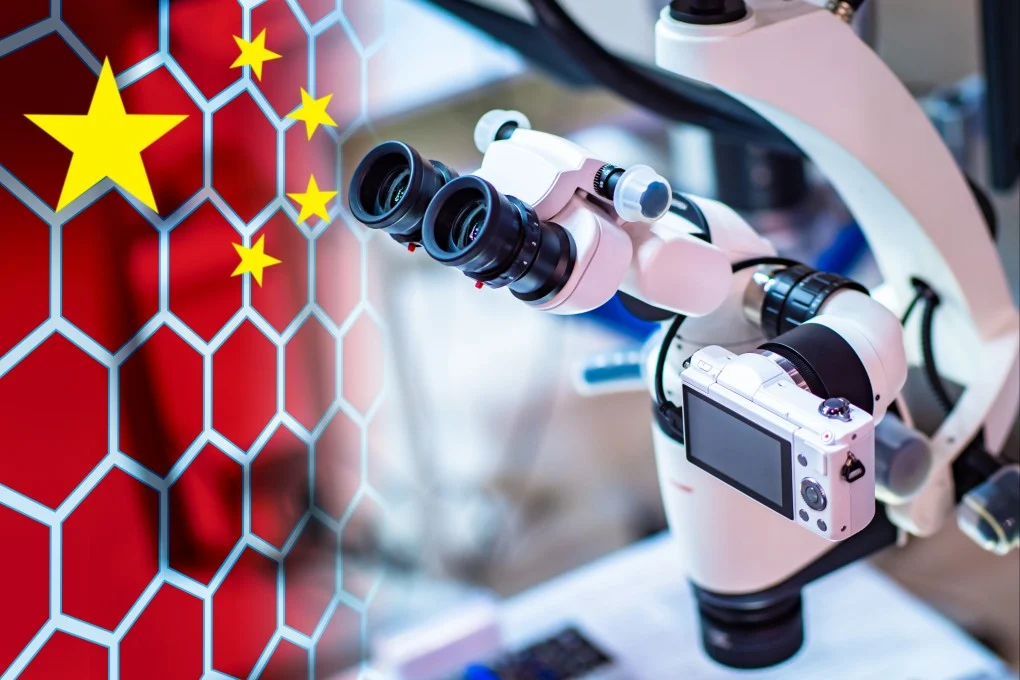
In a paradigm shift that few in the West saw coming, China is no longer playing catch-up in the biotech arms race — it’s actively redrawing the map.
As of 2024, over 1,250 innovative drug candidates are under development in China, a figure that puts the country nearly neck-and-neck with the United States and well ahead of the European Union. This is more than just a volume story. It reflects a quality evolution that’s shaking the global pharmaceutical hierarchy.
Take Akeso, for instance — a firm that has developed immunotherapies now outperforming benchmark drugs like Merck’s Keytruda in clinical trials. In an industry where credibility and data are king, this kind of performance is generating major global attention. And it’s not isolated. China’s drug development landscape has undergone a dramatic shift, driven by aggressive regulatory reforms, the return of globally trained scientific talent, and an R&D ecosystem operating at unmatched speed.
According to recent findings by Norstella, China now receives more expedited drug reviews than the EU — an indication that even Western regulators are watching closely.
The West Is Buying In
Major pharmaceutical firms aren’t standing on the sidelines. In 2024 alone:
- Pfizer signed a $1.2 billion upfront agreement with 3SBio
- Summit Therapeutics paid $500 million for global rights to a promising cancer therapy developed by Akeso
These deals aren’t outliers — they’re part of a calculated pivot toward China as a cost-effective, high-output innovation partner. China’s large, consolidated hospital systems and deep patient pools allow clinical trials to be executed in half the time and at significantly lower cost compared to Western markets. The result? More trials, more data, and more licensing-ready products.
Whether in cell therapy, oncology, or metabolic disease, Chinese biotechs are no longer an emerging force. They’re becoming foundational to the global pipeline.
Regulatory Caution Remains — For Now
Despite the speed and quality of development, U.S. regulators still expect global-standard validation, and approval based solely on China-sourced clinical data remains rare. Meanwhile, growing geopolitical friction between China and the West is prompting caution over supply chain dependencies and technology transfer.
But the underlying trend remains impossible to ignore. Over the last five years, the number of Chinese biotech companies ranked among the world’s top innovators has quadrupled.
The question is no longer if China will lead the next biotech wave — it’s how soon and how broadly that leadership will manifest.
IMAGE: Shutterstock