CREDIT: The Athletic
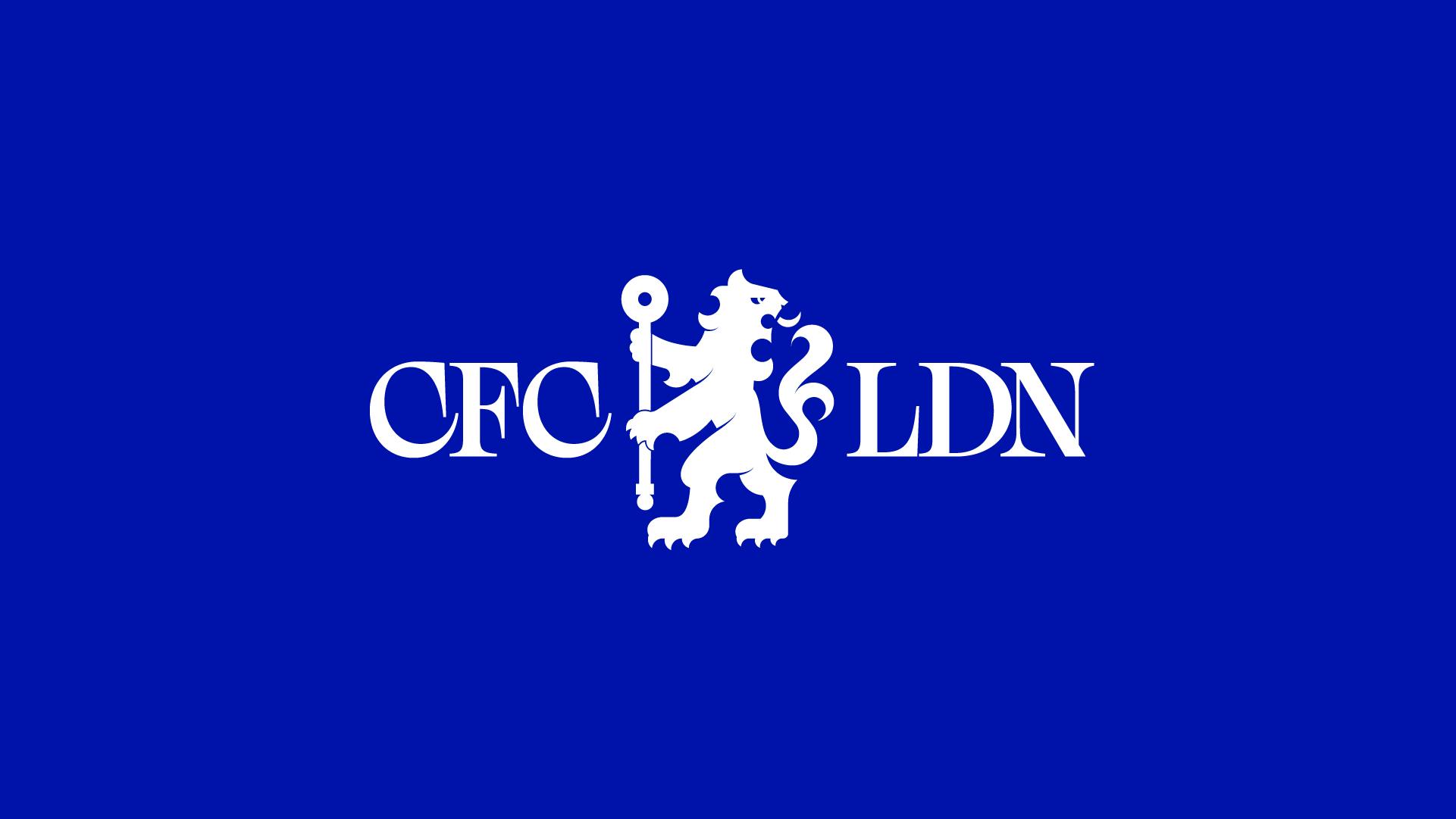
Chelsea Football Club has rolled out a bold new brand identity: CFC LDN. While at first glance it may look like a simple visual refresh, the move has sparked debate among fans and industry insiders alike. Is it a smart attempt to expand global market reach, or is there something deeper—perhaps even strategic legal positioning—at play?
The Core of the Theory: A Loophole Around Stamford Bridge?
Some online speculation suggests that the new “CFC LDN” branding may be a clever way to sidestep the authority of Chelsea Pitch Owners (CPO), the group that owns both the club’s historic stadium, Stamford Bridge, and the rights to the name Chelsea FC.
CPO was formed to safeguard the club’s home and heritage. Under a 199-year lease signed in 1997, Chelsea cannot relocate or use the “Chelsea FC” name elsewhere without CPO’s blessing. For any stadium move, a supermajority of 75% approval from CPO shareholders would be required.
So when branding like “CFC LDN” starts popping up around the Bridge, fans naturally begin to wonder: Is this a rebranding in disguise?
Club Sources Deny Any Hidden Agenda
According to club insiders and members of CPO’s board, these concerns are unfounded. The “CFC LDN” identity isn’t a replacement for the Chelsea FC name or crest. Instead, it’s a marketing asset—a tool to help the club grow its global brand recognition, especially in markets less familiar with English geography.
What Is “CFC LDN”?
The new lion-themed visual identity was created by Uncommon Creative Studio, with work beginning in early 2024. The design emphasizes Chelsea’s connection to London, aiming to make that link more obvious to international fans who may not know the Chelsea district or its location within the capital city.
The branding has already appeared in promotions for global events, including striker Jimmy Floyd Hasselbaink’s visit to China. Slogans like “The Famous CFC” and “From London to the World” accompany the visuals.
As Uncommon co-founder Nils Leonard explained, the mission was to develop a future-facing identity that expresses both “London-ness” and uniqueness in a crowded global football market.
Why Emphasize London?
From a strategic perspective, the move makes sense. With international competitions like the Club World Cup in the U.S. and the 2026 FIFA World Cup fast approaching, Chelsea is vying to deepen ties with audiences in North America and Asia.
In the Premier League, many club names don’t indicate their location, which can be a barrier for new fans abroad. By pushing the “London” connection, Chelsea aims to tap into the global draw of the UK’s capital.
Richard Busby, CEO of BDS Sponsorship, points out that this positioning mirrors successful naming conventions in leagues like Italy’s Serie A, where clubs are closely associated with their cities.
Trademark Strategy: A Long-Term Play
Chelsea has already locked down trademarks for the new lion icon through 2034, covering a wide range of categories—from physical merchandise to digital assets like NFTs. Licensing expert Natasha Dyson noted that even if not every product is launched immediately, securing the trademark now is a strategic move to prevent imitation and allow for future expansion.
Can It Generate Revenue?
While the redesign and international marketing come with substantial costs—likely into six figures—there’s reason to believe the new branding could pay off in merchandise sales. Whether or not fans in London or Manchester warm to the change, a hoodie or cap featuring “CFC LDN” might appeal to fans in New York, Shanghai, or Tokyo.
Busby, though skeptical about the short-term commercial upside, concedes there’s a strong case for merchandise-driven returns: “If you think about selling merchandise, then they could make a lot of money from this. And maybe they think putting London on the merchandise will increase sales.”
A Modern Identity in a Crowded Market
With Chelsea celebrating its 120th anniversary, the club is using this milestone not only to honor its past but also to evolve its identity for the future. In a city saturated with football clubs—Arsenal, Tottenham, West Ham, Crystal Palace, Brentford, and Fulham—the competition for attention is fierce.
By rebranding as “London’s true club,” Chelsea is staking its claim not just on the pitch but in the marketplace of global football culture.
Whether this branding shift becomes a revenue-generating powerhouse or fades into the background remains to be seen. But one thing is clear: Chelsea is thinking big, and thinking global.