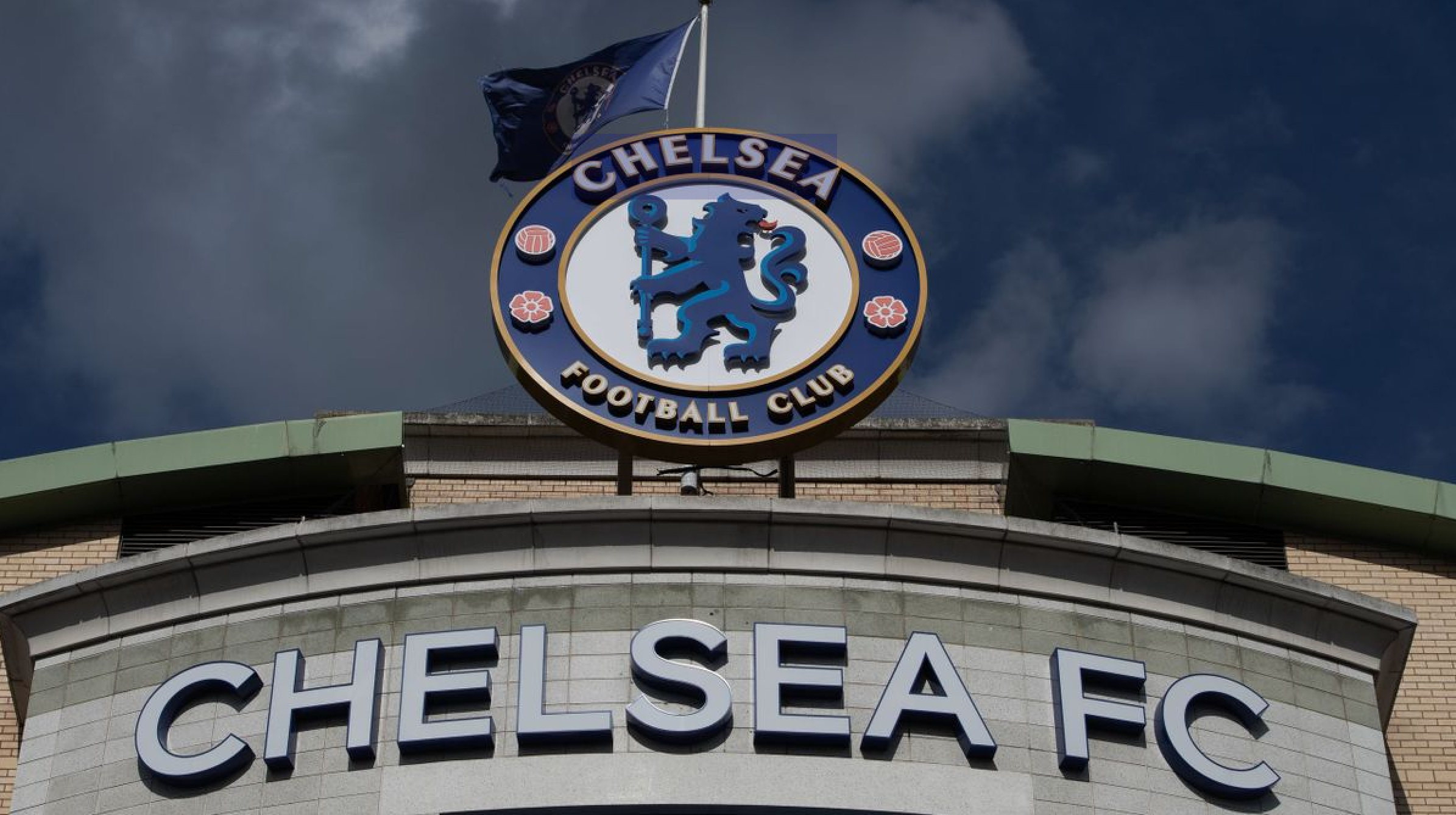
The English Football Association (FA) has charged Chelsea FC with 74 alleged breaches of its regulations relating to agent payments, intermediaries, and third-party investment in players.
The charges cover activity between 2009 and 2022, with particular focus on transfers made during the Roman Abramovich era between 2010 and 2016. Chelsea maintain that all discrepancies stem from the club’s previous ownership and that they were self-reported during the 2022 takeover by the Todd Boehly-Clearlake consortium.
What the Charges Involve
The FA has cited violations of several of its rules, including regulations on football agents, intermediaries, and third-party ownership. In simple terms, the allegations center on undisclosed payments linked to player transfers, which were not reported in official accounts.
Transfers under scrutiny include:
- Eden Hazard’s £32m move from Lille in 2012
- Willian’s £32m transfer from Anzhi Makhachkala in 2013
- Samuel Eto’o’s free transfer from Anzhi in 2013
There is no suggestion of wrongdoing by the players themselves. Rather, the concern is that irregular accounting could have been used to gain a sporting advantage by skirting profit and sustainability rules.
Self-Reporting Under Boehly-Clearlake
When the Boehly-Clearlake group purchased Chelsea in May 2022, they flagged potential irregularities uncovered during due diligence. The consortium withheld £100m from the £2.5bn sale price, citing “unforeseen liabilities.”
Upon completion, Chelsea voluntarily disclosed findings to the FA, Premier League, and UEFA, handing over historical files and committing to full transparency. The club has since cooperated with every request for further information.
Chelsea’s position is that while irregularities occurred under the Abramovich regime, the club would have passed profit and sustainability thresholds even if all payments were properly recorded.
Possible Outcomes
Chelsea have until September 19 to formally respond to the FA charges. An independent commission will then determine sanctions, which could range from:
- Financial penalties (fines or settlements)
- Points deductions in the Premier League
- Transfer bans or restrictions
Chelsea hope their proactive self-reporting and cooperation will mitigate sanctions, pointing to UEFA’s precedent in 2023 when the club was fined £8.6m for incomplete financial reporting under Abramovich.
Governance Under the Microscope
While the FA statement was brief, legal experts argue the investigation raises broader governance questions. Why did irregularities go unnoticed by the FA, Premier League, and UEFA for over a decade? How can financial reporting systems across football be made more robust?
For Chelsea’s new owners, the issue is reputational as much as financial. Having positioned themselves as reformers, they now face the task of proving that transparency can be an asset rather than a liability.
365247 Consulting Insight
The Chelsea case underscores three wider truths about modern football:
- Legacy liabilities are real – Buyers of elite clubs must account for financial and legal risks that may surface years later. Due diligence and self-reporting are critical.
- Transparency is strategy – By flagging issues early, Chelsea aim to shape the narrative. In an era of tighter regulations, openness can soften sanctions.
- Governance is catching up – The FA and Premier League are under pressure to tighten oversight. Clubs should expect deeper scrutiny of agent fees, third-party deals, and financial reporting.
The lesson for stakeholders: football is entering a phase where financial governance is as decisive as on-pitch performance.
For Brands, Businesses and Services, feature in our posts
IMAGE: Getty Images