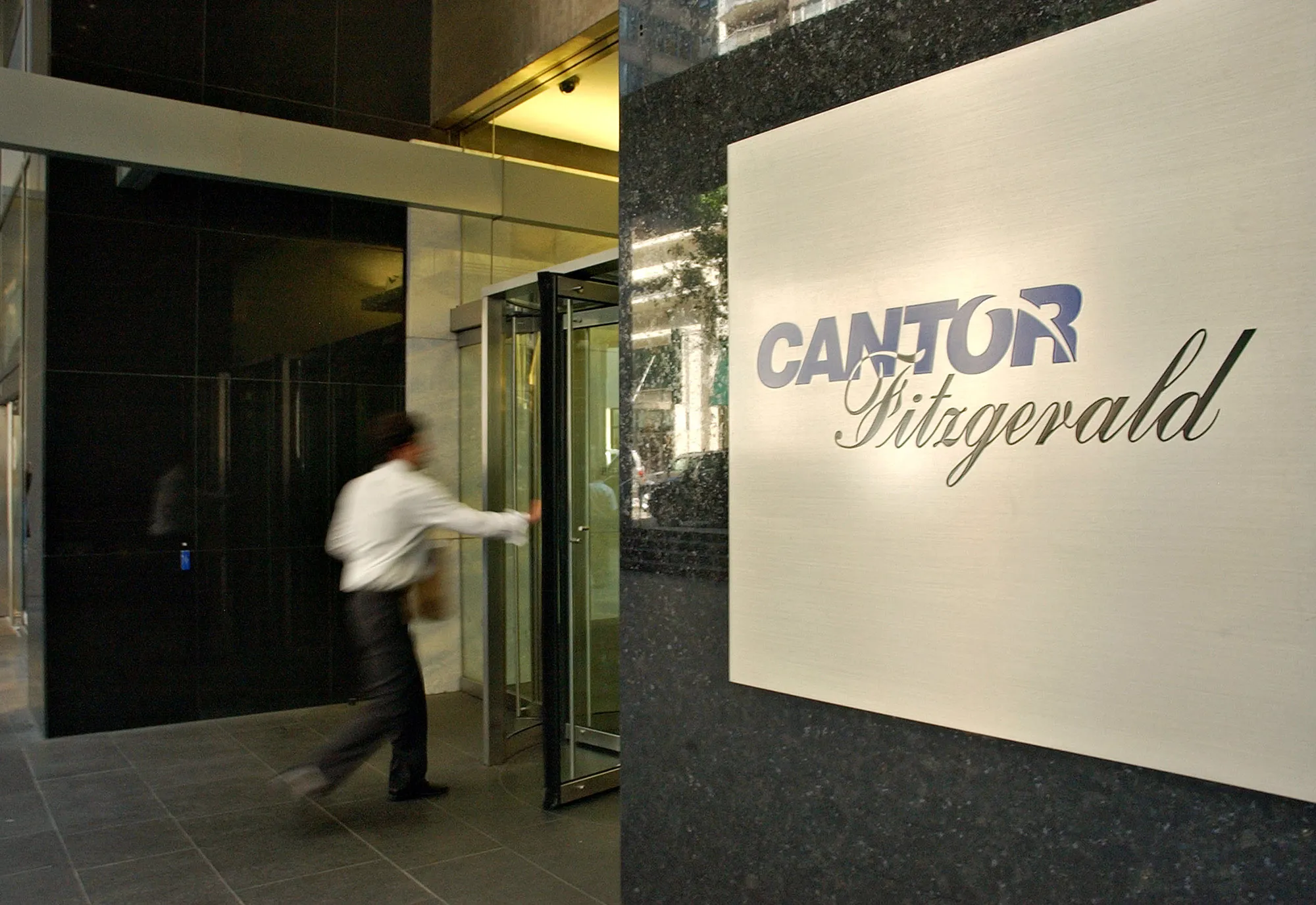
A bold, high-stakes push into digital assets is unfolding—this time not from Silicon Valley’s tech elite, but from the legacy corridors of Wall Street. Cantor Fitzgerald, a name synonymous with traditional finance, is engineering one of the most aggressive bitcoin acquisition strategies seen to date, using special purpose acquisition companies (SPACs) as the instrument of scale.
The Deal in Focus
Brandon Lutnick, recently appointed Chair of Cantor Fitzgerald and son of U.S. Commerce Secretary Howard Lutnick, is reportedly close to finalizing a multi-billion-dollar transaction with Adam Back, founder of crypto infrastructure firm Blockstream Capital. The vehicle for this move? Cantor Equity Partners 1, a blank-cheque company that raised $200 million in January 2025.
The anticipated agreement could see the vehicle acquire over $3 billion worth of bitcoin, with additional external capital potentially pushing the deal value north of $4 billion. This comes just months after a similar $3.6 billion bitcoin transaction led by Lutnick alongside SoftBank and Tether.
According to those familiar with the matter, the current deal could close within days and would result in the SPAC being renamed BSTR Holdings. As part of the arrangement, Blockstream would contribute up to 30,000 bitcoin in exchange for equity in the new entity, while also aligning with outside investors to fuel further crypto buys.
Cantor’s Grand Crypto Strategy
With this transaction, Cantor Fitzgerald positions itself as one of the most active institutional bitcoin buyers globally. Between BSTR Holdings and its other SPAC, Twenty One Capital, the brokerage could accumulate close to $10 billion in digital assets by year-end.
Unlike the traditional, infrastructure-oriented approaches seen in institutional crypto adoption, Cantor’s model is centered around direct bitcoin acquisition—echoing the strategy of MicroStrategy, which has turned itself into a quasi-bitcoin holding company under the leadership of Michael Saylor.
Why Blockstream Matters
This isn’t just a liquidity play—it’s an ideological alignment. Adam Back is a foundational figure in the cryptocurrency movement, cited in the original Bitcoin white paper by the pseudonymous creator, Satoshi Nakamoto. His cryptographic work—particularly Hashcash—laid the groundwork for Bitcoin’s proof-of-work system.
Blockstream itself is one of the earliest and most respected blockchain companies, with backing from heavyweight VCs such as Khosla Ventures and Baillie Gifford. The company’s alignment with Cantor elevates the deal from transactional to symbolic: a fusion of old finance and cypherpunk principles.
Strategic Takeaways: Why This Matters
- Bitcoin as Institutional Asset: This is another firm declaration that bitcoin is moving from speculative territory into long-term treasury strategy for large-scale investors.
- SPACs as Bitcoin Vehicles: The use of blank cheque companies to acquire and hold crypto assets is emerging as a new category of financial innovation—an offshoot of the bitcoin ETF movement.
- Wall Street-White House Nexus: With Brandon Lutnick assuming the top role at Cantor and his father now serving in the U.S. cabinet, the deal also reflects the rising entanglement of government, financial infrastructure, and digital currencies.
- Global Capital Recalibration: With Europe slow to regulate and Asia still fractured on crypto policy, the U.S.—especially in the Trump-era deregulatory climate—is fast becoming the new engine room for institutional bitcoin deployment.
- A New Class of Asset Aggregators: Entities like Cantor, Trump Media & Technology Group, and Pompliano’s SPAC are reshaping how digital assets are bundled, financed, and held—not just as investments, but as long-term capital reserve assets.
IMAGE: Bloomberg