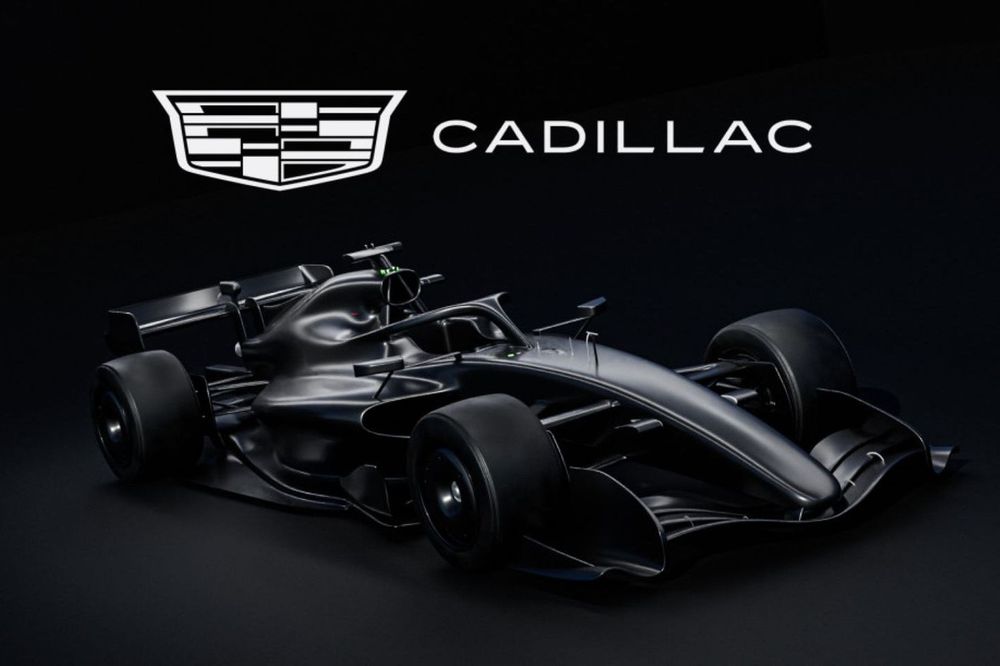
Cadillac’s dramatic entry into Formula One is not just a corporate move — it’s a cultural inflection point. Under the guidance of seasoned motorsport strategist Graeme Lowdon, the American automotive titan is preparing to race in Melbourne next season, staking its claim as the first major American manufacturer to build an F1 team from scratch in the modern era.
The journey has been nothing short of audacious. Spanning over 764 days before official approval arrived in March, the General Motors-backed Cadillac F1 project took shape in transatlantic fashion. With headquarters in Silverstone, UK, and facilities across Indiana, Michigan, and North Carolina, the operation is emblematic of American ambition, engineering prowess, and long-term motorsport strategy.
Built Before Approval: The Power of Commitment
Unlike typical F1 entries, Cadillac’s was built on uncertainty. They began hiring staff and developing infrastructure long before any green light from FIA. That risk paid off. A 400,000-square-foot base in Indianapolis, Ferrari power units until 2029, and over 300 staff later, Cadillac is almost ready for the grid.
When Lowdon, originally a consultant on the project, was asked to lead, he laid out a simple but bold plan: start building. From understanding FIA’s opaque entry process to building a works-level team without official confirmation, Cadillac’s project management under pressure stands as a case study in calculated risk.
F1’s American Transformation
Liberty Media’s acquisition of F1 ushered in an American renaissance. Netflix’s “Drive to Survive” turned drivers into rockstars and the paddock into primetime. U.S. races in Miami, Austin, and Las Vegas set the stage. The only missing piece? A top-tier American team. Enter Cadillac.
Cadillac’s F1 effort is expected to cost close to $1 billion, including a $450 million entry fee. It’s a symbolic moonshot, a bet that engineering excellence, brand strength, and media-savvy execution can challenge the dominance of Ferrari, Red Bull, and Mercedes.
The Next Great American Motorsport Narrative?
Driver speculation is heating up. Names like Valtteri Bottas, Sergio Perez, Zhou Guanyu, Mick Schumacher, and American IndyCar star Colton Herta are linked. The dream scenario? An American driver taking down Verstappen on the final lap of a championship showdown.
Cadillac brings something new: a mix of endurance racing DNA, innovative tech, and a fan-first approach. Lowdon believes in diversity of thought and execution — Cadillac won’t mimic Haas or Mercedes. It will chart its own course.
What Cadillac’s F1 Play Teaches Global Brands
- Brand Legacy Is a Platform, Not a Limitation
- Cadillac leveraged over a century of innovation and motorsport heritage to launch a forward-facing, globally resonant strategy.
- Calculated Uncertainty Is Strategic Currency
- By committing resources before approval, Cadillac proved that confidence, not certainty, builds momentum.
- Talent Strategy Is Market Strategy
- Cadillac’s recruitment of over 300 employees before regulatory sign-off underscores the importance of timing and belief in human capital.
- Transatlantic Structures Enable Global Agility
- Having bases across the U.S. and U.K. enabled Cadillac to scale fast, localize expertise, and comply with both F1 and regional operational standards.
- F1 Is a Global Stage for Lifestyle and Soft Power
- This isn’t just racing — it’s a geopolitical, brand-building, and tech showcase that Cadillac intends to win.
Is Your Brand Ready for the Global Stage?
At 365247 Consultancy, we help visionary brands navigate high-stakes expansions, unlock new markets, and build sports-led strategies with cultural relevance and commercial scale. Whether you’re entering motorsport, entertainment, or a new region — it’s not just about playing the game. It’s about changing it.
Book a Strategy Call today and let’s explore how your next big leap can be as bold as Cadillac’s.
IMAGE: FIA