Credit: Adapted from The Athletic
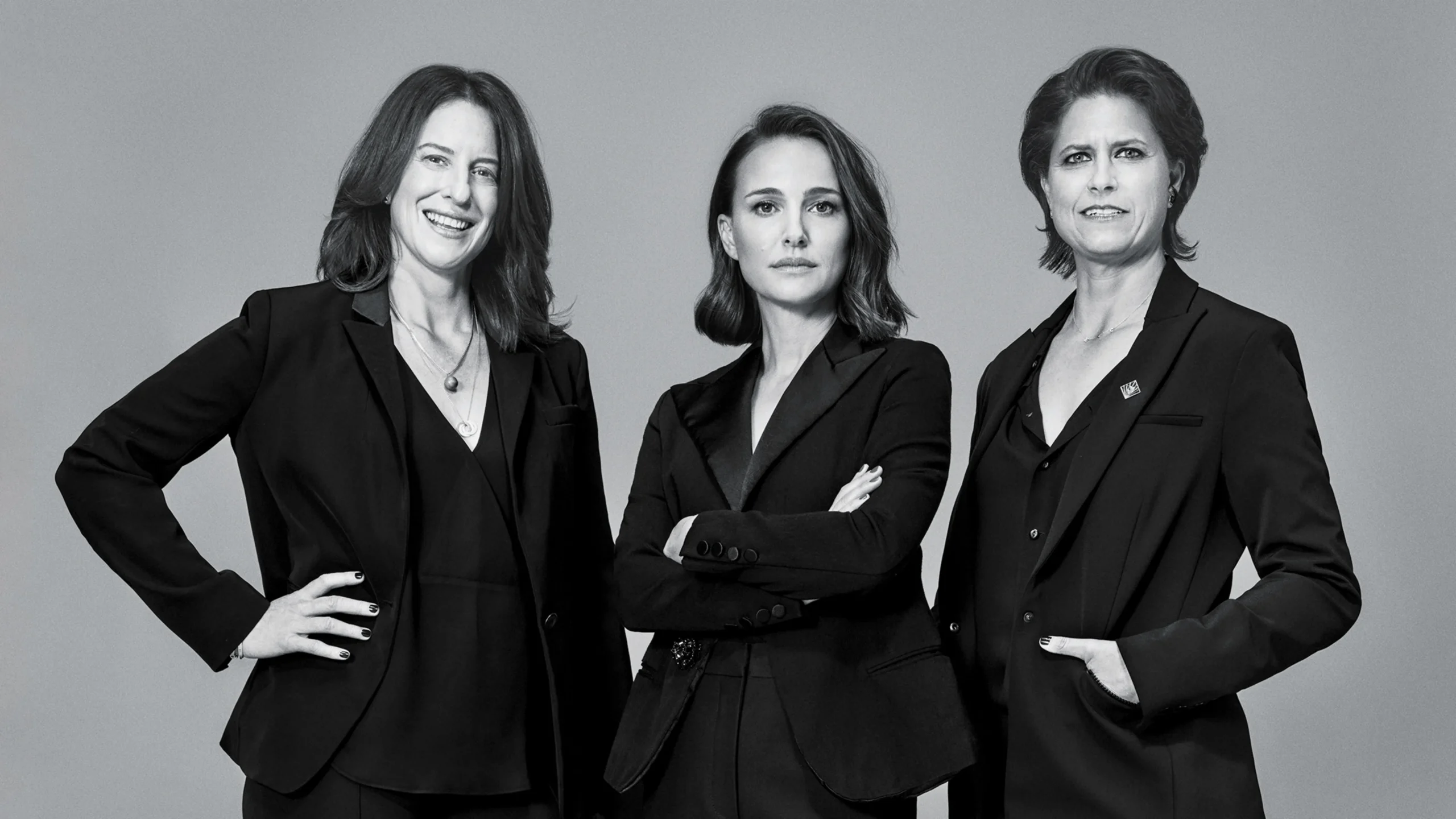
In today’s high-stakes world of sports investment, a select group of visionary investors in women’s soccer are not just backing individual teams — they’re building global empires.
The multi-club ownership (MCO) model, long dominant in men’s soccer, is quietly reshaping the women’s game. What sets this movement apart is the distinct profile of its backers: experienced operators with deep pockets and a steadfast belief that women’s soccer is not charity but a smart, lucrative business opportunity — a conviction still relatively rare in sports ownership circles.
Pioneering Multi-Club Ownership in Women’s Soccer
Michele Kang, a powerhouse in the National Women’s Soccer League (NWSL), has led the charge globally. Through her company Kynisca Sports International, Kang controls three clubs: OL Lyonnais in Europe, Washington Spirit in the U.S., and London City Lionesses in England’s Women’s Super League. Despite only one club showing profits so far, Kang continues to expand her portfolio, aiming to accelerate global investment in women’s soccer.
Similarly, Kansas City Current’s owners, Angie and Chris Long, recently acquired Denmark’s HB Køge Women, extending their footprint into Europe’s top-flight leagues. Other investment models include Monarch Collective, led by Kara Nortman, which holds minority stakes in multiple NWSL teams but deliberately avoids full multi-club ownership to preserve each club’s unique identity.
Why Multi-Club Ownership Makes Sense in Women’s Soccer
Multi-club ownership creates economies of scale, enabling clubs to share resources, player development systems, and operational expertise, which are crucial for growth in the still maturing women’s game. Unlike some men’s soccer examples where MCO has faced criticism for competitive imbalance and talent hoarding, women’s soccer owners emphasize collaboration and mutual success across clubs.
Kang sums it up: MCO in women’s soccer is “a necessity, not a luxury or greed.” Each club is expected to be a champion in its own league, benefitting from shared but not sacrificed resources.
Challenges and Opportunities
The model is not without challenges. Staff and coaching shifts, as seen in recent moves between Kang’s clubs, highlight the complexity of managing multiple teams with distinct needs. However, with operators who bring solid business acumen and brand-building expertise, women’s soccer is poised to redefine professional sport ownership.
The evolving landscape of women’s soccer ownership presents unique opportunities and challenges for investors, clubs, and brands aiming to engage with this fast-growing market.
At 365247 Consultancy, we specialize in advising stakeholders on:
- Multi-club ownership strategies tailored to football, balancing shared services with club identity
- Investment evaluation to identify high-potential teams and markets globally
- Brand activation and sponsorship integration that leverage multi-club portfolios for maximum impact
- Operational best practices across continents to enhance competitive success and commercial growth
- Risk mitigation around governance, regulatory frameworks, and cultural differences in global expansion
Whether you’re an investor considering entry into football or a club seeking to optimize your growth strategy, our expert consultancy turns complex ownership models into scalable, sustainable success.
The future of football is global, dynamic, and full of opportunity. Let’s work together to position your brand or club at the forefront of this transformative era.
Book your introductory call to schedule a consultation and discover how multi-club ownership can work for you.
Article adapted from The Athletic.
Join the 365247 community here.
IMAGE: Getty Images