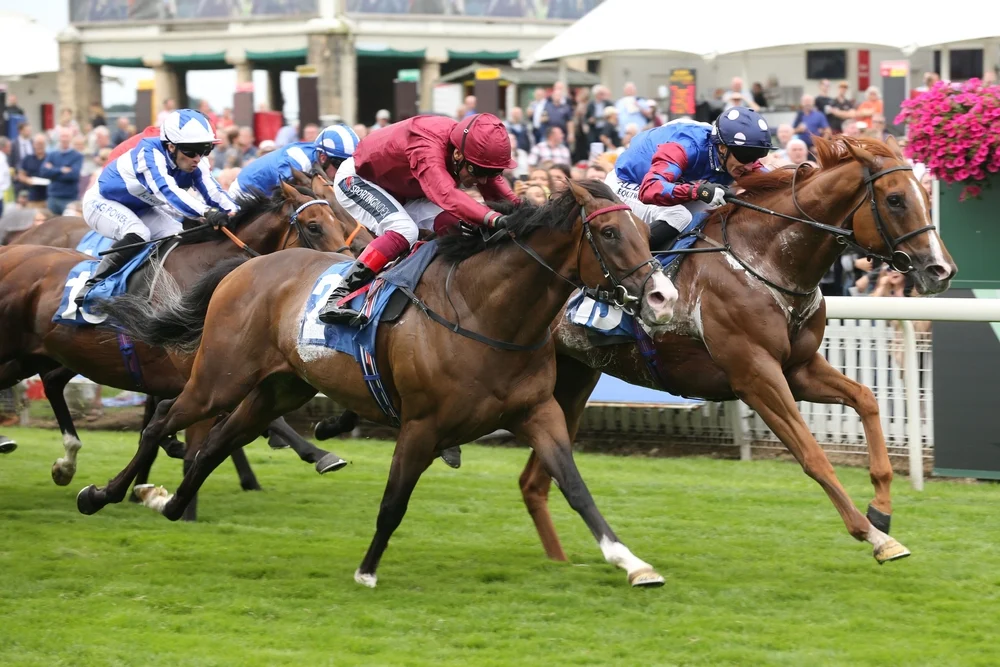
As the world tunes in to Royal Ascot, a marquee event showcasing the best of British tradition and sport, a new report by the All-Party Parliamentary Group (APPG) for Racing and Bloodstock signals growing concern over the long-term viability of British horseracing.
The message is clear: without urgent government intervention, horseracing — a £4.1 billion industry supporting over 85,000 jobs — could face a dramatic downturn. The APPG identifies a “triple threat” to the sport’s ecosystem: tax changes, gambling regulation, and a delayed reform of the Horserace Betting Levy.
1. Gambling Tax Reform: A Market Disadvantage for Racing
One of the most pressing concerns is the proposed merger of three gambling tax categories into a single “Remote Gambling Duty.” While designed to simplify tax collection, this change could unintentionally make betting on horseracing more expensive for operators, reducing margins and incentivising them to shift focus toward more profitable verticals such as online casinos.
The APPG estimates this could result in over £40 million in lost annual revenue for the sport, a figure that would hit racecourses, trainers, and rural economies particularly hard.
2. Financial Risk Checks: A Policy with Unintended Consequences
Another flashpoint is the implementation of financial risk checks for bettors. While well-intentioned and designed to mitigate problem gambling, these checks are already contributing to a steep decline in betting turnover on racing — a reported £1.6 billion loss over the past two years.
More critically, there is little data to suggest these checks are effectively identifying or helping at-risk gamblers. The result: casual and high-value bettors are walking away, and with them, essential liquidity for the industry.
3. Betting Levy Reform: A Broken Promise
The third and perhaps most symbolic concern is the government’s failure to reform the Horserace Betting Levy. Despite committing to a review by April 2024, there has been no significant movement. The current structure sees horseracing receive less than 3% of the £13 billion wagered on the sport annually, well below the reinvestment levels seen in France and Ireland.
This underfunding handicaps the sport’s ability to compete internationally — not just in prize money, but in training infrastructure, talent development, and technology.
More Than a Sport: Horseracing’s Broader Economic and Cultural Value
British horseracing is far more than a weekend flutter. It is the UK’s second most attended sport, a core employer in rural areas, and a powerful soft power asset. The industry boasts over 660 stud farms and 500 training yards, contributing to an ecosystem that stretches from stablehands to syndicate investors, from bookmakers to hospitality.
Internationally, horseracing also acts as a magnet for capital. With over 1,150 foreign owners active in the UK, the sport is a gateway for investment and tourism, especially from regions like the Gulf, Asia, and the US.
The APPG rightly positions horseracing as both a cultural export and a commercial opportunity — one that is currently undervalued by policy.
Public Opinion Is on the Side of the Sport
Polling conducted by Strand Partners for the APPG reveals robust public support for reform:
- 70% of UK adults believe betting companies should reinvest in the sports they profit from.
- 56% support new legislation mandating more reinvestment into British horseracing.
- 61% believe the government has a responsibility to protect Britain’s sporting reputation on the global stage.
Notably, this sentiment cuts across party lines, reflecting widespread recognition of the sport’s value beyond the racing fraternity.
A Fork in the Road: What Needs to Happen Next
The APPG has outlined three clear actions for policymakers:
- Exempt horseracing from the proposed Remote Gambling Duty to protect operator margins and preserve betting activity.
- Reform the Horserace Betting Levy to bring the UK in line with international reinvestment benchmarks.
- Redesign financial risk checks to better balance player protection with market sustainability.
Failure to act could see racing decline not just as a sport, but as a cornerstone of Britain’s rural economy and cultural identity.
Why This Matters for Sports Policy and Commercial Strategy
From a consulting standpoint, the challenges facing British horseracing mirror wider trends in sport: the clash between regulation and revenue, the tension between short-term policy and long-term ecosystem health, and the need for innovative funding models.
This moment is not just a test for racing — it’s a litmus test for how the UK supports its heritage sports in the modern era.
Brands, investors, and governing bodies should see this as a call to action. British horseracing is a globally recognised platform — with the right regulatory support, it can continue to thrive, attract investment, and innovate in areas like digital wagering, ownership models, and international fan engagement.
The opportunity exists. The risk is real. What happens next will define the sport’s future.