Apple is reportedly in discussions to secure the U.S. broadcast rights for Formula 1, according to a recent Financial Times report. With ESPN’s exclusive contract set to expire after the 2025 season, the competition to control one of the world’s fastest-growing sports properties is intensifying.
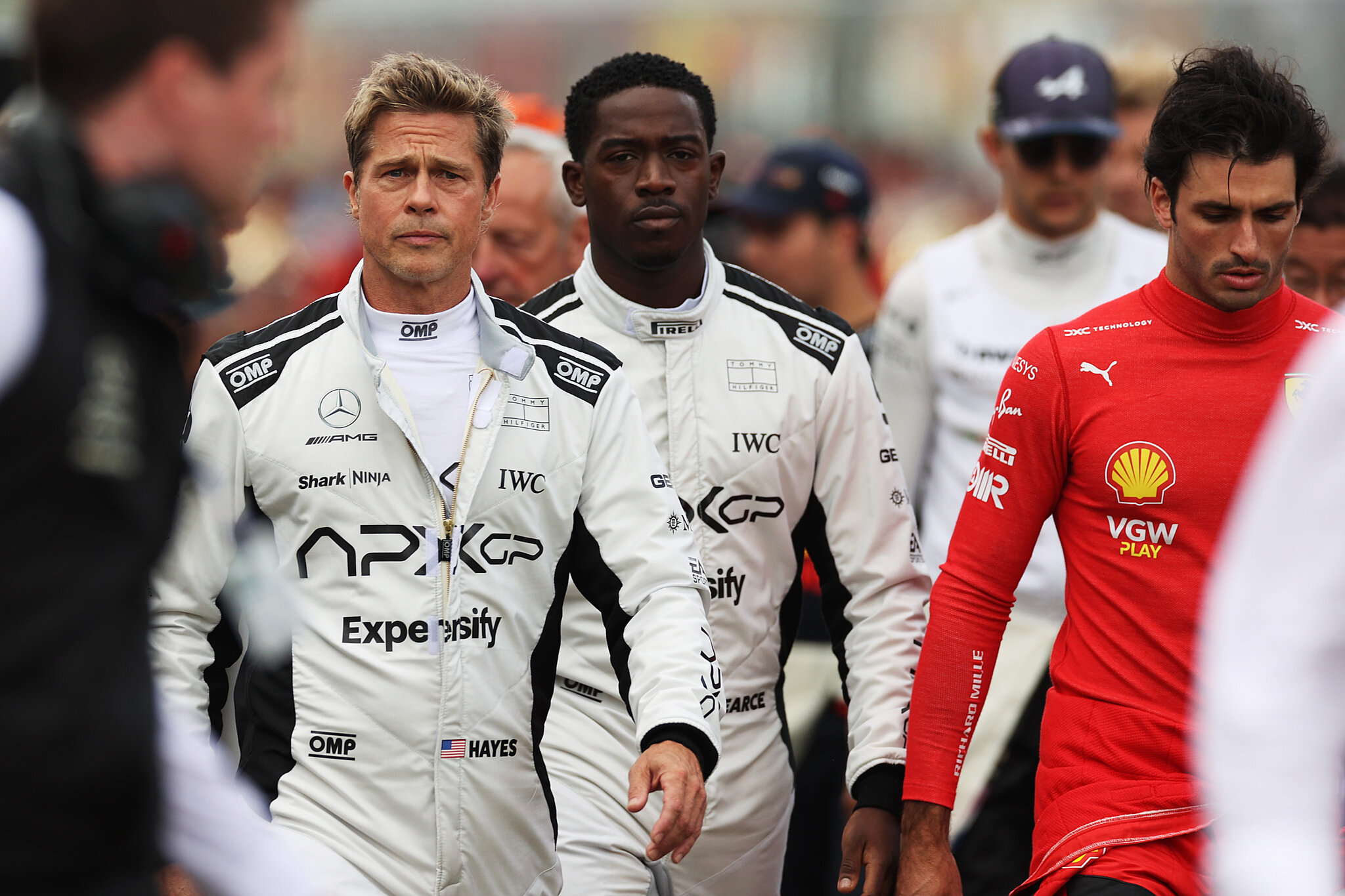
Apple’s interest follows the impressive box office success of its F1-themed film starring Brad Pitt, which has generated over $300 million globally, highlighting both growing public interest in the sport and Apple’s ambitions to build cultural relevance through motorsport.
The Strategic Play Behind Apple’s Move
Currently, ESPN (owned by Walt Disney) holds Formula 1 rights in the U.S. through 2025. However, its exclusivity window to renegotiate has closed, opening the door for new players like Apple and Netflix.
With the success of Netflix’s “Drive to Survive” playing a significant role in turbocharging American interest in Formula 1, the sport’s U.S. media rights are now considered premium real estate for streamers. Formula 1 now hosts three races on U.S. soil — in Miami, Austin, and Las Vegas — with growing fan bases and massive commercial momentum.
This makes the 2026 broadcast rights cycle a high-stakes battleground.
Apple TV+: From Prestige Drama to Sports Powerhouse?
While Apple TV+ has earned accolades for shows like Ted Lasso, Severance, and The Morning Show, it still trails Netflix, Amazon Prime Video, and Disney+ in global subscriber share. Live sports represent a key differentiator, and Apple has already made moves — including its partnership with Major League Soccer (MLS) and now, possibly, Formula 1.
Securing Formula 1 could transform Apple TV+ from a boutique content player to a tier-one sports streaming destination, enhancing both global appeal and domestic subscriber acquisition.
Competitive Landscape: What’s at Stake?
- Netflix recently paid over $5 billion to become the exclusive global home of WWE Raw, and is also rumored to be bidding for F1 rights.
- Amazon Prime Video has made its own big bets in sports, with NFL, Premier League, and cricket investments.
- Disney/ESPN faces increased pressure to either retain F1 or double down on other rights.
The next wave of sports media dominance will be decided not just on who pays more — but on who can integrate sport into their entertainment ecosystem most effectively.
The battle for Formula 1 rights signals a deeper shift in the global sports economy:
- Streaming-first strategies are redefining how fans engage with sport — from multi-angle viewing to data overlays.
- Rights holders must now evaluate not just cash, but audience reach, content innovation, and brand alignment.
- For leagues like Formula 1, partnering with a platform like Apple means deeper integration with technology, entertainment, and culture — not just television.
As more tech giants enter the space, traditional broadcasters and even newer OTTs must evolve fast or risk irrelevance.
IMAGE: Getty Images