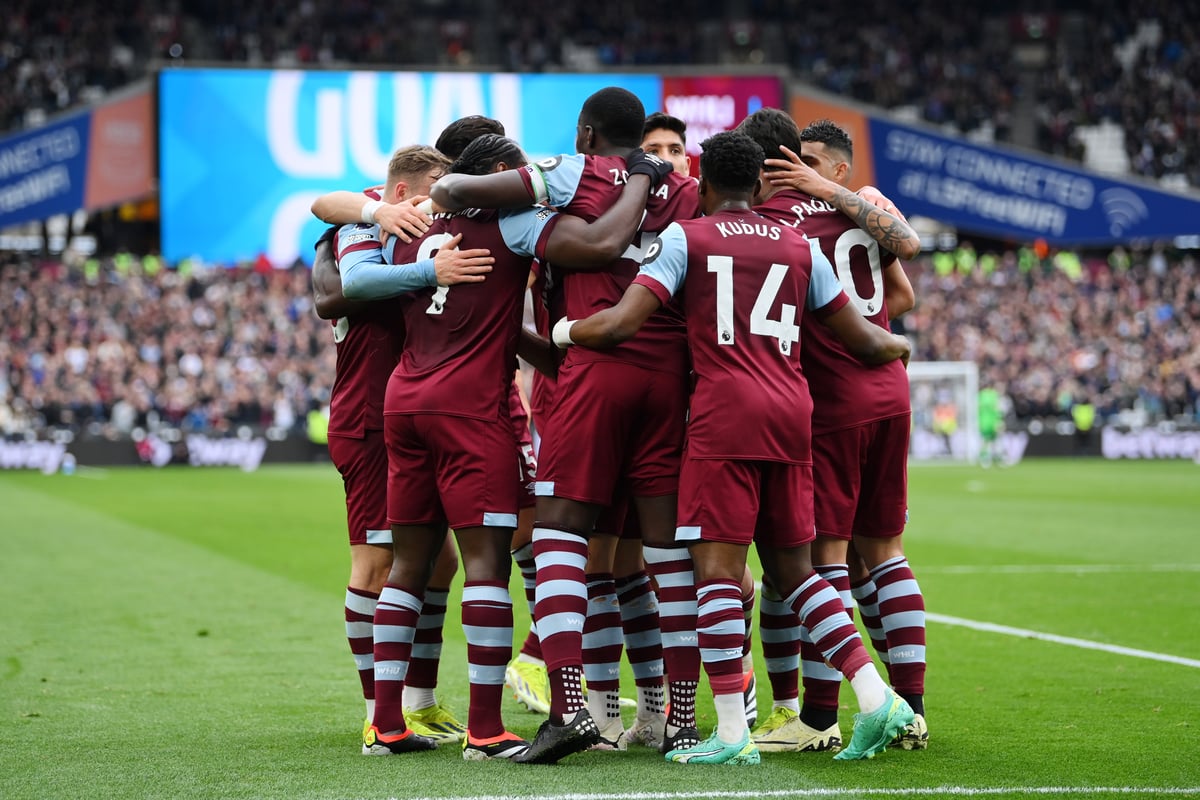
Two titans of global finance — Apollo and Ares — are quietly bringing their long-standing rivalry into the world of sport, setting the stage for a fresh wave of competition, capital deployment, and influence across elite leagues and clubs.
While their names echo mythological origins, their modern-day battle is firmly rooted in high-stakes investment strategy. Both firms share common ancestry: Apollo was established in 1990, and Ares emerged shortly after as an offshoot, before becoming fully independent in 2002. Since then, their trajectories have mirrored the wider evolution of alternative finance — shifting from traditional asset classes to the more culturally powerful and commercially volatile world of sports.
Ares, with over $550 billion in assets under management, has already built a strong presence across the sports ecosystem. Through its $3.7 billion sport-focused fund, it holds stakes in Chelsea FC, Inter Miami, McLaren F1, the Miami Dolphins, Eagle Football Holdings, and even in emerging US volleyball property LOVB. Its positioning has been bold and intentional — targeting clubs and leagues at the intersection of cultural relevance, growth potential, and media disruption.
Apollo, meanwhile, has taken a more measured approach. With $700 billion under management, it has historically remained in the background — until now.
Recent developments suggest a strategic shift. The firm was one of several financiers linked to the Manchester United takeover process, and although its $1.25 billion deal to back Mexico’s Liga MX did not materialize, its interest has not waned. In fact, momentum is building.
Apollo is currently in active discussions to acquire a stake in Atlético Madrid, a club that already counts Ares as a significant shareholder. What began as a conversation around stadium-led real estate development has reportedly expanded into equity interest in the club itself. The suggested valuation — north of €2 billion — reflects the club’s perennial Champions League presence and its long-term commercial potential.
Separately, Apollo has also extended a £80 million loan to Premier League side Nottingham Forest, owned by Greek shipping magnate Evangelos Marinakis. These moves underline a growing appetite to become a primary lender and partner in European football.
But the story is not just about sport.
Apollo’s European push is broader — encompassing infrastructure, energy, and defense — with the firm reportedly planning to invest up to €100 billion in Germany over the next decade. Its sports ambitions, therefore, dovetail with a larger geopolitical and economic thesis: own or influence culturally significant assets that double as soft power and commercial leverage.
What This Means for Sport
For clubs, leagues, and federations, Apollo’s increased involvement introduces another major player capable of deploying flexible capital. Alongside Ares, Arctos, CVC, and Sixth Street, Apollo’s entry could further professionalize credit markets in sport — potentially offering more competitive terms and diversified financing options.
However, more competition won’t necessarily lower borrowing costs, which remain high for most sports entities outside the Premier League or NFL. What it does offer is leverage — not just financial, but strategic. With firms like Apollo and Ares competing for position, the real winners could be the rights holders who can now play one against the other.
As private capital deepens its roots in global sport, the next decade will be shaped not just by who plays on the pitch — but by who funds the game off it.
IMAGE: Bloomberg