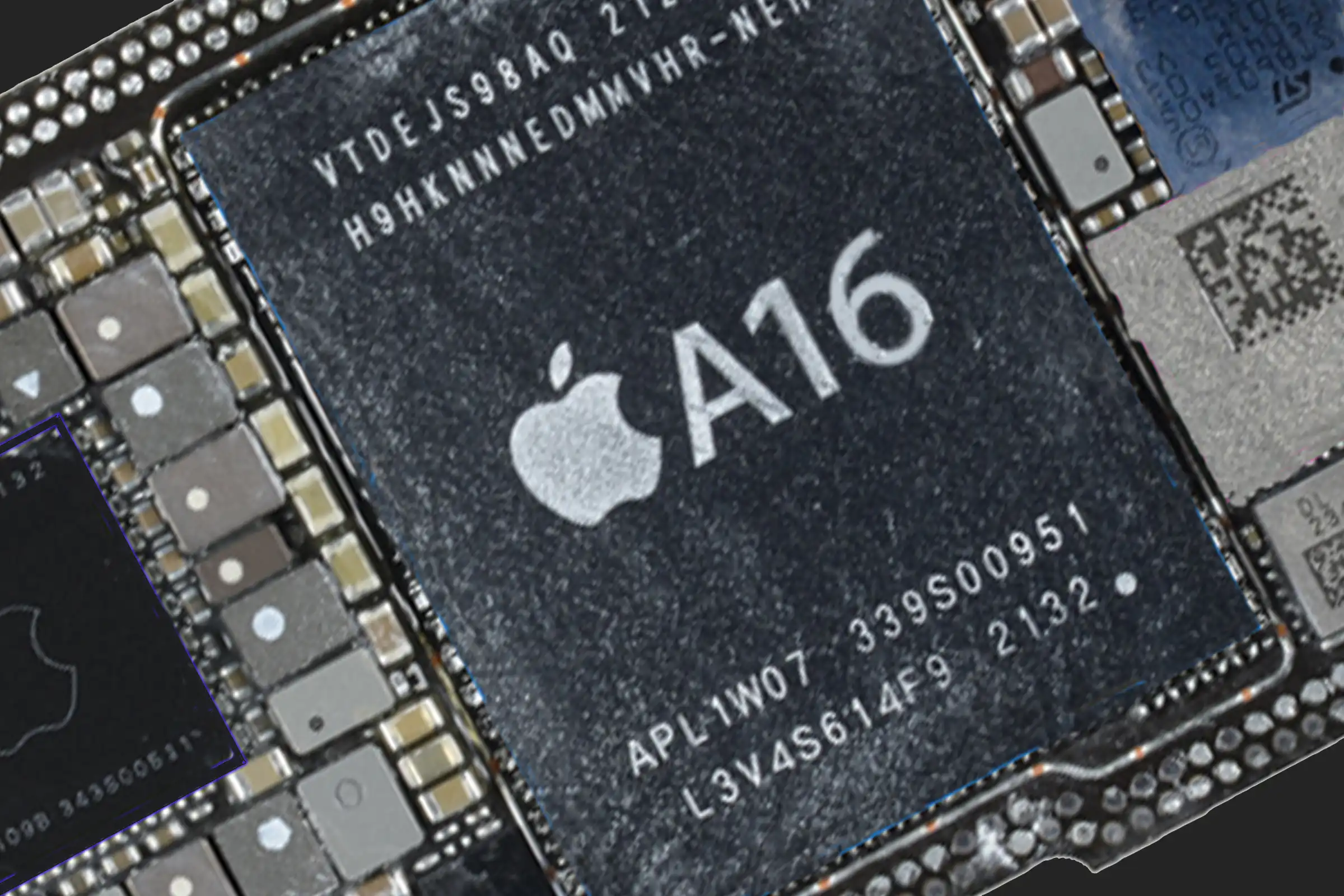
In a move set to redefine global semiconductor supply chains, former U.S. President Donald Trump has announced a 100% tariff on chips and semiconductors manufactured outside the United States. The announcement—delivered alongside Apple CEO Tim Cook at the White House—marks a sharp pivot in America’s trade posture and underscores a deeper push toward onshore technology production.
At the core of the policy is a simple equation:
Build in America, avoid the tariff.
Even companies that haven’t started production but are actively constructing domestic facilities will reportedly be exempt.
This clause offers crucial breathing room for global tech giants that have committed to U.S. manufacturing. Projects like TSMC’s multi-billion-dollar expansion in Arizona and Samsung’s new chip complex in Texas are poised to benefit, with Trump framing the policy as an incentive, not just a penalty.
Strategic Timing, Strategic Targets
The timing is no coincidence. As the global semiconductor race intensifies and geopolitical alliances shift, control over chip manufacturing is no longer a supply chain issue—it’s national security. By targeting foreign-built chips with punitive tariffs, Trump’s policy aims to force technology leaders to anchor their high-value operations on American soil.
Apple Bets Bigger on American Soil
Amplifying the policy’s impact, Apple has pledged an additional $100 billion in U.S. investments, expanding its total to $600 billion over four years. The commitment spans everything from component sourcing to domestic manufacturing programs, involving partnerships with at least 10 American firms.
Cook positioned this as a vote of confidence in U.S. industrial policy:
“These companies support Apple’s global product line, and our partnership with the U.S. government allows this ecosystem to thrive,” he said.
Implications for the Global Tech Map
The tariff announcement, while dramatic, is part of a broader trend reshaping where and how the world builds its most critical technologies. Countries like India, Vietnam, and Malaysia—seen as alternative semiconductor hubs—may now face renewed pressure to justify investments in non-U.S. production.
For multinational tech players, the message is unambiguous:
America wants chips made at home. And it’s willing to rewrite trade rules to make that happen.
As 2025 U.S. elections approach and tech nationalism gains momentum across both parties, the global tech industry may be forced to redraw its maps—balancing cost, risk, and political alignment like never before.
Partner With Us
Want to feature your brand, business, or service on 365247 — Whether you’re looking to sponsor, collaborate, or build presence within our ecosystem, we’d love to explore it with you.
Submit your Interest Here
IMAGE: IDG