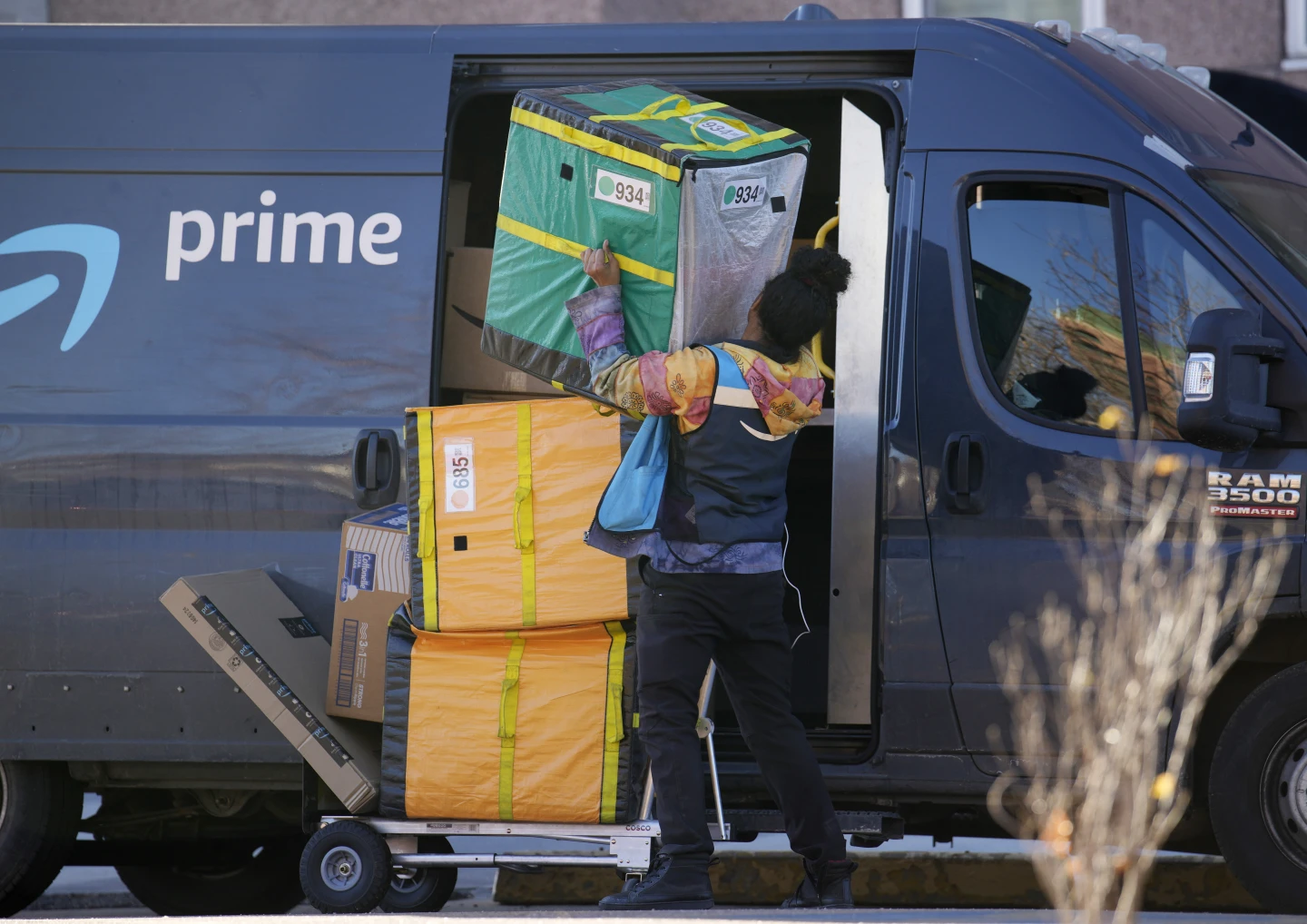
Amazon is evolving its approach to Prime Day. The retail giant’s flagship sales event, now in its 11th year, has been expanded to a four-day shopping spree, running from Tuesday morning through early Friday. This marks a key pivot in Amazon’s summer strategy, aimed at reigniting consumer interest and navigating mounting pressures from tariffs and shifting shopper behavior.
For the first time, deals will drop as frequently as every five minutes during peak hours. While Prime Day was originally launched as a 24-hour event in 2015 and later stretched to two days, the move to four days signals Amazon’s effort to reframe the shopping bonanza as an extended seasonal experience rather than a flash sale.
Amazon is targeting a younger demographic this year, offering Prime memberships to customers aged 18–24 for $7.49 per month—half the standard price—and rolling out a limited-time 5% cash back offer. This initiative appears designed to increase engagement with Gen Z shoppers, many of whom are budget-conscious and less tied to traditional retail loyalty programs.
Amazon’s Prime Day has long triggered a ripple effect across the retail industry, and 2025 is no different. Walmart, Best Buy, and Target are once again counter-programming with their own promotional events. Notably, Walmart is offering in-store discounts during its campaign for the first time, adding a physical retail edge to a typically digital race.
While Amazon touts the extended timeline as a response to customer demand for more flexibility, analysts are cautious. Rising concerns around inflation and tariffs may limit consumer appetite for discretionary spending. Adobe Digital Insights forecasts $23.8 billion in online sales over the four-day period—up nearly 30% from last year—but questions remain about whether this growth will translate into real gains for Amazon or simply spread spending across more days.
Salesforce’s Caila Schwartz points to consumer fatigue, noting that last year many shoppers bought early and then disengaged. With cautious sentiment still prevailing, the challenge for retailers will be keeping momentum going throughout the entire event.
Tariff Pressures Linger in the Background
Although Amazon has declined to comment publicly on tariff-related pricing adjustments, industry sources suggest many sellers stockpiled inventory ahead of President Trump’s import tax hikes. This has helped some brands maintain pricing consistency—at least for now. But for smaller vendors, pricing strategies remain fluid, with many choosing between offering discounts today or preserving margins tomorrow.
As economic uncertainty lingers, analysts expect this year’s shoppers to prioritize essentials over splurges. Back-to-school items, household necessities, and personal care products are likely to lead the charge, while categories like luxury tech or seasonal fashion may see slower traction.
Retailers have responded with sharper, more targeted promotions. Target is promoting $5 backpacks and a curated set of school supplies under $20. Walmart is offering significant markdowns on electronics, including smart monitors and TVs. Amazon, as expected, is focusing heavily on its own ecosystem—Echo devices, Fire TVs, and tablets—all priced aggressively to drive engagement.
Over 60% of Amazon’s retail sales are driven by third-party sellers, but many of them are sitting out this year’s Prime Day. With profit margins under pressure from looming tariff hikes, several vendors are prioritizing long-term sustainability over short-term gains.
Others are using the event to clear pre-tariff inventory. Patrick Jones, founder of home fragrance brand Outdoor Fellow, stocked up early in 2025 to avoid price increases. With that inventory still in hand, he’s offering 32% off his best-selling candles—while watching closely to see if his June orders will be hit with heavy customs fees.
Join the 365247 Community here
IMAGE: AP