Source: The New York Times Magazine
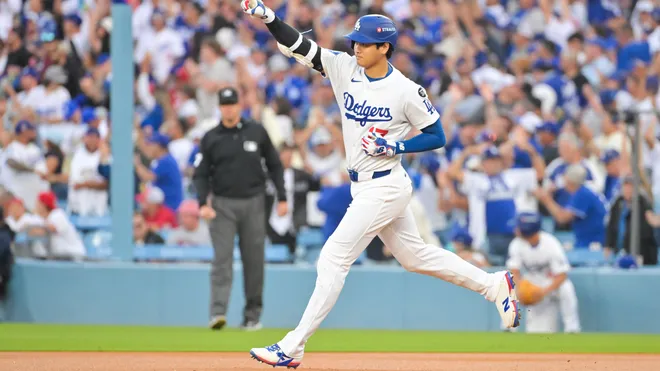
The Los Angeles Dodgers have long been considered more than a baseball team in Southern California. For decades, they have stood as a cultural anchor for the region’s Latino community, which makes up a significant part of the club’s fan base. But a recent report by The New York Times Magazine highlights how that bond has been tested amid the intensification of ICE raids earlier this year.
According to journalist Bruce Schoenfeld, while videos circulated of federal agents “seizing Angelenos, often violently,” the Dodgers remained “strangely quiet” despite their status as “arguably the most popular sports franchise in the area, and a cultural touchstone for Latinos.”
Silence, Symbolism, and Outrage
The lack of a strong public stance did not go unnoticed. The only immediate acknowledgment came from then-outfielder Kiké Hernández, who posted a supportive message on Instagram. For many Latino fans, however, that gesture fell short.
Discontent had already been simmering after the Dodgers accepted the traditional White House visit following their World Series victory—a decision that drew criticism within a community deeply affected by U.S. immigration policies. As ICE raids intensified, so too did the backlash.
By June, the Dodgers attempted to respond more concretely, first by denying access to several vans believed to be associated with ICE that tried to enter Dodger Stadium parking lots, and later by announcing a $1 million contribution to assist families impacted by deportations.
Still, Silence from Leadership
Despite those steps, Dodgers executives have yet to make any public comments addressing the raids directly. This silence has fueled frustration. In July, social media saw a wave of anti-Dodgers sentiment from Latino fans and public figures alike. Actor George Lopez, a longtime supporter of the club, was particularly vocal, posting a sharp critique suggesting ICE agents “wear the uniforms of each night’s opponents” at Dodger Stadium.
Why the Silence?
Schoenfeld’s reporting notes that the Dodgers’ ownership structure may provide some context. Mark Walter, the team’s controlling owner, has historically donated to Democratic figures such as former President Barack Obama and ex-Chicago mayor Rahm Emanuel. Against the backdrop of the Trump administration’s immigration stance, Dodgers leadership may have calculated that taking a more forceful position could leave them vulnerable to political retaliation.
A Cultural Reckoning
For many Latino fans, however, the nuances of political strategy are secondary to lived experience. The Dodgers have long benefitted from the loyalty of the Latino community, both as ticket-buying fans and as cultural advocates for the team. The decision to stay largely silent in a moment of crisis has raised uncomfortable questions about the responsibilities of sports franchises when the communities that sustain them are under direct pressure.
As Schoenfeld’s piece suggests, the Dodgers remain a giant of Los Angeles sport, but their relationship with a core constituency is at a crossroads—highlighting the broader question of how deeply teams should engage in social and political issues that directly affect their fans.
Don’t Just Watch Sport, Understand It. Join the 365247 Newsletter for daily insights
For brands, agencies and services
IMAGE: IMAGN Images