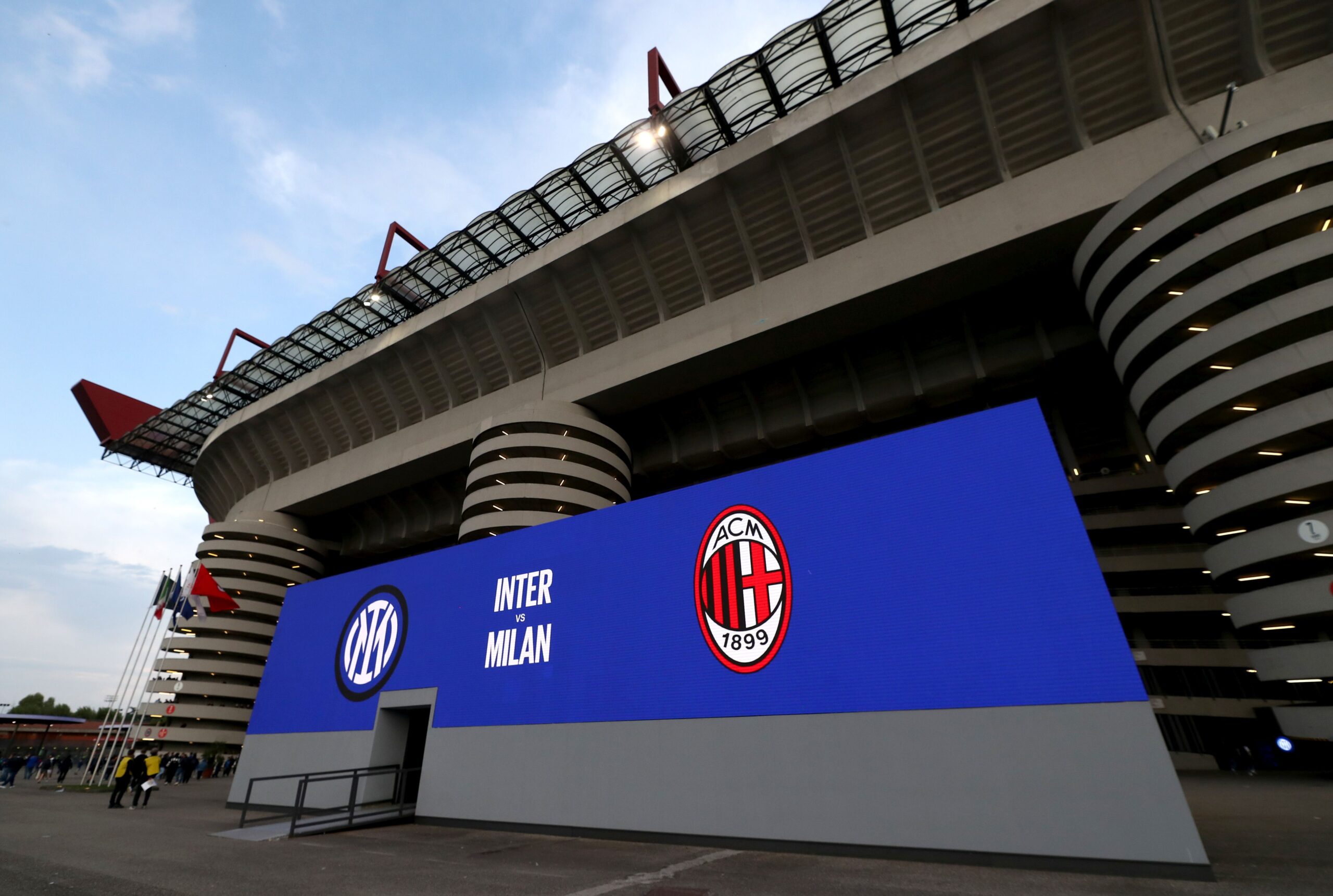
AC Milan and FC Internazionale Milano have taken a decisive step in their long-term stadium vision, announcing a partnership with globally renowned architectural firms Foster + Partners and MANICA to design a new state-of-the-art venue in Milan.
The move is part of a broader urban regeneration project covering 281,000 square meters, which aims to combine football infrastructure with community, cultural, and commercial development.
A Stadium Built for the Future
If the Milan City Council approves the sale of the Great Urban Function San Siro, the two clubs will move forward with Foster + Partners and MANICA leading the design process.
The new stadium will:
- Feature a capacity of 71,500 seats.
- Be designed with two large tiers at sharp inclines to maximize sightlines.
- Meet global accessibility standards, ensuring inclusivity for all fans.
- Integrate affordable ticket sections, balancing modern luxury with community access.
- Prioritize sustainability and innovation, aligning with Milan’s long-term urban development goals.
The Architects Behind the Vision
- Foster + Partners, founded by Lord Norman Foster in 1967, is one of the world’s most influential design practices, known for sustainable and iconic projects such as Apple Park (Cupertino), the Millennium Bridge (London), airports in Hong Kong and Beijing, and the Wembley Stadium masterplan.
- MANICA, led by David Manica, is an internationally recognized specialist in sports venues, credited with designs including Allegiant Stadium (Las Vegas Raiders), Chase Center (Golden State Warriors), and upcoming projects for the Chicago Bears and Inter Miami CF.
This collaboration reunites Foster and Manica, who have worked together for nearly 30 years, beginning with London’s Wembley Stadium project and later the Lusail Stadium in Qatar.
Strategic Importance for Milan
For both AC Milan and Inter, this project is about more than modern infrastructure. It represents a strategic investment in the clubs’ global competitiveness and a commitment to Milan’s urban and cultural identity.
- The new stadium would act as an architectural landmark, reinforcing Milan’s position as a global capital of design and sport.
- By embedding retail, entertainment, and public spaces, the development seeks to mirror modern multi-use precincts like Tottenham Hotspur Stadium and Allianz Arena.
- The project is also designed to drive sustainable growth, not just for the clubs but for the city’s economy and global reputation.
Lessons for Global Clubs
- Shared Infrastructure = Shared Legacy
– Joint stadium projects are rare in Europe but allow clubs to pool resources while creating world-class venues. - Sustainability as Core Value
– The emphasis on green design reflects how sustainability is no longer optional but essential in modern stadium planning. - Urban Regeneration as a Lever
– Stadium projects today are less about stands and turf, and more about community integration and mixed-use ecosystems. - Global Icons Attract Global Sponsors
– Working with Foster + Partners and MANICA ensures that the venue will be internationally recognizable, adding commercial weight to global partnerships. - Fan-Centric Modernization
– Steep tiers for visibility, affordability in ticketing, and accessibility innovations show how clubs must balance premium hospitality with everyday fan experiences.
Subscribe to the 365247 Newsletter for Daily Insights
For Brands, Businesses and Services, feature in our posts
IMAGE: Getty Images