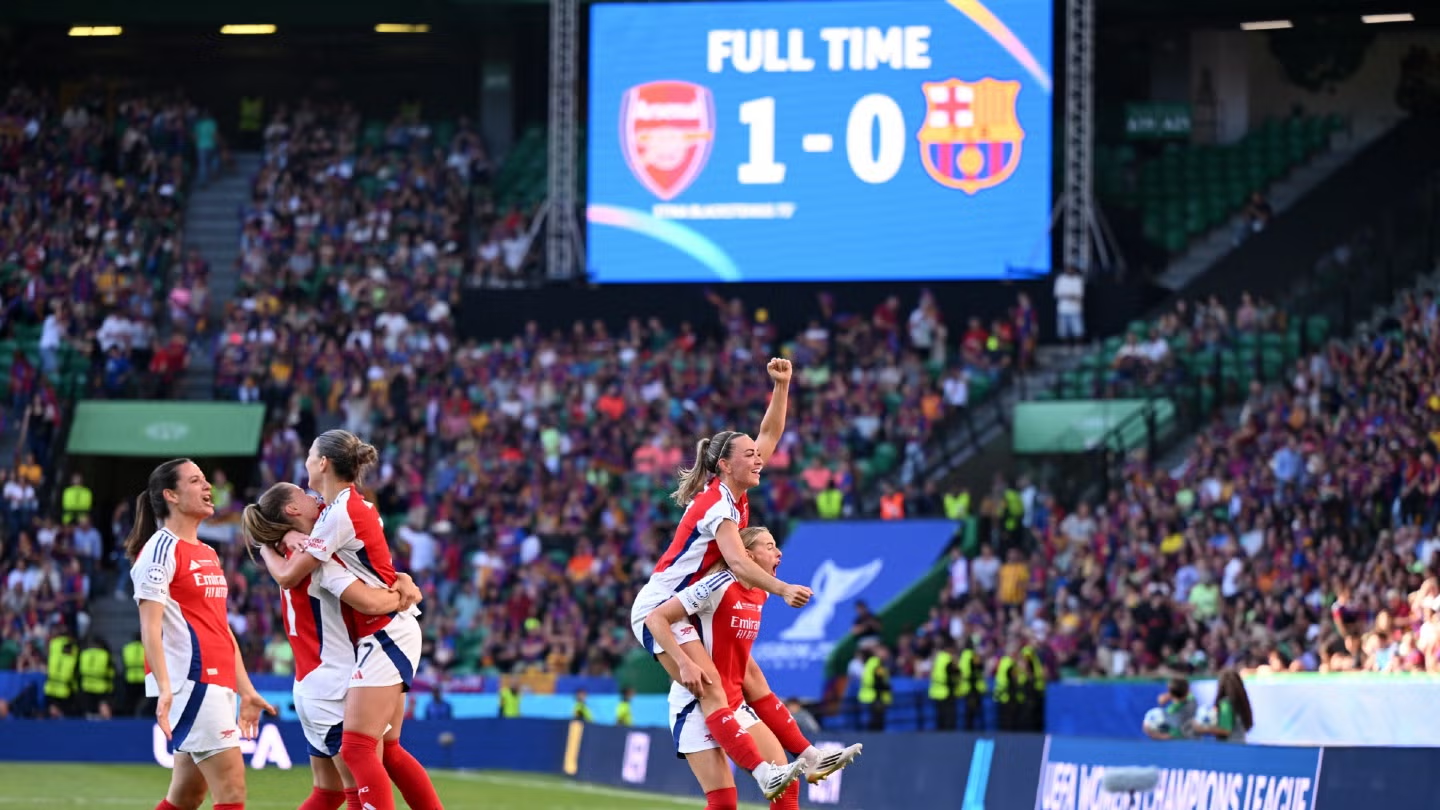
Electronic Arts has reinforced its long-term commitment to women’s football by extending its partnership with UEFA, ensuring the UEFA Women’s Champions League and UEFA Women’s EURO remain central features in EA SPORTS FC 26, set for release later this month.
The multi-year global licensing agreement means the game will continue to showcase two of women’s football’s most prestigious competitions, alongside a deep roster of content: more than 20,000 athletes, 750 clubs and national teams, 120 stadiums, and 35 leagues.
A Digital Platform for Growth
UEFA’s Executive Director of Marketing, Guy-Laurent Epstein, emphasized that the deal builds on the momentum of record-breaking tournaments in 2025:
“Continuing our collaboration with EA is an exciting opportunity to keep driving the growth of women’s football. We look forward to fans and gamers alike continuing to experience the thrill of these two flagship UEFA women’s competitions in one of the world’s most popular video games.”
This extension highlights UEFA’s strategy of using digital-first platforms to expand visibility and reach. EA first introduced the Women’s Champions League in 2022, marking an important milestone in mainstreaming women’s football within the gaming space.
James Taylor, EA SPORTS’ Director of Football Partnerships, added:
“The UEFA Women’s Champions League is the pinnacle of women’s club football, and bringing it to life in-game reflects our commitment to celebrating and elevating the women’s game for fans everywhere.”
Gaming as a Cultural Gateway
The move reflects a wider truth: video games are now cultural gateways into sport. For younger audiences, playing competitions virtually is often the first step toward following them in real life.
- EA’s integration of the men’s UEFA Champions League since 2018 has helped reinforce the competition’s global status.
- A recent Gaming & The Future of Sports Fandom report found that 70% of children aged 8–12 say sports video games increased their support for specific teams.
- Commercially, virtual rights are no longer add-ons. The Premier League’s current EA deal, worth over £30m annually, blends in-game rights with sponsorship of official awards. Juventus’ exclusive partnership with Konami’s eFootball in 2019 further underlined how digital assets hold standalone value.
365247 Consulting View
The extension between UEFA and EA SPORTS is more than just a licensing renewal — it is a case study in how gaming has become central to sports commercialization and cultural growth.
- For Leagues & Federations: Video games are not simply marketing tools; they are entry points to fandom, especially among Gen Alpha. Rights holders should treat them as core assets in media portfolios, alongside broadcast and digital.
- For Brands: Partnerships within gaming ecosystems offer deeper cultural engagement than traditional sponsorships. Integrations inside a game can reach global audiences with authenticity and scale.
- For Clubs: Representation in titles like FC 26 extends brand identity to new demographics worldwide, often before young fans ever watch a live broadcast.
The numbers are clear: gaming is no longer a secondary channel. It’s where the next generation of fans are being won.Women’s football, powered by this UEFA–EA extension, has an opportunity to reach millions of new supporters through digital-first engagement.
The real challenge for rights holders and brands is not whether to be in gaming — but how to maximize commercial and cultural value once they are inside the ecosystem.
For Brands, Businesses and Services, feature in our posts
IMAGE: Getty Images