For years, U.S. sports broadcasters have relied on prescription-drug marketers to underwrite live rights, shoulder make-goods, and pay premiums for high-reach programming. Pharma’s outlay is enormous: industry trackers estimate $10B+ in annual direct-to-consumer (DTC) drug advertising across TV and CTV, with $5B–$7B landing on national television alone. In 2024, pharma represented ~11–13% of linear TV ad spend, a share disproportionately concentrated in news and live sports.
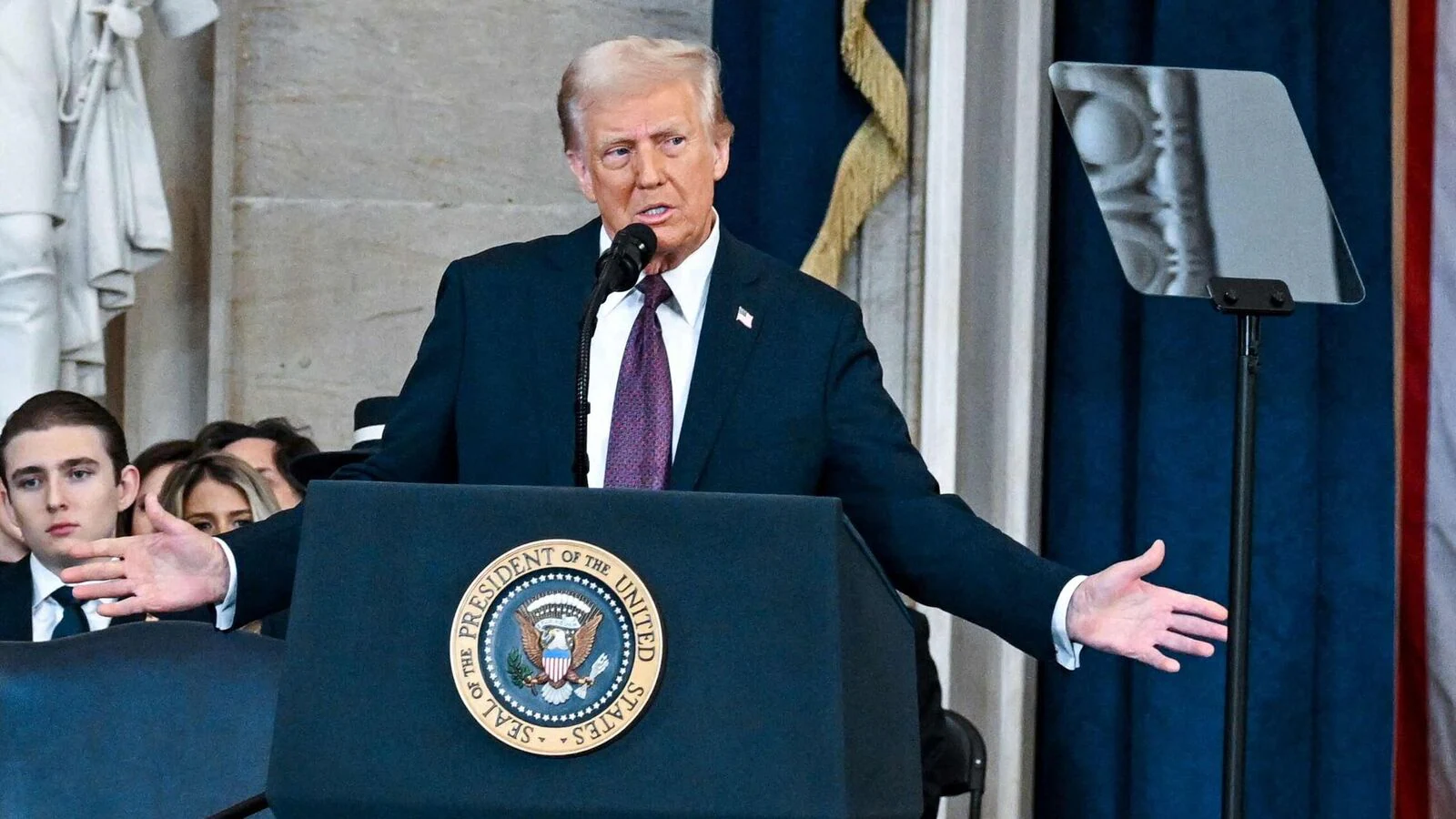
That dependence is now in the crosshairs. The Trump administration has moved to tighten the rules governing drug advertising. HHS and the FDA announced a reform package that would force full safety warnings inside DTC ads (not pushed to a website or 1-800 number), and the FDA has begun enforcement actions and warning letters tied to allegedly misleading promotions—steps that could make TV a less attractive (or more expensive) channel for pharma. Analysts warn that billions in fourth-quarter pharma spend are “at risk” if advertisers pull back, re-cut creative into longer, costlier units, or pivot budgets away from broadcast.
Some proposals—and parallel efforts in Congress—go further, contemplating severe restrictions or outright bans on DTC drug advertising, something only the U.S. and New Zealand currently allow. If anything close to that became law, the immediate shock would be felt on legacy TV and live sports first.
Why sports would feel it most
- Sports delivers pharma’s reach. In 2024, the NFL alone accounted for ~8.7% of pharma’s national linear TV spend; the Big Five networks (ABC/CBS/Fox/NBC/ESPN) delivered ~36% of Rx TV impressions for the category. Put simply, sports is where pharma buys efficient scale.
- Price premiums. Media researchers note that broadcasters command category premiums from pharma; a pullback threatens both dollars and pricing power. Guideline estimates $4B of DTC outlay in a single quarter at risk if rules bite.
- Creative friction. If ads must carry full risk language on-screen, 15s become harder to use, 30s get crowded, and 60s cost more GRPs—conditions that historically nudge brands to reduce TV weight or shift to non-broadcast formats.
What changes are actually on the table?
- Disclosure overhaul. HHS/FDA propose comprehensive, in-ad safety warnings versus the current “adequate provision” approach introduced after 1997 guidance. Expect longer copy, heavier legal review, and higher production costs.
- Stepped-up enforcement. September actions included warning letters to major drugmakers and telehealth marketers over GLP-1 weight-loss promotions and risk disclosure—signaling a stricter posture for all DTC.
- Legislative pressure. A Senate bill to restrict or ban DTC ads keeps political risk elevated, even if First Amendment challenges are likely.
How big is the revenue hole?
Estimates vary by methodology, but multiple analyses converge on a multi-billion-dollar exposure for TV:
- $5B+ in national TV pharma spend annually; $10B+ across all channels.
- MediaPost/Guideline: $14–16B across TV/CTV DTC pharma, with ~$4B at near-term risk as rules change.
- Category mix: pharma increased linear TV spend in 2024 even as viewership fragmented—making it a foundational pillar in sports upfronts.
Even optimistic takes that a ban would be “manageable” for marquee properties (e.g., the NFL) concede networks would need to backfill at softer CPMs or with less predictable categories.
Scenarios for the next 12–24 months
- Creative inflation, not collapse. Pharma stays on TV but pays for longer units to meet disclosure rules; total impressions fall, CPMs soften, and sponsorship integrations (native, branded segments) rise to keep messages compliant and effective.
- CTV and retail media pivot. Marketers shift dollars to CTV and retail media networks where targeting and shoppable paths justify the extra legal text and allow dynamic creative. (A majority of marketers already plan higher OTT/CTV spend.)
- Disease-awareness hedging. Brands reduce branded DTC in favor of unbranded condition ads (fewer claims, lower legal burden) and HCP targeting, muting the TV hit but still shrinking premium sports budgets.
- Litigation pause. Court challenges slow implementation; advertisers hold spend in scatter until rules clarify, creating near-term volatility in sports inventory.
What rights-holders and broadcasters can do now
- Re-segment the sports portfolio. Build packages that pair premium live windows with CTV/AVOD extensionsso pharma (or its replacements) can migrate spend without losing reach or addressability.
- Design compliance-friendly canvases. Create integration surfaces (shoulder programming, branded features, sponsor-owned segments) that accommodate long-form fair balance and still perform.
- Broaden category development. Accelerate courting of retail media, consumer tech, financial services, and automotive EV budgets to reduce single-category dependency as pharma recalibrates. (Marketer surveys show incremental appetite for CTV and commerce-linked media.)
- Prove outcomes. Upgrade attribution for ticketing, streaming trials, and commerce tied to sports breaks; as pharma tightens, proof of incremental lift will protect pricing with any replacement category.
Bottom line
Sports broadcasters didn’t become reliant on pharma by accident—DTC drug makers sought guaranteed reach in environments that still aggregate mass audiences. But with Washington moving to tighten drug-ad rules and regulators already issuing warning letters, the category’s long-standing TV playbook is being rewritten. Whether the outcome is a spend shift, creative inflation, or a hard pullback, the risk is real—and measured in billions.
Networks and leagues that treat this as a design problem—rebuilding inventory to fit stricter disclosures, migrating buyers into CTV extensions, and diversifying category mix—will be best placed to defend sports’ premium economics in the post-DTC era.
For Brands, Businesses and Services, feature in our posts
IMAGE: AFP