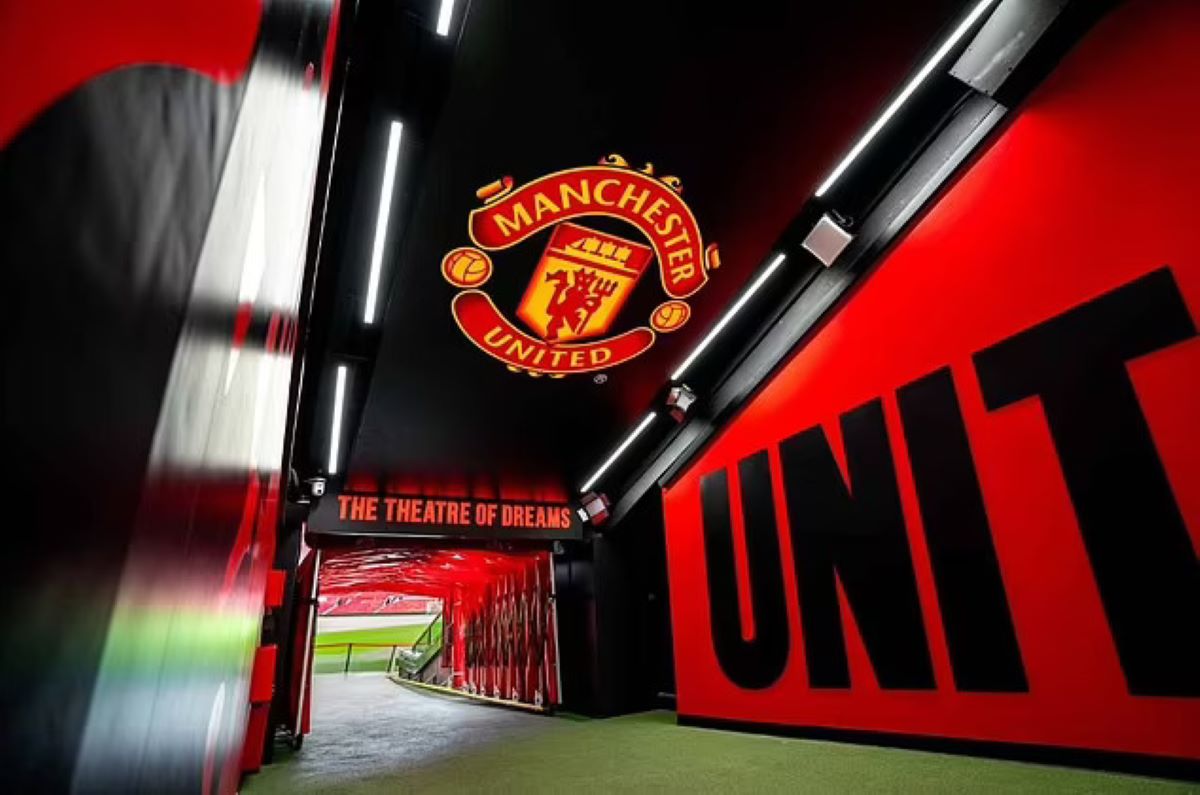
Manchester United have released their financial results for the 2025 financial year (July 2024 – June 2025), revealing a mix of record-breaking revenues and sharp cost-cutting measures under new part-owner Sir Jim Ratcliffe and Ineos.
Record Revenues, Narrower Losses
The club posted revenues of £666.5 million ($908.8m), a slight rise on the previous year (£661.8m). Crucially, United slashed their annual operating loss from £69.3m in 2024 to £18.4m in 2025 — a reduction of nearly 75%.
The turnaround has been driven by:
- Commercial Revenue Growth: up 10% YoY to £333.3m.
- Sponsorship income rose to £188.4m, boosted by Qualcomm’s Snapdragon front-of-shirt deal — the richest in Premier League history at £60m per year.
- Retail and merchandising climbed to £144.9m, fueled by the Scayle e-commerce platform.
- Matchday Revenues: up 16.9%, reflecting higher ticketing and hospitality income.
- Cost Reductions: employee expenses dropped by £51.5m, largely due to the absence of Champions League bonuses and staffing cuts.
Broadcast revenues, however, fell sharply (down £48.9m) as United dropped from the Champions League to the Europa League — highlighting the widening gulf between UEFA’s two competitions.
Ratcliffe’s Cost-Cutting Approach
Since acquiring control of football operations in 2024, Jim Ratcliffe and Ineos have implemented sweeping reforms, including a redundancy programme that cut hundreds of jobs. While criticised publicly, the measures have delivered fiscal stability, aligning with the Premier League’s Profit and Sustainability Regulations (PSRs).
As GlobalData analyst Conrad Wiacek noted:
“Half of United’s record revenues come from the commercial department, arguably the club’s only consistent success since Ferguson and Gill. Any uptick in on-field performance should tip the balance back to profitability.”
Commercial Muscle vs On-Pitch Uncertainty
The financials underscore the paradox of modern Manchester United: commercially unmatched, but inconsistent on the pitch. United’s enduring global appeal allows the club to attract mega-sponsorships and record retail performance, even as trophies prove elusive.
The Snapdragon deal in particular demonstrates that United remain football’s most bankable brand, despite not competing at Europe’s top table.
Stadium Ambitions Loom
Earlier this year, United unveiled plans for a 100,000-seater stadium to replace Old Trafford by 2031, at an estimated cost of £2 billion. The project could be funded via a public-private partnership but will place immense strain on the club’s finances unless operational sustainability continues.
Forward Guidance
For FY2026, United project revenues of £640m–£660m, despite missing out on European qualification entirely. The shortfall is expected to be offset by higher Premier League broadcast disbursements.
365247 Consulting View
Manchester United’s case highlights three critical lessons for sports organisations worldwide:
- Commercial Strength Can Outlast On-Field Weakness – United’s global fanbase and iconic brand sustain them commercially even in lean sporting years.
- Operational Discipline Matters – cost control and efficiency can be as decisive as revenue growth in hitting sustainability targets.
- Stadium Projects Require Careful Balance – mega-infrastructure can transform a club’s future but also risk financial overreach.
The question is not whether United can grow revenues — it’s whether they can align performance, brand, and infrastructure into one coherent strategy.