Credit: The Athletic
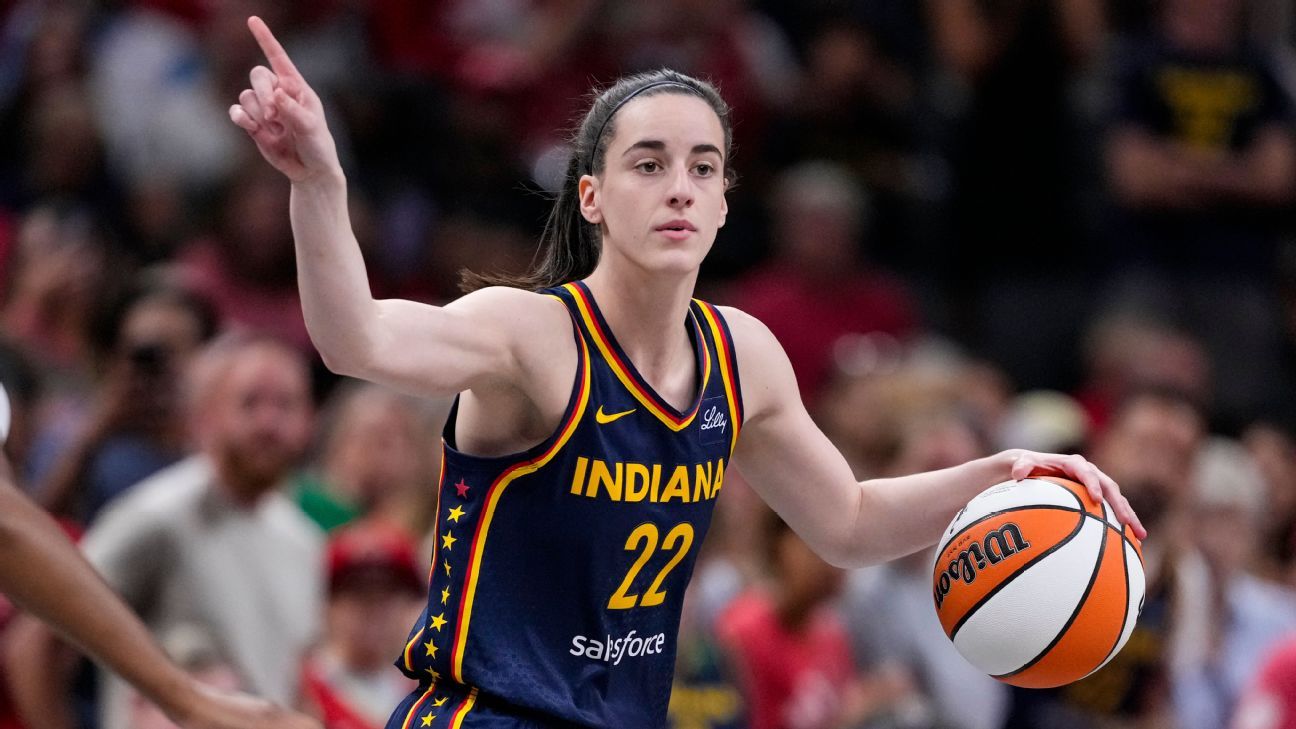
The WNBA’s long-awaited boom has finally arrived. Attendance is up, media deals are breaking records, and team valuations are climbing to new heights. But alongside this surge comes an unintended consequence: the loyal fans who helped build the league are now feeling priced out.
From Accessibility to Exclusivity
Back in 2022, New York Liberty supporter Caitlin Shann paid just $600 for a season ticket in Section 3 at Barclays Center. By 2024, renewal had nearly doubled to $1,200. For the 2026 season, the same seat will cost close to $1,700.
Her story is not unique. A fan-driven spreadsheet tracking Liberty ticket renewals shows many seats increasing by over 100 percent year-over-year. League-wide, Vivid Seats estimates average ticket prices rose 43 percent last season.
What began as one of the most accessible professional leagues in North America is now undergoing the same market shift seen across other major sports — scarcity driving up value, with grassroots supporters caught in the middle.
The Economics Behind the Shift
The WNBA has hit several commercial milestones in the last two years:
- $2.2 billion media rights deal beginning next season.
- Team valuations at record highs, with the Liberty worth $450 million.
- Explosive demand for season tickets — the Liberty report a 900 percent membership increase since moving to Barclays Center in 2021.
- Expanded operations — eight franchises have invested heavily in new practice facilities since 2023, some costing nine figures.
Commissioner Cathy Engelbert describes the price hikes as part of arriving as a “legitimate sports and entertainment property.” From her perspective, “when there’s high demand, prices go up — that’s just simple economics.”
A Cultural Catch-22
The tension lies in the WNBA’s identity. For decades, its strength has come from inclusive, diverse fan communities, especially LGBTQ+ supporters and families. Fans valued the league for being welcoming in ways men’s sports often weren’t.
Now, rising ticket prices risk eroding that culture. Courtside seats in Chicago jumped from $9,000 per season in 2024 to over $22,000 this year. In Brooklyn, some courtside renewals for 2026 are priced at $34,000 per seat.
Long-time Washington Mystics fan Lisa Bodine summed up the concern: “The grassroots supporters of the league have been family. Some original fans can no longer afford the price.”
Balancing Growth and Inclusion
Franchises are experimenting with ways to soften the blow:
- The Liberty offer tickets starting at $25 and have capped increases for tenured season-ticket holders (excluding premium).
- The Phoenix Mercury introduced a $2 concession menu to offset rising costs.
- Some teams offer perks — from premium merchandise to road-trip experiences — to justify higher prices for courtside packages.
But fans remain wary. Deidree Golbourne, known as the “mayor of Barclays Center,” says the math still doesn’t feel right: “If I’m paying you $20,000, we’re gonna need a little bit more.”
The Strategic Question Ahead
As the WNBA expands — with the Golden State Valkyries already selling out their debut season and Toronto and Portland joining soon — the challenge becomes sharper. Growth demands revenue, but sustainability demands community.
The league must answer: how do you maximize financial upside without alienating the diverse, loyal base that carried the WNBA through its lean years?
The WNBA’s story is a business success — but the real test will be whether it can stay a cultural one.