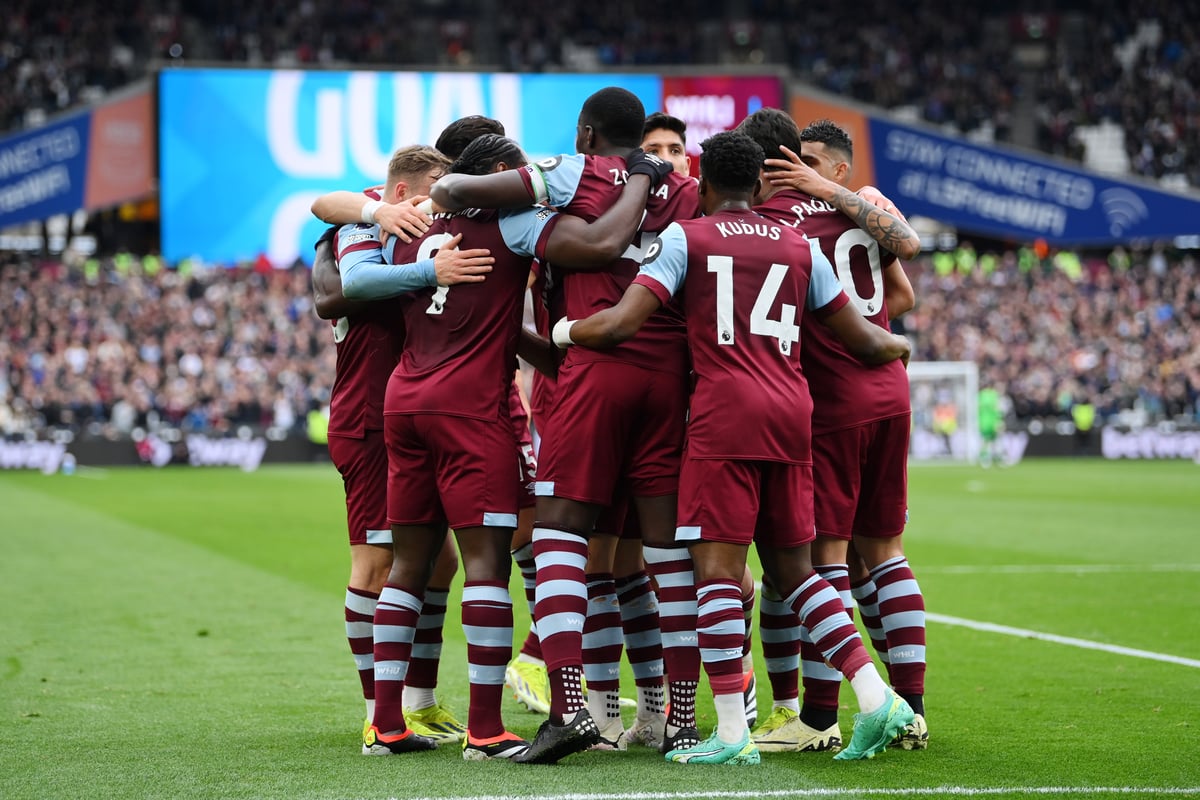
As sport becomes increasingly globalized, internationalization is no longer an ambition — it’s the default strategy for the world’s leading properties. From revenue maximization to fanbase expansion, clubs, leagues, and federations are constantly searching for new frontiers. This global push has created new sponsorship categories, new commercial models, and crucially, new operational requirements.
Nowhere is this more visible than in football, where the drive to expand has gone well beyond league-level initiatives. Individual clubs are no longer waiting for governing bodies to secure international exposure; they are aggressively stepping into foreign markets themselves. From preseason tours to cross-border academies, from merchandising campaigns to marquee player signings from new territories, clubs are positioning themselves as global enterprises rather than domestic teams.
The Rise of FX Partnerships in Football
Behind the glamour of international transfers and sponsorship unveilings lies a practical but critical enabler: foreign exchange (FX) and international payments. Every cross-border deal — whether it’s a sponsorship contract denominated in dollars, a transfer fee agreed in euros, or media rights tied to local currencies — depends on financial systems that can manage volatility and extract value from exchange markets.
In the past, these arrangements were largely handled by banks or overlooked entirely. But today, as transaction sizes grow and financial sophistication becomes a competitive advantage, FX partnerships have become a strategic category in their own right.
In the past 12 months, clubs such as Real Madrid and Manchester City — two giants of the UEFA Champions League ecosystem — have both signed dedicated FX partners. These partnerships are designed not just to manage risk but also to ensure that clubs can optimize international payments, move money faster, and increase efficiency across their global business operations.
Why This Matters for Clubs
The growth of FX partnerships speaks to a broader truth: football clubs are no longer simply sporting institutions, but global companies with multi-market operations. Consider the modern football business model:
- Transfers and player wages involve multi-currency negotiations across continents.
- Commercial partnerships increasingly span markets — from American tech to Asian airlines and Middle Eastern finance groups.
- Broadcast rights are sold in dozens of jurisdictions, each tied to different currencies and payment cycles.
- Fan engagement platforms now monetize audiences from Lagos to Los Angeles, creating new streams of micropayments that require smooth international processing.
In such a landscape, financial efficiency becomes competitive advantage. Clubs that can maximize value from their cross-border deals ultimately retain more resources for football operations.
A Growing Sponsorship Trend
The rise of FX brands in sponsorship is also a reflection of how football continues to create new commercial categories. Betting, airlines, crypto, and now FX/payments — each sector finds football a perfect global platform. What differentiates FX partnerships, however, is that they are not just about visibility. They are operationally embedded in the club’s business model.
For sponsors, this category offers a dual benefit: brand exposure in the world’s most-watched sport, and integration with the real mechanics of global football. For clubs, it ensures that international growth strategies are financially sustainable.
The 365247 Take
At its core, football is still about the game on the pitch. But behind the scenes, it is also about the systems that enable global growth. FX partnerships are no longer a “nice to have” — they are becoming mission critical.
As European giants like Real Madrid and Manchester City embrace dedicated FX deals, it signals the start of a wider shift: clubs realizing that to truly become global, they must optimize not just their branding and fan engagement, but also their financial operations.
For emerging markets, leagues, and clubs aspiring to follow this path, the lesson is clear: globalization in sport is not just about touring in new countries or signing foreign players. It is also about building the infrastructure to handle the financial complexity of being a truly international sports business.
For Brands, Businesses and Services, feature in our posts
IMAGE: Getty Images