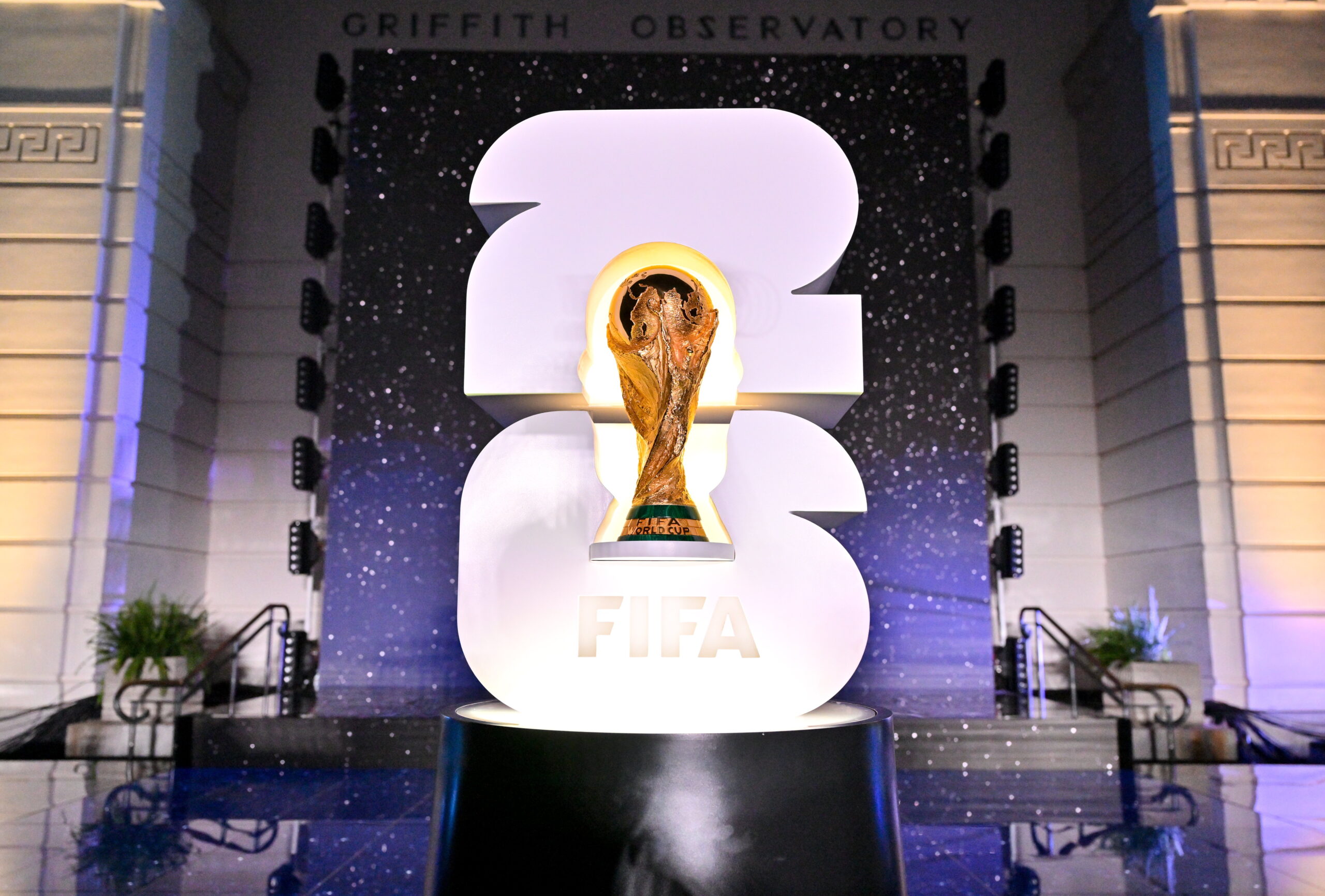
The build-up to the FIFA World Cup 2026 has already entered historic territory, with FIFA confirming that over 1.5 million ticket applications were submitted in the first 24 hours of the Visa Presale Draw.
Applications have arrived from 210 countries, underscoring the truly global reach of the event. Unsurprisingly, demand is being driven by fans from the three host nations—the United States, Mexico, and Canada—but interest is also strong from traditional football powerhouses such as Argentina, Brazil, Colombia, England, Spain, Portugal, and Germany.
“The large number of entries submitted is a testament to the huge amount of excitement sparked across the globe by the FIFA World Cup 26 and the extent to which it’s set to become a watershed in football history,” said Heimo Schirgi, FIFA World Cup 26 Chief Operating Officer.
The Largest World Cup in History
The 2026 edition will be the biggest World Cup ever staged, with 104 matches across 16 host cities in North America. Ticket applications remain open until September 19, 11 a.m. ET, with the random draw determining successful applicants. Notifications will begin on September 29.
Ticketing options include:
- Single-match tickets
- Venue-specific packages
- Team-specific packages
- Hospitality packages (available through FIFA.com/hospitality)
Ticket prices for group-stage matches start at $60, but FIFA has already outlined a dynamic pricing structure for premium matches that could push costs significantly higher. FIFA has also reminded fans that only purchases made via its official site will be valid, with third-party resellers offering no guarantees.
365247 Consulting Insight
The early ticket surge underlines why FIFA 2026 is shaping up to be a watershed commercial event:
- Scale: With 48 teams and 104 matches, this will be the most accessible and lucrative World Cup in history.
- Host markets: North America combines massive stadium infrastructure with commercial sophistication, creating opportunities for record-setting hospitality, sponsorship, and ticketing revenue.
- Global demand: Interest from 210 countries proves that the World Cup remains the most powerful unifying sports property on the planet.
The challenge for FIFA now is not demand—it’s delivery. Pricing models, fan experience, and ticket distribution will be under intense scrutiny, especially given the scale of expectations. The tournament’s ability to balance affordability for fans with maximized revenue for FIFA and its partners will define its long-term legacy.