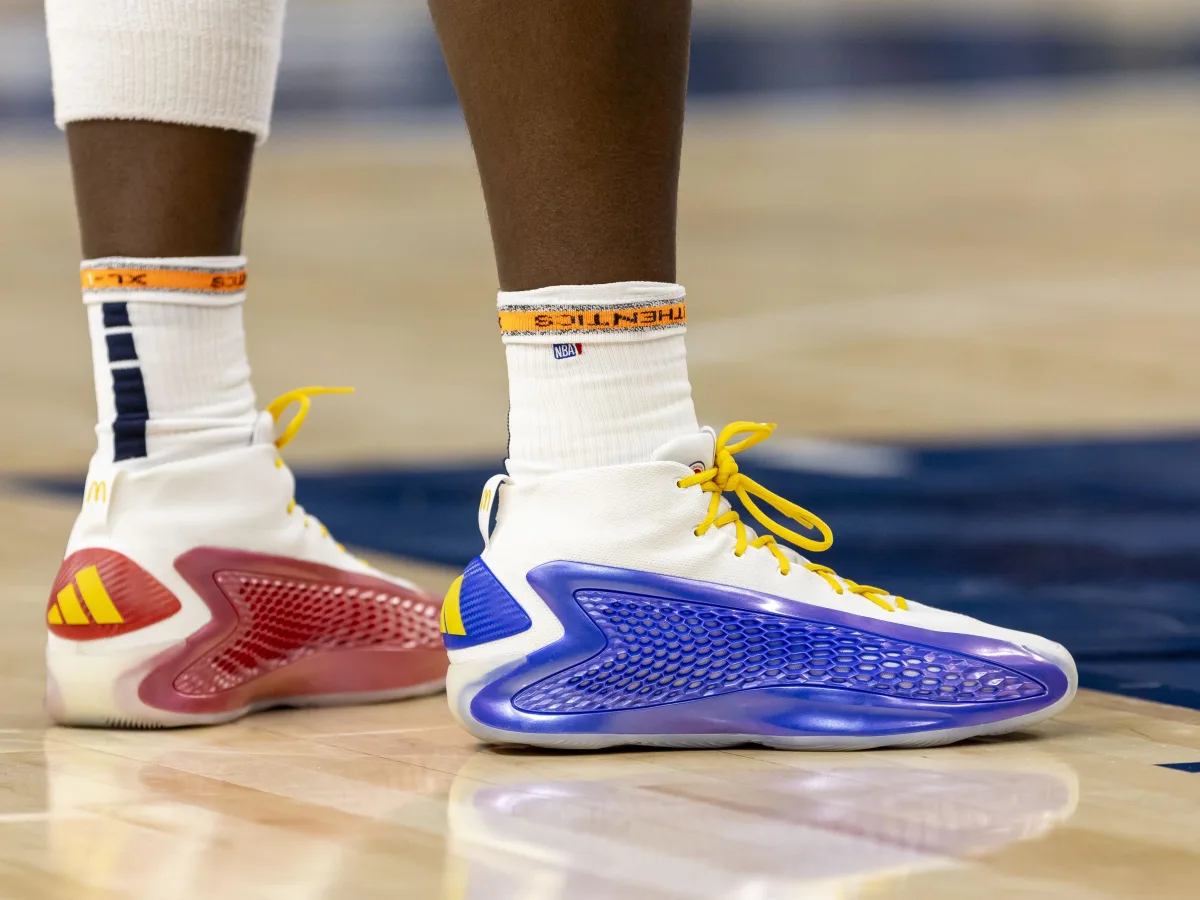
The global sportswear market has always thrived on performance innovation, but the biggest breakthroughs now come from crossover moments—when products transcend the boundaries of a single sport and enter wider cultural relevance.
Traditionally, a signature basketball shoe stayed on the hardwood, a football cleat lived on the turf, and a running spike belonged to the track. But today, the lines are blurring. Athletes are increasingly pulling products across categories—wearing basketball silhouettes in tennis, training in running shoes, or demanding lifestyle versions of performance models.
For brands, this is no longer a marketing experiment. It’s a commercial strategy with global upside.
From Performance to Platform
When a product captures both performance credibility and cultural adoption, it becomes more than a shoe—it becomes a platform. That’s what makes cross-sport adaptations so powerful: they extend a product’s lifecycle, unlock new consumer segments, and reinforce brand equity across multiple sports at once.
We’ve already seen glimpses of this:
- NBA signatures re-engineered for NFL cleats, bridging basketball’s cultural cachet with football’s scale.
- Tennis players adopting basketball shoes for comfort and durability.
- Baseball and athletics experimenting with basketball-inspired silhouettes for spikes and turf shoes.
Each crossover isn’t just about footwear—it’s about brand storytelling. Fans follow athletes across sports, and the gear becomes part of the narrative.
Why This Matters Now
- Athlete behavior leads the market
Stars are naturally experimenting with shoes from other sports in practice, training, and even competition. Brands that recognize and formalize this behavior gain credibility and authenticity. - Lifecycle extension = commercial leverage
Signature products typically peak for 12–18 months before a new version arrives. Cross-sport adaptations keep the design language alive, driving sales while new iterations launch. - North America battleground
Challenging Nike requires more than a hit basketball sneaker. By embedding successful designs into football, baseball, and athletics, rivals like Adidas create continuity across the most lucrative U.S. sports.
The Consulting Angle
For leagues, teams, and brands, the lesson is clear:
- Athlete-first design is more scalable than agency-first marketing. The most successful products are born from how athletes actually use them, not from brand decks.
- Cross-sport leverage multiplies cultural impact. A basketball shoe worn on the football field doesn’t just sell footwear—it positions the brand as versatile, innovative, and athlete-led.
- Future-proofing requires platform thinking. Instead of siloed product lines, brands should think in families—shared DNA that can live across basketball, football, running, lifestyle, and beyond.
The Takeaway
Cross-sport product innovation is no longer a novelty—it’s becoming a playbook. As athletes continue to drive culture and fans demand authenticity, the brands that break down sport silos will define the next decade of sportswear.
For investors, teams, and rights-holders, this is more than a footwear story. It’s a signal that the most valuable IP in sports may not be the logo on the jersey, but the design DNA of the products athletes choose to carry across boundaries.
At 365247 Consultancy, we help brands and clubs decode these shifts, building strategies where products, athletes, and markets intersect. The future isn’t one sport at a time—it’s all sports, all at once. Let’s talk